


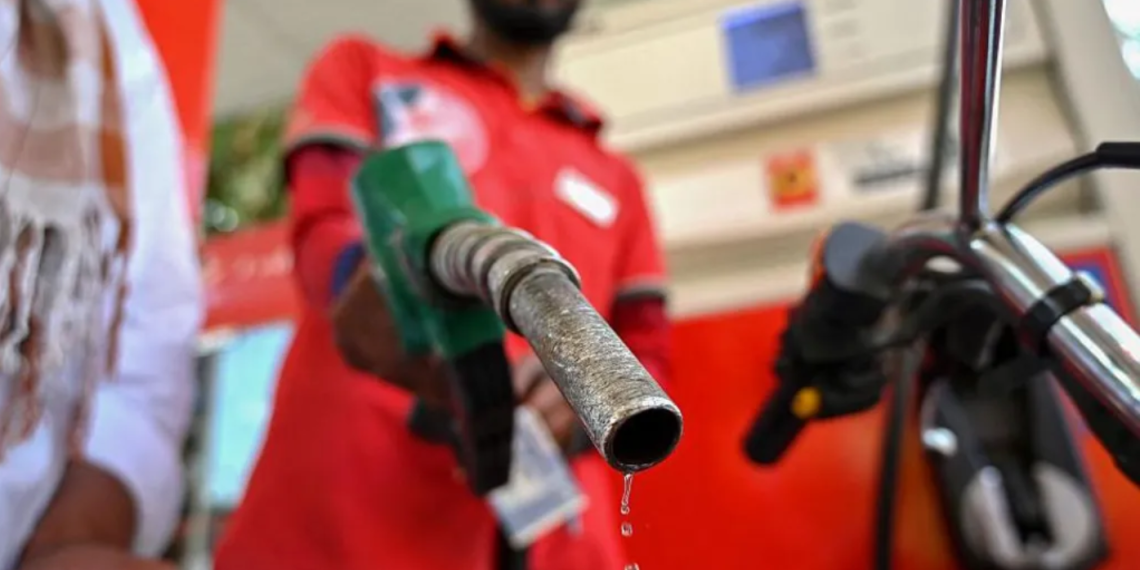
Fuel prices are expected to rise from today, September 1, as increases in global crude oil and refined petroleum prices outweigh the recent appreciation of the cedi.
The Chamber of Oil Marketing Companies (COMAC) projects that petrol prices could increase by up to 4.80%, pushing the price to around GH¢16.39 per litre during the September 1–16 pricing window.
Diesel is also expected to rise by about 2.10% to approximately GH¢17.60 per litre.
However, Liquefied Petroleum Gas (LPG) is expected to provide some relief for consumers, with prices projected to decline by about 0.93% to around GH¢13.73 per kilogramme.
The expected increases come despite a strong performance by the cedi, which appreciated by 3.64% to an average of GH¢11.3697 to the US dollar between August 12 and August 27.
The gains marked the cedi’s strongest performance since June and reversed three consecutive pricing windows of depreciation. Under normal circumstances, a stronger cedi would help reduce the cost of importing petroleum products.
However, sharp increases in international petroleum prices during the period have offset much of that benefit.
International crude oil prices rose by 1.75%, moving from US$90.53 per barrel to US$92.11. Petrol prices on the international market increased by 8.86%, while diesel rose by 5.51% and LPG by 3.31%.
For consumers, the stronger cedi may therefore mean that fuel prices are rising by less than they otherwise would have, rather than falling.
Meanwhile, government has extended a temporary intervention on diesel aimed at cushioning consumers from the full impact of rising international prices.
According to a government source cited by Joy Business, the GH¢2.00 per litre reduction in the regulatory margin on diesel will remain in place during the first pricing window of September.
The intervention was initially expected to end in August after covering two pricing windows. Its extension suggests government remains concerned about the impact of rising diesel prices on transport, businesses and the wider economy.
Without the intervention, diesel prices would have been higher than COMAC’s projected GH¢17.60 per litre.
The National Petroleum Authority (NPA) has also increased the minimum prices at which petroleum products can be sold during the September 1–16 pricing window.
The minimum price for petrol has been set at GH¢14.53 per litre, while diesel has been pegged at GH¢15.60 per litre. The LPG price floor has, however, declined to GH¢10.85 per kilogramme.
With more than 200 oil marketing companies operating across the country, actual pump prices may vary depending on individual companies and their margins.
While some oil marketing companies are expected to adjust their prices from 6am on September 1, others may wait before making changes.
The latest pricing window highlights the continued impact of global petroleum markets on Ghana’s domestic fuel prices.
Although the cedi has strengthened in recent weeks, the increase in global crude and refined petroleum prices has been strong enough to push petrol and diesel prices higher.
For households and businesses, the impact could go beyond the fuel pump, as higher petrol and diesel prices may eventually increase transport and logistics costs, putting further pressure on the prices of goods and services.
For now, motorists are entering September with a stronger cedi but higher fuel prices another reminder that currency gains alone cannot shield Ghana from rising global energy costs.