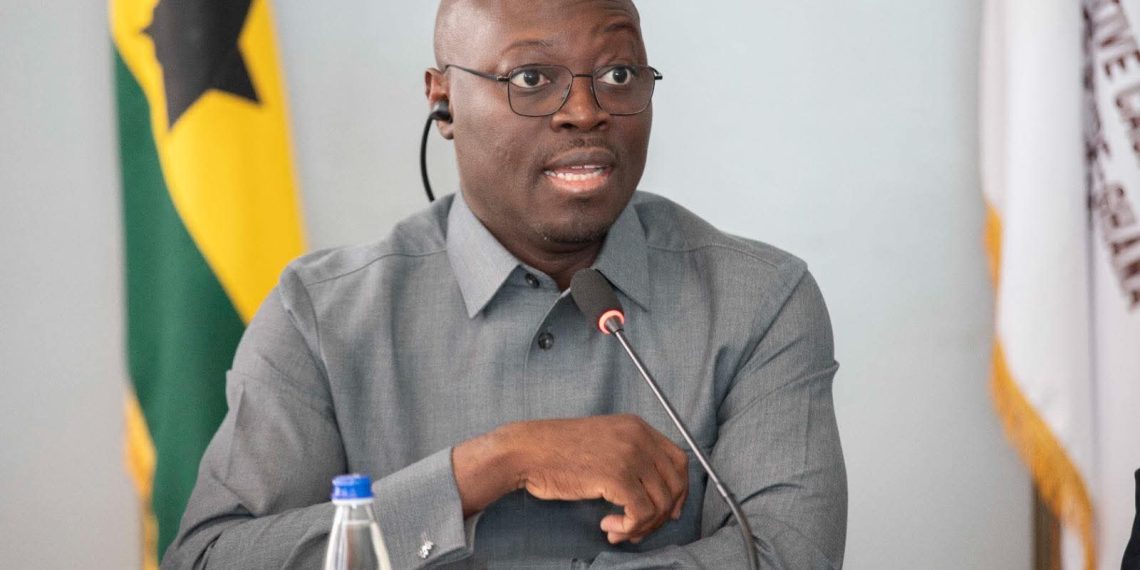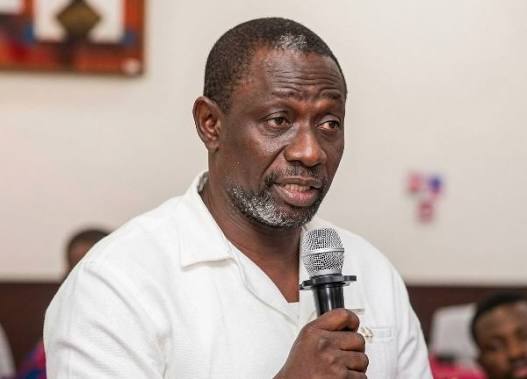


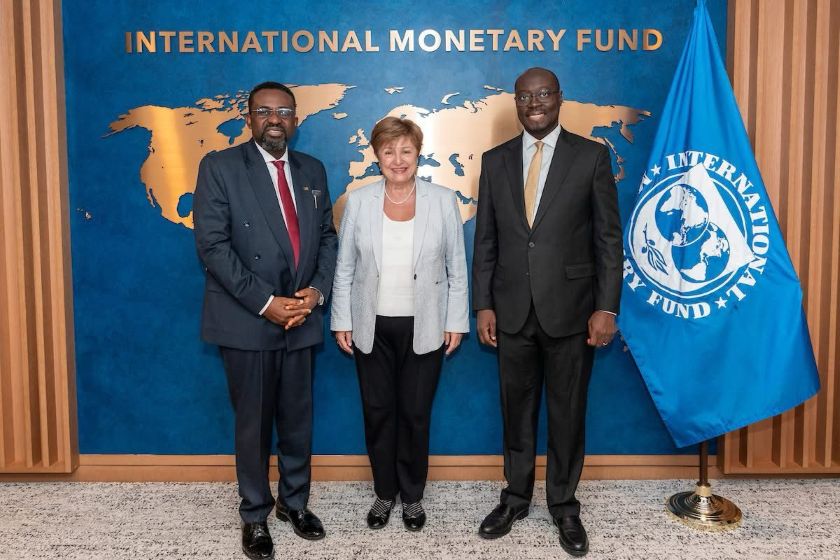
Finance Minister Dr Cassiel Ato Forson is leading Ghana’s delegation to the 2026 Annual Meetings of the International Monetary Fund (IMF) and World Bank Group in Bangkok, Thailand, as the country seeks to consolidate its economic recovery, attract investment and secure sustained international support.
The delegation includes Bank of Ghana Governor Dr Johnson Pandit Asiama, bringing together the country’s key fiscal and monetary policymakers for discussions with global financial institutions, development partners and investors.
Scheduled for October 12 to 18, the meetings are expected to attract more than 15,000 participants from 191 countries, including finance ministers, central bank governors, private-sector representatives and civil society organisations.
Ghana’s participation comes as the country seeks to move beyond the economic crisis that resulted in debt restructuring, high inflation, exchange-rate pressures and restricted access to international capital markets.
With recent improvements in key economic indicators, the government now faces the task of turning stabilisation into sustainable growth, stronger private-sector activity and better economic opportunities for Ghanaians.
Dr Forson is expected to use the meetings to present Ghana’s fiscal recovery programme and reaffirm the government’s commitment to fiscal discipline, improved domestic revenue mobilisation and prudent debt management. He will also need to make the case for continued development support without compromising essential social spending and investment.
Ghana’s experience with sovereign debt restructuring could also shape its contribution to discussions on the financing challenges confronting developing economies. Emerging and low-income countries are estimated to face about US$400 billion in debt payments in 2026, placing further pressure on already constrained public finances.
Having experienced the delays and complications associated with restructuring its own debt, Ghana has an opportunity to advocate for a more efficient and predictable international debt-resolution system. New guidance aimed at improving private creditors’ participation in restructuring negotiations has sought to address some of the challenges encountered by countries such as Ghana and Zambia.
For Dr Forson, the challenge will be to demonstrate that Ghana has learnt from its recent crisis and is putting measures in place to prevent a return to unsustainable borrowing. Such assurances will be important to development partners and investors assessing the credibility of the country’s economic recovery.
Dr Asiama’s participation will complement the Finance Minister’s engagements by highlighting the monetary and financial-sector measures supporting the recovery.
The Bank of Ghana Governor is expected to discuss inflation management, exchange-rate stability, international reserve accumulation, banking-sector resilience and efforts to strengthen the central bank’s balance sheet.
His presence also provides an opportunity for Ghana to demonstrate how fiscal and monetary policies can work together while respecting the separate mandates of the Finance Ministry and the central bank.
Fiscal discipline can ease pressure on government borrowing and interest rates, while credible monetary policy can help contain inflation, protect household purchasing power and improve business confidence. Both are essential to sustaining the gains made during the recovery.
Dr Asiama has previously attributed improvements in Ghana’s international reserves partly to reforms in gold purchasing and export arrangements. He has also outlined measures to strengthen central-bank independence, address balance-sheet challenges and improve oversight of emerging areas such as virtual assets.
These priorities have become increasingly important as global financial uncertainty and fluctuations in energy prices create additional risks for African economies.
For Ghanaian households and businesses, exchange-rate stability has direct consequences for the cost of imported fuel, food, medicines, machinery and industrial inputs. Preserving the cedi’s stability is therefore closely linked to controlling inflation, protecting incomes and creating a more predictable environment for investment.
The joint participation of Dr Forson and Dr Asiama also sends a message about the importance of coordination between fiscal and monetary authorities. Ghana’s recent crisis demonstrated how excessive government borrowing can place pressure on interest rates, weaken the currency and expose the financial sector to additional risks.
At the same time, prolonged tight monetary conditions can make credit more expensive for businesses and slow economic activity. Addressing fiscal imbalances while maintaining monetary stability will therefore be critical to sustaining the recovery.
Beyond immediate financial stability, Ghana will be seeking investment and partnerships to support development in energy, transport, agriculture, digital infrastructure, manufacturing and climate resilience.
The World Bank Group and its private-sector arm, the International Finance Corporation, could help mobilise long-term financing, reduce investment risks and attract private capital into these sectors.
The government will need to demonstrate that fiscal consolidation can be achieved alongside productive investment, job creation and efforts to expand the country’s revenue base. A recovery that improves economic indicators without generating sufficient employment and business opportunities would leave many Ghanaians yet to feel its benefits.
The meetings are taking place against a difficult global economic backdrop, with high energy and food prices, geopolitical tensions, elevated public debt and tighter financing conditions weighing on many countries. Discussions are expected to cover global growth, sovereign debt, geopolitical fragmentation, artificial intelligence and the future of the international financial system.
These pressures make it even more important for Ghana to maintain credible domestic policies while building stronger partnerships to withstand external shocks.
The success of the delegation’s visit will ultimately depend on whether its engagements translate into meaningful development financing, stronger investor confidence, improved access to capital and partnerships that support long-term economic transformation.
Ghana arrives in Bangkok with the lessons of a painful economic crisis and an opportunity to demonstrate that its recovery is moving in a more sustainable direction. Under Dr Forson’s fiscal leadership and Dr Asiama’s monetary stewardship, the country will be seeking support to build an economy better equipped to withstand future shocks.
The key question is whether the progress made in stabilising the economy can now translate into lower financing costs, stronger investment, sustainable debt and better opportunities for households and businesses across Ghana.