

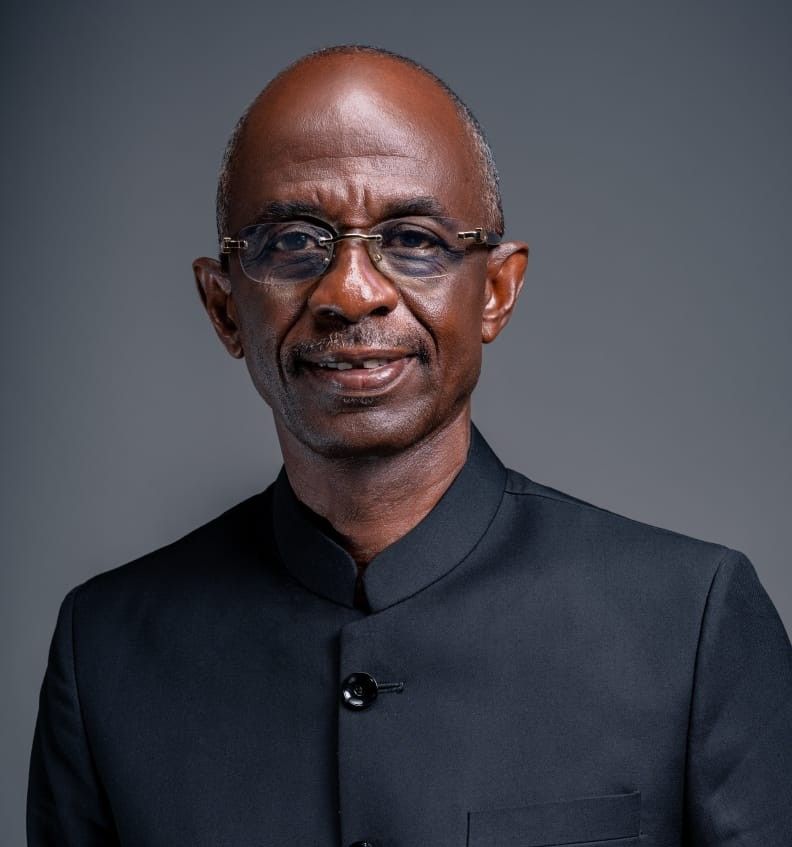
The high cost of contesting parliamentary elections in Ghana is contributing to bribery and corruption, National Chairman of the governing National Democratic Congress (NDC), Johnson Asiedu Nketia, has said.
According to him, the money spent by many aspirants from party primaries through to the general election often exceeds what they can legally earn as Members of Parliament over a four-year term.
Mr Asiedu Nketia, popularly known as General Mosquito, made the remarks on Onua TV’s Maakye programme on Tuesday, September 1, 2026, while reacting to the Supreme Court’s recent ruling on the phasing out of the delegates system in party primaries.
He argued that the rising cost of seeking political office was pushing some politicians to find alternative ways of recovering the money they invested in winning elections.
“It has increased the amount spent in contesting for any position one wants to contest. Research has even shown that the amount one has to spend in an attempt to go to Parliament, from primaries to the general elections, when compared with what he will gain for all the four years in Parliament, it means the cost is more than the gains,” he said in Twi.
To illustrate his point, the NDC chairman gave a hypothetical example of an aspiring MP who spends GH¢1 million to secure a parliamentary seat but earns only GH¢400,000 over four years.
“Where are you going to get the GH¢600,000 balance?” he asked.
Mr Asiedu Nketia argued that if an MP genuinely made a financial loss during their first term, there would be little reason to seek re-election.
“If that cost is genuine, after one term, you shouldn’t have gone again,” he said.
However, he noted that many politicians continue to contest elections despite the enormous financial cost, raising questions about how they are able to recover the money spent.
“But rather, they go again. It means they get the money somewhere to pay off, and that’s why many people believe it is the root of bribery and corruption,” he added.
The comments come amid growing concerns over the increasing cost of political campaigns and the influence of money in Ghana’s electoral process.