

Ghana’s Gold Board (GoldBod) is stepping up efforts to improve traceability in the country’s gold trade by profiling every licensed gold buyer, while changes to the domestic pricing system have reduced the discount on locally traded gold by more than 10%.
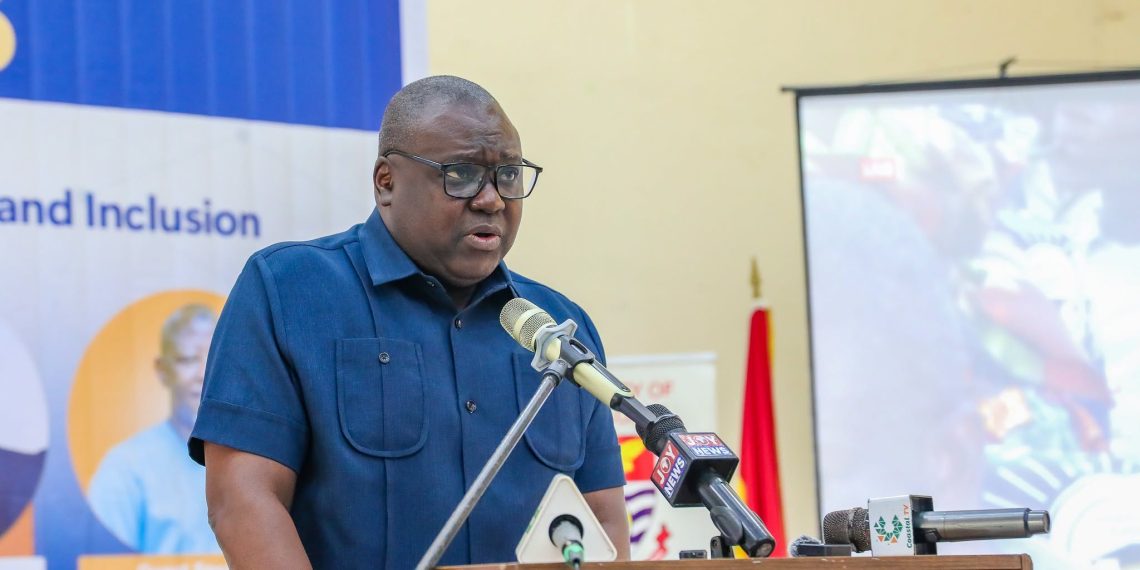
GoldBod Chief Executive Officer, Sammy Gyamfi, said the profiling exercise is helping the regulator gain a clearer understanding of where gold bought by licensed operators originates and how it moves through the formal market.
“We are profiling all persons with a licence to buy gold in Ghana, and it is helping us know where all the gold buys are coming from,” he said during an X Spaces discussion with Austine (@obiMpenaAustine).
The exercise forms part of wider reforms aimed at addressing longstanding problems in Ghana’s gold sector, including illegal mining, smuggling and weak visibility across the gold supply chain.
GoldBod’s official licensing system covers operators involved in gold aggregation, buying, refining, transportation and jewellery. However, officials say having a licence alone is not enough to guarantee that gold entering the formal market has been legitimately sourced.
The regulator has therefore introduced measures requiring licensed buyers to use official receipts, while field inspectors have been deployed to monitor compliance. GoldBod’s refinery licensing requirements also include responsible sourcing, due diligence, Know Your Customer procedures and supplier verification.
Alongside the traceability drive, GoldBod has also moved to improve the price received for Ghanaian gold.
Mr Gyamfi said the Board has reduced the discount between the price at which locally produced gold is traded and international market prices by more than 10%, allowing producers and the Ghanaian economy to retain more value from the country’s gold resources.
“The idea is to make sure that the gold that is produced in Ghana is properly priced and that we are able to retain the value of that gold within Ghana,” he said.
The comments follow the introduction of a new official gold pricing system on July 1. The new system is based on the London Bullion Market Association’s AM and PM benchmark prices, replacing the continuous live-price publication previously used in Ghana.
GoldBod has also introduced an approved purchasing threshold for licensed buyers. Under the new framework, buyers are restricted from purchasing gold above the official GoldBod price, together with approved bonuses and specified commissions.
Violations of the pricing rules could result in the suspension or revocation of licences and, in some cases, prosecution.
The pricing changes are aimed at striking a balance between offering miners competitive prices and maintaining discipline in the formal gold market.
If formal buyers offer significantly lower prices than informal traders, producers may have an incentive to sell outside the regulated system. At the same time, uncontrolled competition among buyers could push domestic prices beyond levels that are sustainable within the formal trading structure.
GoldBod is also seeking to increase the amount of value Ghana retains after gold is purchased.
Mr Gyamfi disclosed that 7.10 metric tonnes of gold acquired by GoldBod is currently being refined in Ghana. He said this would allow the country to retain refining fees that might otherwise have been earned in foreign markets, including the United Arab Emirates.
He also pointed to the accreditation secured by Gold Coast Refinery from the London Bullion Market Association as an important development in Ghana’s efforts to expand its position further along the gold value chain.
The broader objective is to move Ghana beyond simply producing and exporting gold by retaining more of the economic activity associated with refining and international marketing.
The government has also reached an agreement with large-scale mining companies for GoldBod to purchase 30% of their gold output locally from July 1.
Under the arrangement, the gold will be purchased in doré form at a 0.55% discount, refined locally and ultimately used to support Ghana’s reserve-accumulation efforts.
Ghana is one of Africa’s leading gold producers, but high production volumes do not necessarily translate into maximum economic value for the country.
GoldBod’s reforms are therefore targeting three key areas: the price at which gold is bought, the ability to trace where it comes from, and the amount of downstream processing that takes place in Ghana.
The success of the reforms, however, will depend on whether the reported gains can be measured over time.
For pricing, the market will need clear data showing the previous discount, the new pricing spreads, the volume of gold traded through licensed channels and the additional value retained in Ghana.
Traceability will face an equally important test. Profiling licensed buyers is a significant first step, but the stronger measure will be whether individual gold consignments can be tracked from the miner through the buyer, aggregator and refinery to the final export.
Ultimately, the goal is to ensure that regulators and international buyers can establish where Ghanaian gold came from, who bought it, what price was paid and how it moved through the supply chain.
GoldBod’s reforms therefore go beyond simply centralising gold trading. They represent an attempt to make Ghana’s gold economy more transparent, more competitive and more valuable to the country itself.
The real test now is whether the new system can consistently connect every kilogramme of gold entering the formal market to its source while ensuring that a greater share of the wealth generated from Ghana’s gold remains within the domestic economy.