

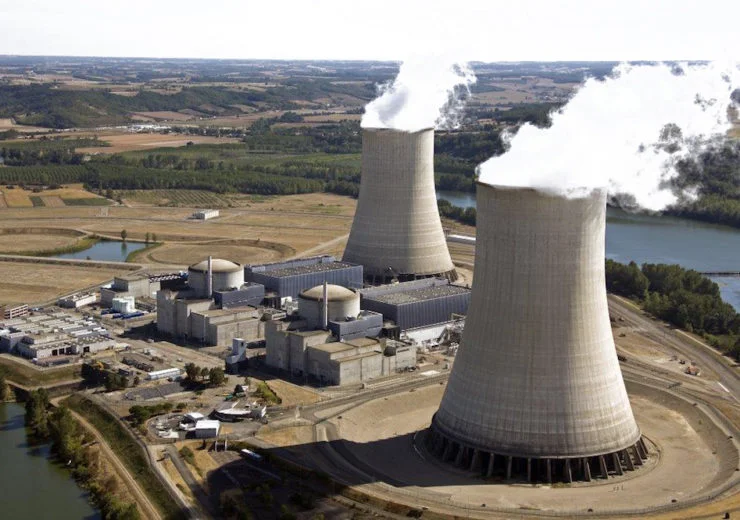
Ghana is stepping up its push to introduce nuclear power into the country’s future energy mix, as the government looks for reliable and lower-carbon sources of electricity to support industrial growth.
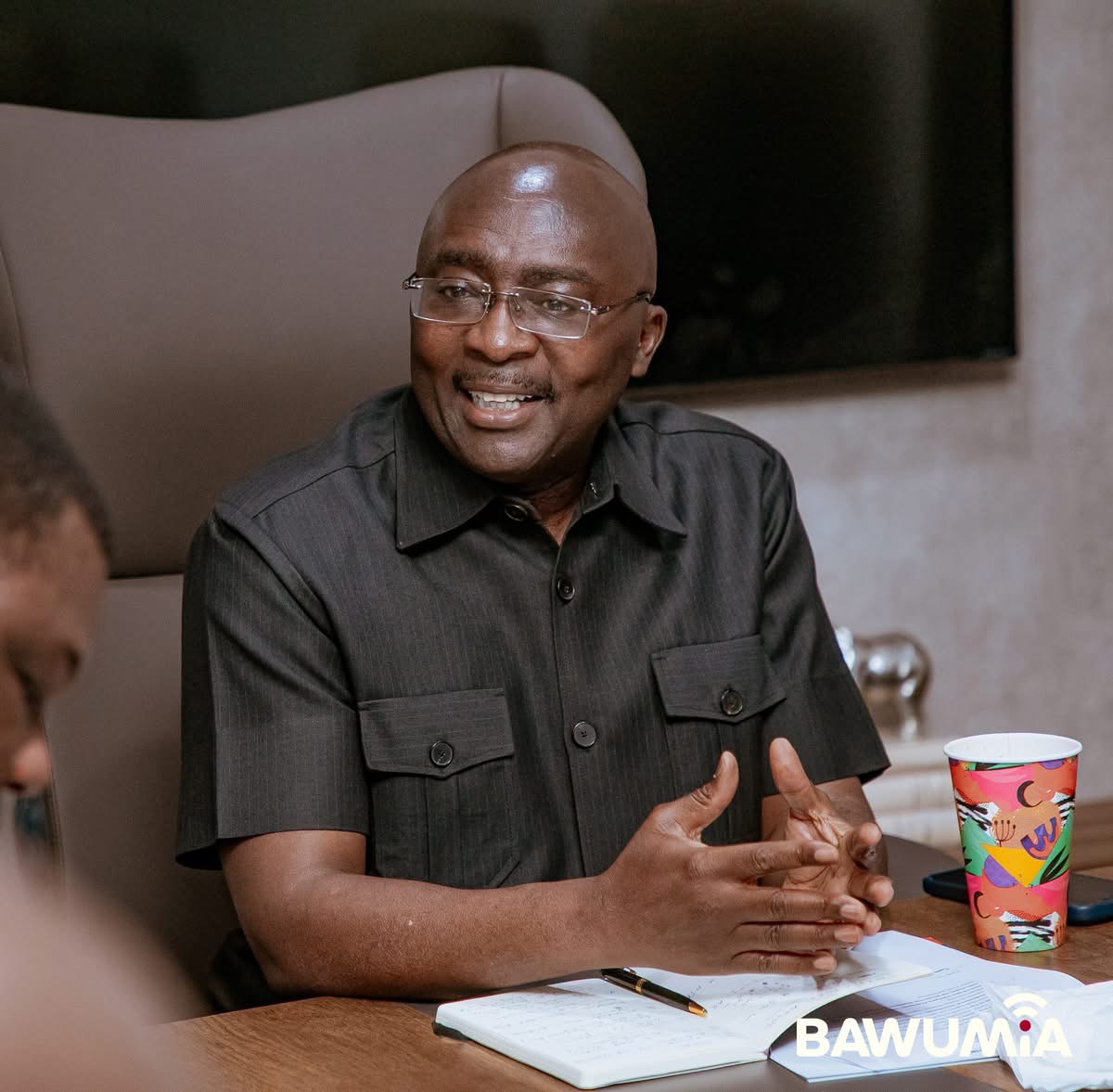
Deputy Energy and Green Transition Minister Richard Gyan-Mensah has backed calls for Ghana and other African countries to take nuclear energy more seriously, describing it as an important part of the continent’s long-term energy future.
The renewed focus comes at a time when electricity demand is expected to rise significantly across Africa, driven by industrialisation, population growth, urbanisation and the expansion of digital infrastructure.
For Ghana, the need for dependable electricity is becoming even more important as the country seeks to expand manufacturing, mining, data centres, electric transport and other energy-intensive sectors.
Gyan-Mensah has previously described nuclear power as a “strategic imperative” for Ghana, arguing that it could provide dependable baseload electricity, strengthen energy security and help reduce emissions.
Unlike solar and wind, which depend on weather conditions, nuclear plants can generate electricity continuously. This makes them potentially useful in a power system that is expected to incorporate more renewable energy while still maintaining a stable supply for businesses and households.
Ghana’s interest in nuclear power is not new. The country has been exploring the technology for several years and has been working with international partners to establish the regulatory, institutional and technical foundations needed for a nuclear programme.
One of the key proposals under consideration is the establishment of a dedicated Ghana Nuclear Power Company, which would play a central role in developing the country’s first nuclear power project.
International cooperation is also forming part of the process. Russia’s Ambassador to Ghana, Andrei Ordash, recently said a memorandum of understanding between the Ghana Atomic Energy Commission and Russia’s Rosatom had created a basis for possible cooperation, including the training of Ghanaian technical personnel.
Ghana’s nuclear ambitions are also emerging at a time of renewed global interest in nuclear energy.
According to the World Nuclear Association, global nuclear electricity generation reached a record 2,667 terawatt-hours in 2024. Countries around the world are increasingly looking at nuclear power as they try to balance rising electricity demand with efforts to reduce carbon emissions.
Ghana has also endorsed an international declaration calling for a tripling of global nuclear energy capacity, signalling its support for a larger role for nuclear power in the future energy system.
Across Africa, the conversation is becoming increasingly important because of the continent’s persistent electricity supply gap.
South Africa remains the only African country currently operating a commercial nuclear power station, while Egypt is constructing a nuclear plant. Other countries, including Ghana, Kenya, Nigeria, Rwanda and Morocco, are at different stages of planning, feasibility studies and institutional development.
However, nuclear power comes with significant challenges.
The biggest hurdle is likely to be financing. Conventional nuclear plants require billions of dollars in upfront investment and can take many years to plan and construct. Projects in other parts of the world have also faced cost overruns and construction delays.
For Ghana, the question will therefore not simply be whether the country can build a nuclear plant, but whether it can finance and operate one without placing excessive pressure on public finances or pushing electricity costs beyond what consumers and businesses can afford.
The Institute of Economic Affairs has previously highlighted financing, governance, regulation, public confidence and institutional preparedness as some of the key issues Ghana must address.
The national grid will also have to be strengthened. A conventional nuclear plant can add a very large amount of generation capacity at a single location, meaning Ghana’s transmission network must be capable of absorbing and distributing the power while maintaining system stability.
Small modular reactors are also attracting attention as a possible alternative. Their proponents argue that they could offer more flexible and scalable nuclear generation than traditional large reactors, although commercial deployment of the technology remains limited.
Safety, security and radioactive waste management will also be critical. Ghana would need a strong and independent regulatory system, effective emergency preparedness and clear long-term arrangements for nuclear waste.
This means Ghana’s nuclear ambitions go far beyond simply building a power plant. The programme would require decades of investment in technical skills, regulation, infrastructure, financing and public education.
Still, the government’s growing support suggests that nuclear power is gradually moving from a long-term possibility towards a more central part of Ghana’s energy planning.
The attraction is clear: Ghana’s economy will require significantly more reliable electricity if the country is to industrialise and remain competitive, while relying on a single source of generation would expose the power system to significant risks.
The real test, however, will be whether Ghana can turn its nuclear ambition into a project that is safe, financially sustainable, technically sound and capable of delivering affordable electricity.