

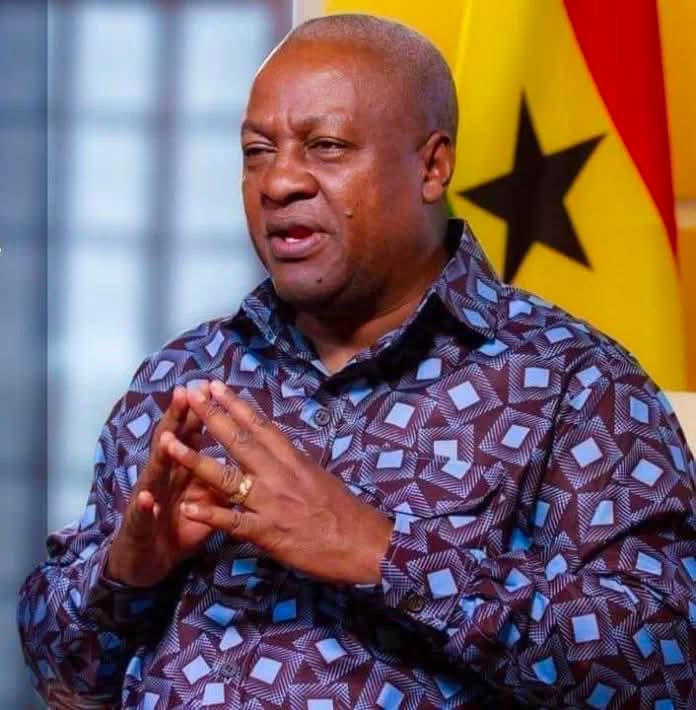
Investigative journalist Manasseh Azure Awuni has issued a strongly worded open letter to President John Dramani Mahama, cautioning him against what he describes as a coordinated campaign of blackmail and sabotage over the government’s decision to terminate the controversial Youth Employment Agency (YEA)-Zoomlion contract.
According to Manasseh, the President’s decision to end the nearly two-decade-old arrangement was one of the boldest anti-corruption actions taken by any Ghanaian leader in recent years. However, he warned that the move has triggered resistance from powerful interests determined to reverse the decision through misinformation, political pressure and media campaigns.
He alleged that some government appointees, including ministers and Metropolitan, Municipal and District Chief Executives (MMDCEs), could become part of the effort to frustrate the administration’s sanitation reforms if firm action is not taken.
Ending what he calls a fraudulent arrangement
Manasseh argued that the YEA-Zoomlion contract, which had existed for about 19 years, allowed billions of cedis of public funds to be paid out while sweepers under the programme continued to receive poor wages despite working under difficult conditions.
He praised President Mahama for cancelling the contract, saying many Ghanaians had long believed no political leader would ever touch what had become a “cash cow.”
The journalist noted that throughout his investigations over the years, politicians from both the National Democratic Congress (NDC) and the New Patriotic Party (NPP) privately expressed dissatisfaction with the contract, although few were prepared to publicly challenge it.
Flooding narrative is “false propaganda”
A major concern raised in the letter is what Manasseh describes as a growing campaign to blame the recent floods that claimed lives on the cancellation of the YEA-Zoomlion contract.
He specifically criticised claims that ending the agreement left Ghana without sanitation workers, resulting in overflowing refuse and blocked drains.
According to him, such assertions are misleading because the cancelled agreement covered only the supervision of market and public place sweepers under the YEA programme.
He explained that Zoomlion continues to hold several other sanitation contracts with assemblies across the country, including contracts for transporting refuse from collection points to final disposal sites, managing landfill sites, operating transfer stations and carrying out recycling activities.
For that reason, he argued that heaps of uncollected refuse cannot automatically be blamed on the cancellation of the YEA contract.
Minister’s comments questioned
Manasseh also took issue with comments attributed to Local Government Minister Ahmed Ibrahim during a recent sanitation programme.
The minister reportedly suggested that assemblies had failed to recruit sweepers after the termination of the Zoomlion contract, contributing to deteriorating sanitation.
Manasseh rejected the statement, insisting assemblies had long employed their own sweepers even before the contract was cancelled.
He cited examples such as the Kumasi Metropolitan Assembly, where market cleaning had previously been carried out directly by assembly-employed workers because of dissatisfaction with Zoomlion’s performance.
Media influence and past investigations
The investigative journalist devoted a significant portion of his letter to recounting his previous investigations into Zoomlion and the Jospong Group, claiming the company possesses enormous influence within Ghana’s media landscape.
He recalled that his 2017 “Robbing the Assemblies” documentary exposed what he described as irregular sanitation contracts worth millions of dollars. Although the investigation eventually contributed to the cancellation of a $74 million contract involving Zoomlion sister companies, he said sections of the media and even the Ghana Journalists Association criticised him instead of supporting the investigation.
He further claimed that his award-winning 2023 documentary on the COVID-19 fumigation programme failed to secure airtime on mainstream media because some media organisations had commercial relationships with Zoomlion.
According to Manasseh, these experiences demonstrate how difficult it is to publicly scrutinise sanitation contracts involving the company.
Existing contracts must be scrutinised
While applauding the cancellation of the YEA agreement, Manasseh stressed that several other sanitation contracts involving Zoomlion remain active.
He alleged that in many districts, waste containers continue to remain full for extended periods because refuse is not collected promptly despite payments being made under existing sanitation agreements.
He warned that unless these contracts are properly supervised, the public may wrongly blame government policy rather than poor contract execution.
He further argued that many assemblies could perform better if they invested directly in waste collection equipment instead of relying on private contractors.
Quoting an unnamed Municipal Chief Executive, Manasseh claimed one assembly had resorted to using its own tricycles to supplement waste collection because refuse containers were reportedly being emptied only once every two weeks.
Recommendations to President Mahama
To prevent what he called deliberate attempts to undermine the government’s sanitation reforms, Manasseh urged President Mahama to clearly explain to Ghanaians which sanitation contracts have been cancelled, which remain operational and who is responsible for delivering each service.
He also called on the President to hold MMDCEs accountable if they fail to implement government policy or collude with contractors against the public interest.
In addition, he appealed for the revival of sanitary inspectors within local assemblies, arguing that the old enforcement system helped maintain cleaner communities before those responsibilities were transferred to private contractors.
According to him, restoring sanitation inspectors and empowering assemblies with their own equipment would significantly improve waste management while reducing dependence on external contractors.
Manasseh concluded by urging President Mahama not to allow pressure, misinformation or political lobbying to force the government into reviving what he described as “dubious deals.”
He maintained that poor sanitation remains a serious public health concern and insisted that lasting reforms, transparency and accountability not political compromise are the keys to improving Ghana’s sanitation sector.