

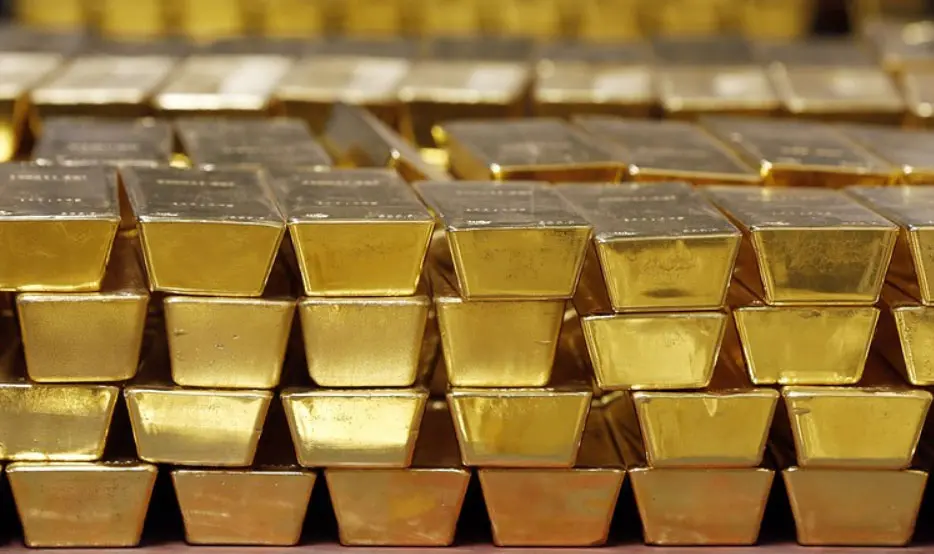
Ghana has reached a landmark agreement with large-scale mining companies to sell 30 percent of their gold production to the Ghana Gold Board (GoldBod) beginning July 1, 2026, marking a major step in the country’s efforts to strengthen foreign exchange reserves and increase value addition within the gold sector.
The arrangement forms part of government’s broader strategy to retain a greater share of Ghana’s gold output within the domestic economy, support reserve accumulation, and boost local refining capacity.
The agreement follows months of negotiations after government proposed increasing the portion of gold sold into the national purchase programme from 20 percent to 30 percent. Earlier reports indicated that key commercial terms were still being discussed, but the latest development signals that both government and mining companies have now reached common ground ahead of implementation.
As Africa’s leading gold producer, Ghana sees the initiative as a way to leverage its most valuable export commodity to support currency stability and strengthen the country’s external financial position.
According to provisional industry figures, Ghana produced a record six million ounces of gold in 2025, with large-scale mining operations contributing nearly half of that total. By securing access to 30 percent of this output, authorities expect to significantly expand the country’s gold reserves and enhance foreign exchange buffers.
The policy also aligns with a growing global trend of central banks increasing gold holdings as protection against currency volatility, geopolitical uncertainty and fluctuations in international financial markets.
For years, concerns over smuggling, foreign exchange leakages and limited local processing have reduced the full economic benefits Ghana derives from its gold resources. Government believes the new arrangement will help address some of these challenges by keeping more gold within the formal financial system.
The initiative complements ongoing reforms targeting the artisanal and small-scale mining sector, where authorities have introduced measures to channel more gold into official trade networks and reduce illegal exports.
GoldBod is expected to play a central role in the programme by coordinating purchases, improving traceability and ensuring that a greater share of the value generated from gold remains within Ghana.
Industry observers note that while the policy could strengthen macroeconomic stability, its success will depend largely on implementation. Key issues such as pricing mechanisms, payment arrangements, refining processes and the treatment of existing export contracts will be closely monitored by both investors and mining companies.
Large-scale mining firms operate under complex international financing and supply agreements, making transparency and predictability essential for maintaining investor confidence.
Analysts argue that if the programme is managed efficiently, it could become an important tool for reserve accumulation, support the cedi and stimulate growth in local refining and gold-related industries. However, they caution that administrative delays or commercially unattractive terms could create uncertainty within the sector.
Beyond reserve-building, government hopes the initiative will help develop a stronger domestic gold value chain. Expanded refining capacity could create jobs, enhance technical expertise and improve Ghana’s ability to meet international standards for responsible sourcing and traceability.
The July 1 rollout will therefore serve as a key test of Ghana’s evolving gold strategy. Success could position the country as a model for leveraging mineral wealth to support economic stability and industrial development, while challenges could raise concerns about the effectiveness of a more interventionist approach to managing the mining sector.