

Ghana is advancing plans for a major rail freight corridor stretching about 1,012 kilometres from Takoradi Port to Hamile, in what officials describe as a long-term strategy to strengthen the country’s role as a logistics hub for West Africa’s landlocked economies.
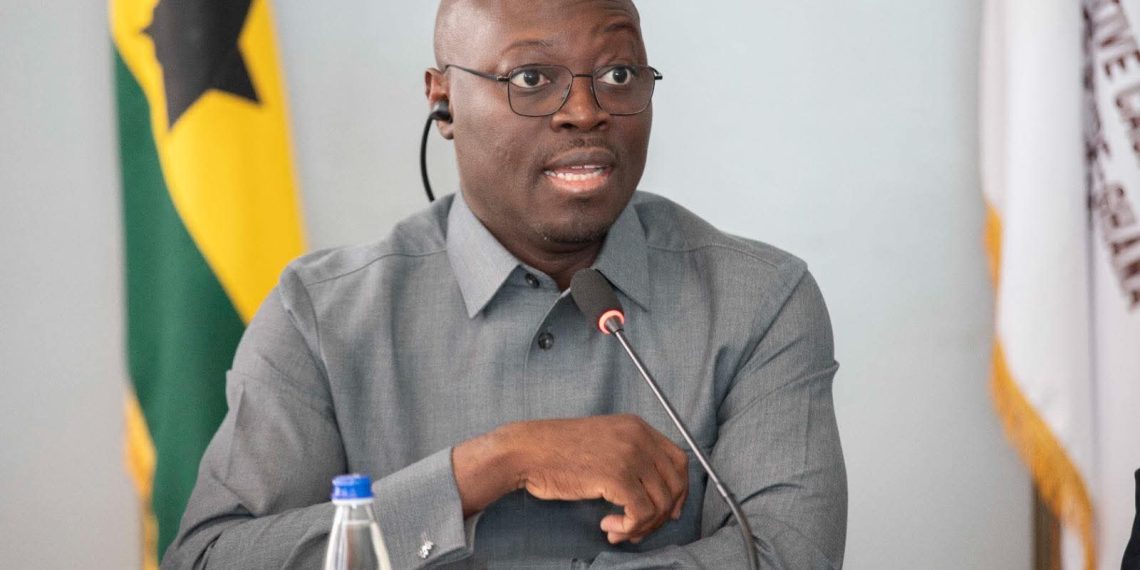
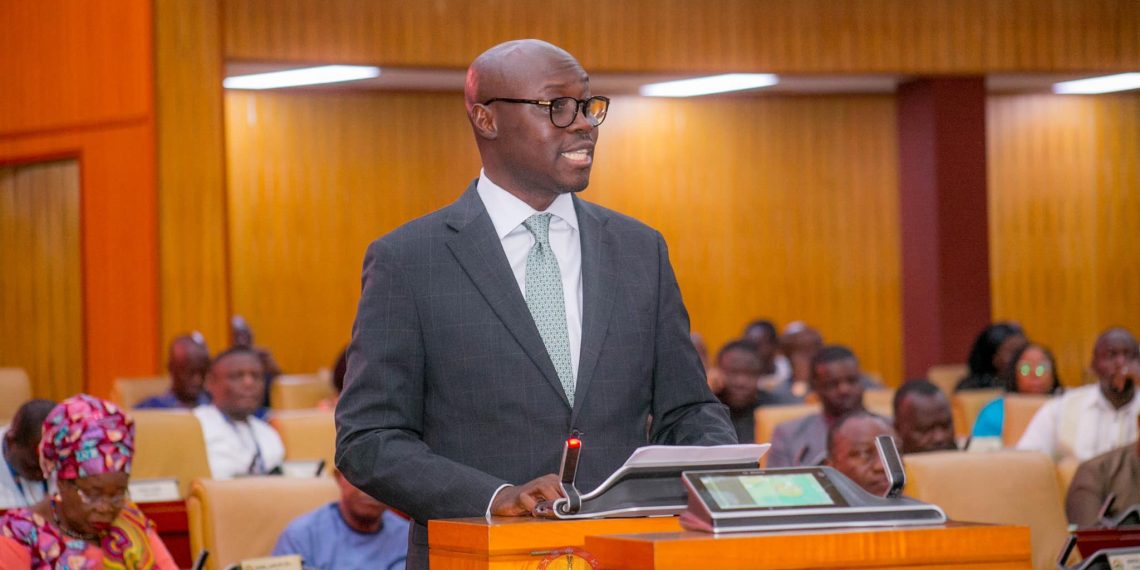
Finance Minister Dr. Cassiel Ato Forson says the proposed railway is expected to create a dedicated cargo route linking the western port city of Takoradi to Ghana’s northern border, improving access for neighbouring countries such as Burkina Faso, Mali and other Sahelian states that rely on regional transit routes for imports and exports.
The project forms part of a broader policy shift aimed at reducing Ghana’s heavy dependence on road transport for freight movement. Government argues that the current system, which relies largely on trucks, has contributed to rapid road deterioration, rising maintenance costs and increased pressure on national infrastructure.
By shifting bulk cargo from road to rail, authorities believe Ghana can reduce logistics costs, ease congestion on highways, protect road infrastructure and improve the efficiency of goods movement across the country.
Ghana currently handles an estimated 3.2 million metric tonnes of transit cargo annually for Sahelian countries. However, competition for this trade is increasing, with ports in Côte d’Ivoire, Togo, Benin and Senegal all investing in infrastructure to position themselves as preferred gateways to landlocked markets.
Officials believe a modern rail corridor could strengthen Ghana’s competitiveness by offering a faster and more reliable transport option for long-distance cargo. It is also expected to enhance the strategic importance of Takoradi Port, which has traditionally been associated with oil and gas logistics, mineral exports and western corridor trade.
If completed, the railway could unlock wider economic opportunities along its route, including warehousing, inland container depots, logistics hubs, customs support services and light industrial zones. Communities along the corridor are also expected to benefit from jobs during construction and from long-term operations and maintenance activities.
The project is also aligned with the African Continental Free Trade Area (AfCFTA), which places strong emphasis on physical connectivity as a key driver of regional trade. While trade agreements reduce tariffs on paper, efficient transport systems remain critical to ensuring goods can move quickly and affordably across borders.
Across Africa, governments are increasingly recognising that high logistics costs can undermine competitiveness just as much as tariffs. Poor transport networks, delays at borders and expensive freight systems continue to make African goods less competitive in regional and global markets.
For Ghana, the Takoradi–Hamile rail line is expected to address some of these challenges by offering a more efficient alternative for bulk freight movement, while also preserving roads for passenger traffic and shorter-haul distribution.
The government also plans stricter enforcement against overloaded trucks, which officials say are a major cause of premature road damage. Heavy freight vehicles have long been linked to the rapid deterioration of highways, increasing maintenance costs and safety risks.
However, experts say the success of the project will depend on far more than its announcement. Large-scale rail infrastructure requires strong financing structures, effective land acquisition processes, engineering capacity, and seamless coordination between ports, rail operators and border agencies.
Discussions are reportedly ongoing with regional partners, including Sahelian governments, on financing models and operational frameworks. Analysts note that the corridor will only be commercially viable if it is well integrated with customs systems, inland logistics hubs and efficient border operations.
Pricing will also be a key factor. Rail freight must be competitive enough to attract cargo away from road transport, balancing cost, speed, reliability and ease of use for importers and exporters.
The proposed timeline of three to five years will require strong coordination across multiple institutions, including the Ministry of Finance, Ministry of Transport, Ghana Railway Development Authority, port authorities and private sector investors. Ghana’s past experience with large infrastructure projects highlights the importance of stable funding and disciplined execution to avoid delays.
Despite the challenges, the project has been described as a potential game-changer for Ghana’s transport and trade landscape. If successfully delivered, it could reposition the country as a stronger gateway to the Sahel, support regional integration under AfCFTA and reshape how cargo moves across West Africa.
For now, the rail corridor remains at the planning and development stage, but expectations are high that it could become one of Ghana’s most significant infrastructure projects in decades—provided it moves from vision to execution.