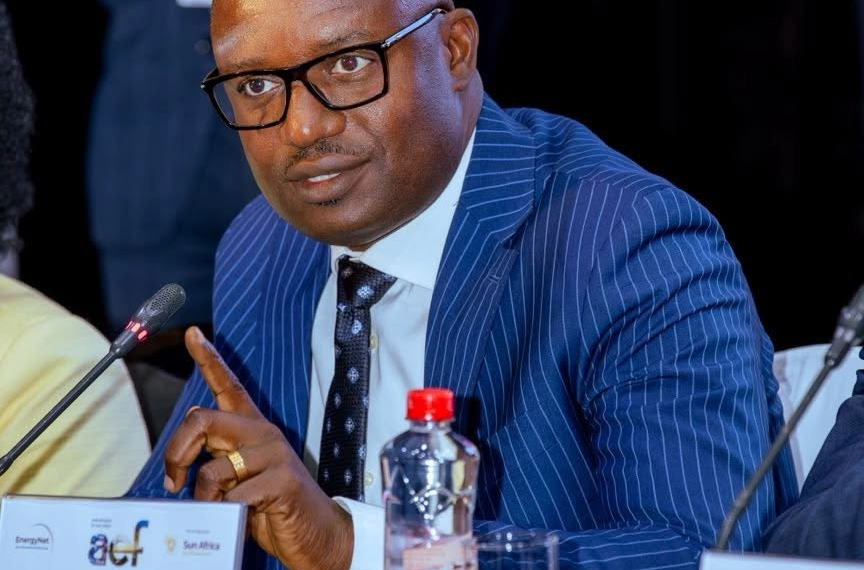
Ghana’s Minister for Energy and Green Transition, John Abdulai Jinapor, has called on African countries to pursue an energy transition that reflects the continent’s unique development realities, stressing that climate action must go hand in hand with economic growth, industrialisation and job creation.
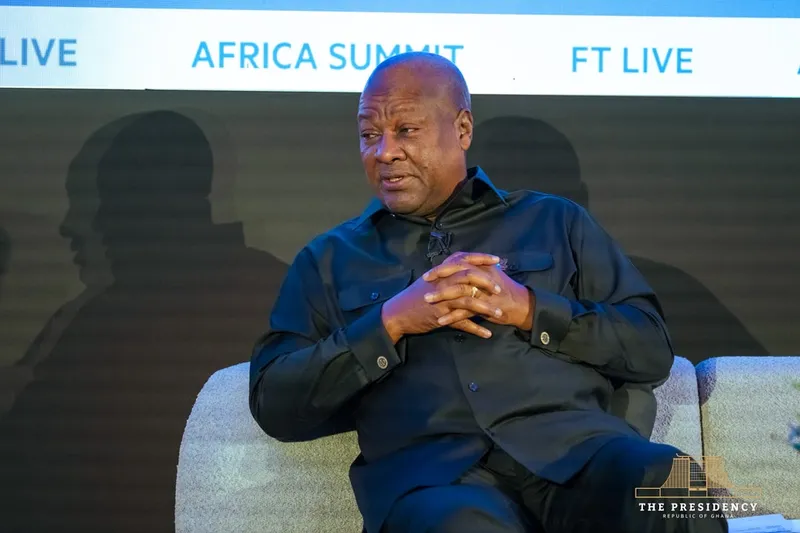
Speaking at the Africa Energy Forum during a panel discussion on “What Does a Just Energy Transition Mean for Africa?”, Mr Jinapor argued that Africa’s shift towards cleaner energy cannot simply mirror models adopted elsewhere. Instead, he said, it must address the continent’s pressing challenges, including energy poverty, limited industrialisation and inadequate access to reliable electricity.
“Africa must pursue a just energy transition on its own terms, one that expands access to reliable energy, supports industrial growth, promotes clean cooking solutions, addresses energy poverty and delivers a sustainable future without leaving anyone behind,” he stated.
His remarks reflect a growing consensus among African policymakers that the continent’s energy transition should not be viewed solely through the lens of reducing carbon emissions. For many African countries, the transition is equally about improving living standards, expanding electricity access and creating opportunities for economic transformation.
Mr Jinapor stressed that access to affordable and reliable energy remains critical to Africa’s development agenda. According to him, sustainable growth cannot be achieved if industries, businesses and households continue to face unreliable power supply and high energy costs.
He noted that sectors such as manufacturing, agro-processing, mining services, technology and transportation all depend on dependable electricity to thrive. Without a stable energy supply, he warned, African economies will struggle to build competitive industries, create quality jobs and strengthen their positions in global markets.
The minister’s comments come at a time when many African nations are under pressure to reduce their dependence on fossil fuels despite significant gaps in energy access. Millions of people across the continent still lack electricity, while many others endure unstable power supply that hampers business activity and affects quality of life.
For Ghana and similar developing economies, the challenge lies in expanding energy access while gradually reducing emissions. Mr Jinapor said Ghana is pursuing a balanced strategy that combines renewable energy expansion with the continued use of natural gas as a transition fuel.
He highlighted ongoing efforts to increase solar power generation, deploy energy storage systems, promote household solar installations and develop infrastructure for electric vehicles. These initiatives, he explained, are designed to diversify the country’s energy mix while ensuring long-term sustainability.
At the same time, he acknowledged the continued importance of natural gas in maintaining grid stability and providing reliable baseload power as renewable capacity grows. While solar energy offers significant environmental benefits, challenges relating to storage and system reliability mean that gas will remain an important part of Ghana’s energy landscape for the foreseeable future.
Mr Jinapor also touched on the issue of climate justice, noting that African countries contribute only a small fraction of global greenhouse gas emissions yet face some of the most severe consequences of climate change.
He argued that a truly just transition must recognise Africa’s right to develop while providing the financial resources, technology and policy flexibility needed to support that development. Advanced economies, he suggested, should support African countries through increased climate financing and technology transfer rather than imposing rigid transition pathways.
The minister further emphasised the importance of policy consistency and investor confidence in attracting capital to the energy sector. He noted that the scale of investment required for power generation, transmission, distribution, storage and clean cooking solutions far exceeds what governments can finance on their own.
According to him, investors are more likely to commit long-term capital when there is regulatory certainty, transparent procurement processes, financially sustainable utilities and credible power purchase agreements.
Ghana has recently intensified efforts to strengthen the financial health of its energy sector through reforms aimed at improving utility revenues, addressing legacy debts and upgrading critical infrastructure. These measures, Mr Jinapor said, are necessary to ensure that the country’s energy transition goals remain achievable.
He also underscored the importance of clean cooking as a key pillar of Africa’s energy transition. While discussions often focus on electricity generation, millions of households across the continent continue to rely on firewood and charcoal for cooking, contributing to deforestation, health problems and environmental degradation.
Expanding access to cleaner alternatives such as LPG, improved cookstoves and electric cooking technologies, he said, would improve public health outcomes while reducing pressure on forests and easing the burden on women and girls who spend significant time gathering fuel.
Mr Jinapor concluded that Africa’s energy transition must be inclusive, practical and development-focused. Beyond electricity generation, he said, it should encompass industrial growth, clean cooking, transport electrification and climate resilience while ensuring that vulnerable communities are not left behind.
He cautioned that poorly designed policies could increase costs for households and businesses, making it essential for governments to adopt gradual and carefully planned approaches tailored to their individual development needs.
For Ghana, he said, the priority is to translate ambition into action through increased renewable energy investment, stronger transmission infrastructure, improved utility performance and expanded access to reliable power.
His message at the Africa Energy Forum was clear: Africa is committed to cleaner energy, but the transition must be fair, realistic and supportive of economic transformation. The continent, he argued, should not be forced to choose between climate action and development, as a truly just transition must deliver both.