
GN Savings and Loans has secured another significant legal victory in its effort to resume operations after the Court of Appeal struck out a Motion for Stay of Execution filed by the Receiver.
The decision, delivered on June 16, 2026, means that the Court of Appeal’s earlier orders restoring the company’s operating licence and directing the return of its assets and management control remain in effect.
The ruling strengthens GN Savings and Loans’ position as it works towards reopening nearly seven years after its licence was revoked during Ghana’s financial sector clean-up.
The latest development follows a landmark judgment on May 21, 2026, when a three-member panel of the Court of Appeal unanimously overturned a High Court decision and quashed the Bank of Ghana’s 2019 revocation of the company’s licence.
In that ruling, the appellate court ordered the immediate restoration of GN Savings and Loans’ licence and directed that control of its assets and management be returned to its original owners.
Following the judgment, the Receiver sought to suspend the implementation of the court’s orders by filing a Motion for Stay of Execution pending further legal processes. However, the Court of Appeal has now struck out that application, removing a major legal obstacle to the enforcement of its earlier decision.
The dismissal of the stay application is seen as a significant boost for the company because a successful application would have delayed the return of its licence, assets and management control.
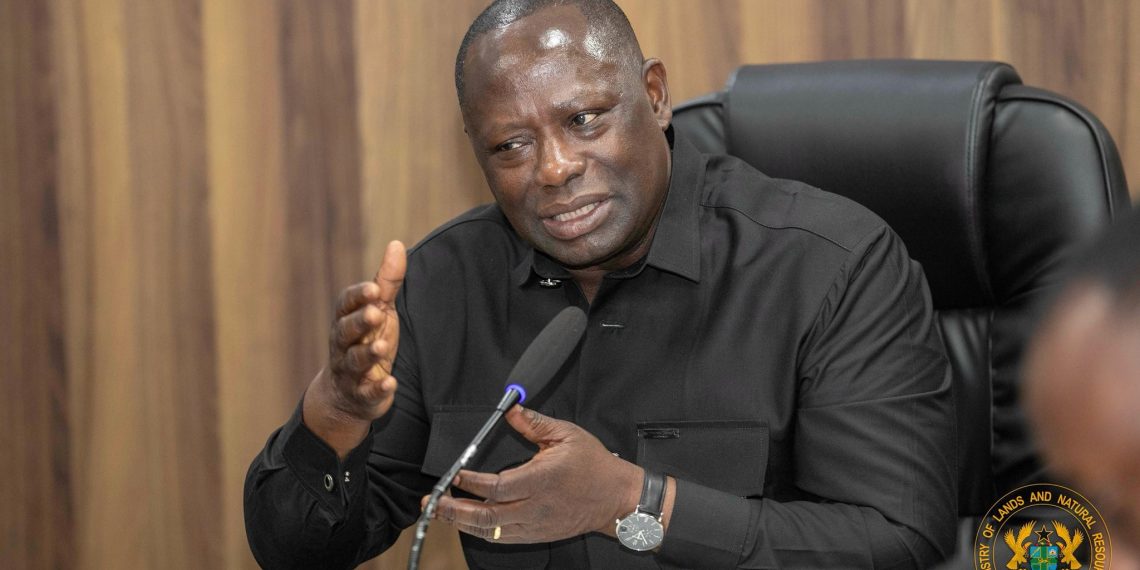
Reacting to the ruling, lead counsel for Groupe Nduom, Cletus Alengah, described the decision as another important milestone in the company’s journey toward restoration.
He indicated that GN Savings and Loans would continue engaging relevant stakeholders to ensure a smooth transition process as preparations for reopening move forward.
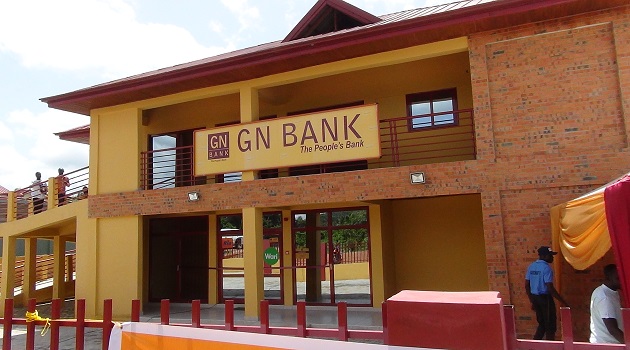
According to the company, plans are already underway to restore operations in phases, beginning with its historic branch in Elmina.
GN Savings and Loans was among several financial institutions affected by Ghana’s financial sector clean-up, which began in 2017 and led to the closure, consolidation or restructuring of banks, savings and loans companies, microfinance institutions and finance houses.
At the time, regulators maintained that the exercise was necessary to strengthen the financial system, protect depositors and restore confidence in the sector. However, some affected institutions challenged aspects of the process, arguing that certain regulatory actions were unfair or procedurally flawed.
The GN Savings case became one of the most prominent legal battles arising from the clean-up due to the size of the institution and the public profile of its founder, Dr Papa Kwesi Nduom.
While the latest ruling marks a major legal success for the company, industry observers note that reopening will likely involve several administrative and operational steps, including asset reconciliation, regulatory engagement, systems restoration, staffing arrangements and customer communication.
The case also carries wider implications for Ghana’s financial sector. Legal experts say the Court of Appeal’s decisions reinforce the principle that regulatory actions, including licence revocations and receiverships, remain subject to judicial review and must comply with due process requirements.
For now, GN Savings and Loans has cleared another key hurdle in its quest to return to business. With the Receiver’s application dismissed, attention is expected to shift from the courtroom to the practical process of restoring operations and rebuilding customer confidence.