

The government is considering the establishment of a special “Auditors’ Court” as part of efforts to strengthen accountability, improve oversight of internal auditors, and curb persistent financial irregularities within Ghana’s public sector.
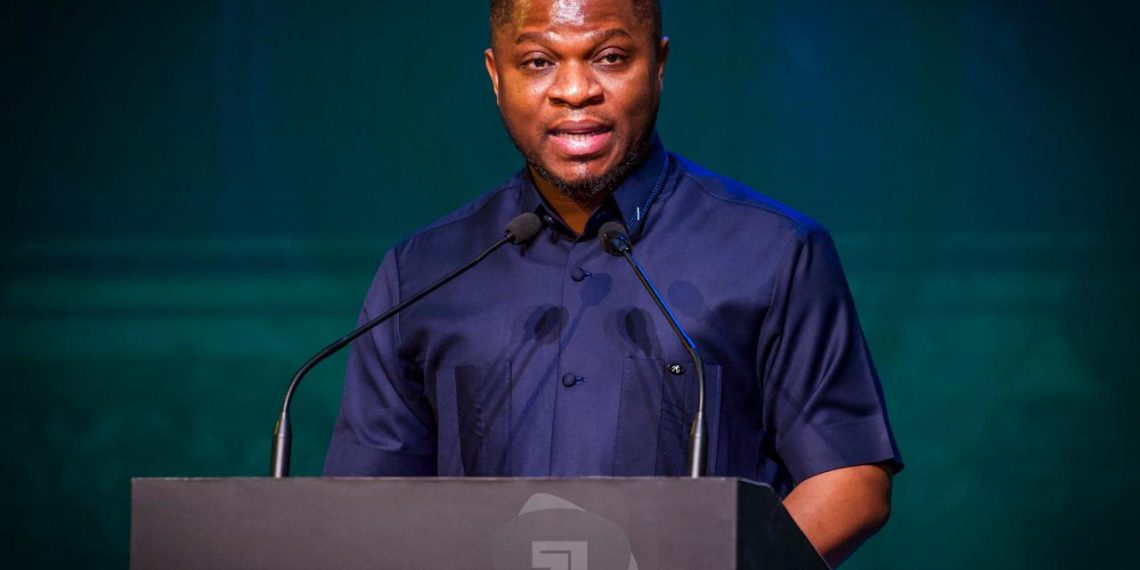
The proposal was announced by the Minister for Finance, Dr Cassiel Ato Forson, during the inauguration of the newly constituted nine-member Governing Board of the Internal Audit Agency.
According to Dr Forson, the proposed court will form part of broader reforms aimed at addressing weaknesses in public financial management and ensuring that internal auditors are held accountable for their responsibilities.
He noted that despite years of audit reports highlighting procurement breaches, unsupported payments, payroll irregularities, unretired imprests and other financial infractions, many of the same issues continue to recur across public institutions.
“The level of waste is too high, and the Ghanaian taxpayer is losing too much. We need to find a way to fix it,” Dr Forson stated.
The Finance Minister stressed that internal auditors play a critical role in safeguarding public resources by identifying risks, monitoring compliance and preventing financial mismanagement before it occurs. However, he said the continued recurrence of audit infractions raises concerns about the effectiveness of internal audit systems across the public sector.
As part of the proposed reforms, Dr Forson called for stricter sanctions against auditors who fail to perform their duties diligently, including the possibility of revoking professional licences in cases of misconduct or negligence.
“We must turn the Internal Audit Agency around and restore it to the purpose for which it was established,” he said.
He explained that the planned Auditors’ Court would provide an additional layer of oversight and enforcement, helping to ensure that internal auditors are held to higher professional standards while strengthening public confidence in the country’s accountability framework.
The Minister assured the newly inaugurated Board of government’s support as it works to reposition the Internal Audit Agency and improve financial discipline within public institutions.
“Your success must be reflected in the Auditor-General’s report,” he told members of the Board.
The nine-member Board has been tasked with developing strategies to strengthen the Agency’s mandate, improve risk management systems, promote compliance with financial regulations and enhance accountability across the public sector.
It is also expected to support reforms that will make internal auditing more preventive and results-driven, rather than simply identifying weaknesses after public funds have already been misapplied.
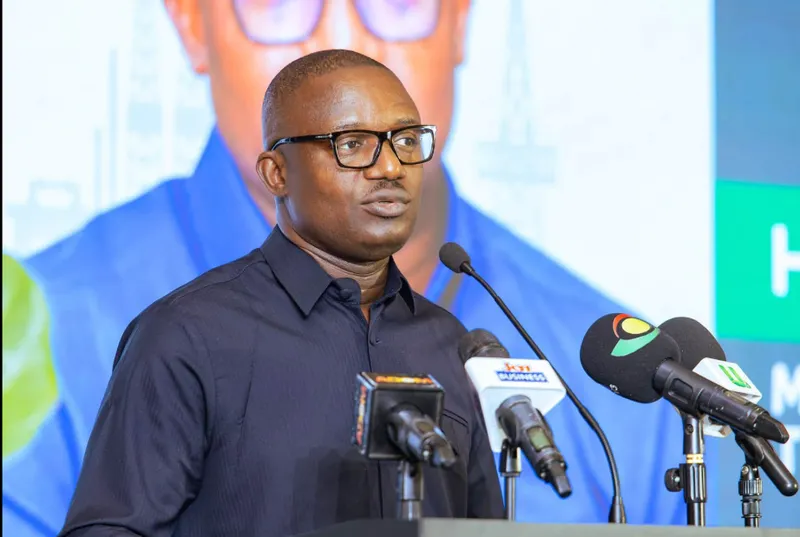
Speaking on behalf of the Board, Chairperson Professor Joshua Yindenaba Abor described the appointment as a significant responsibility and pledged the Board’s commitment to promoting transparency, accountability and value for money in the management of public resources.
He assured the government that the Board would work closely with stakeholders to strengthen the Internal Audit Agency and support ongoing efforts to improve governance and financial management.
If implemented, the proposed Auditors’ Court could become a significant addition to Ghana’s public financial management architecture. However, analysts say its effectiveness will depend on the clarity of its mandate, its relationship with existing institutions such as the Auditor-General, the Internal Audit Agency and the courts, as well as its ability to enforce sanctions and promote compliance.
The initiative comes at a time when public demand for accountability remains high and fiscal pressures continue to mount. For many observers, the key question will be whether the proposed court can move Ghana’s audit system beyond the repeated reporting of financial irregularities and towards effective enforcement, deterrence and the protection of public funds.