

Ghana has set an ambitious target of regaining investment-grade credit status by 2029, a move that would mark one of Africa’s fastest sovereign credit recoveries following the country’s debt default and subsequent restructuring.
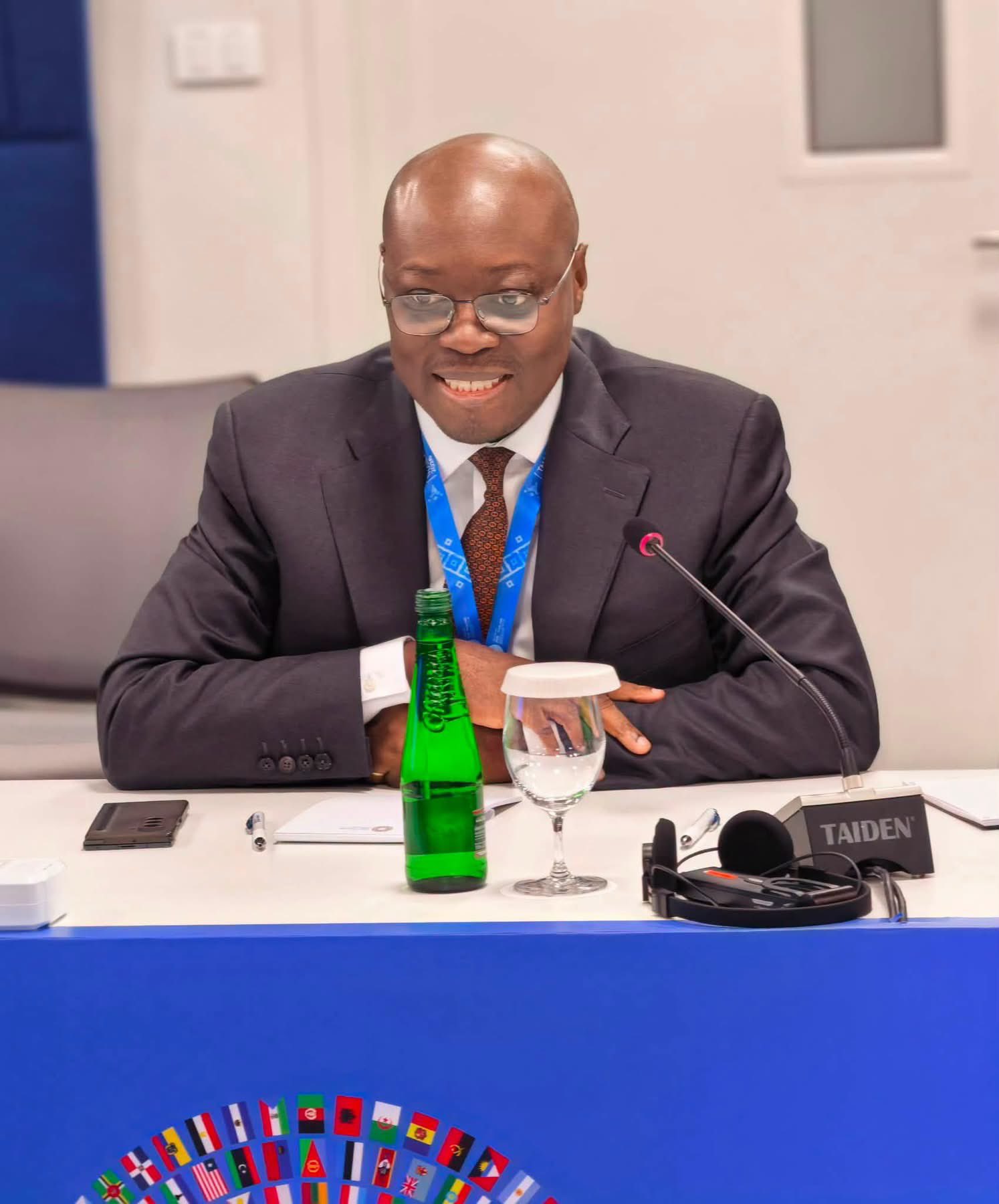
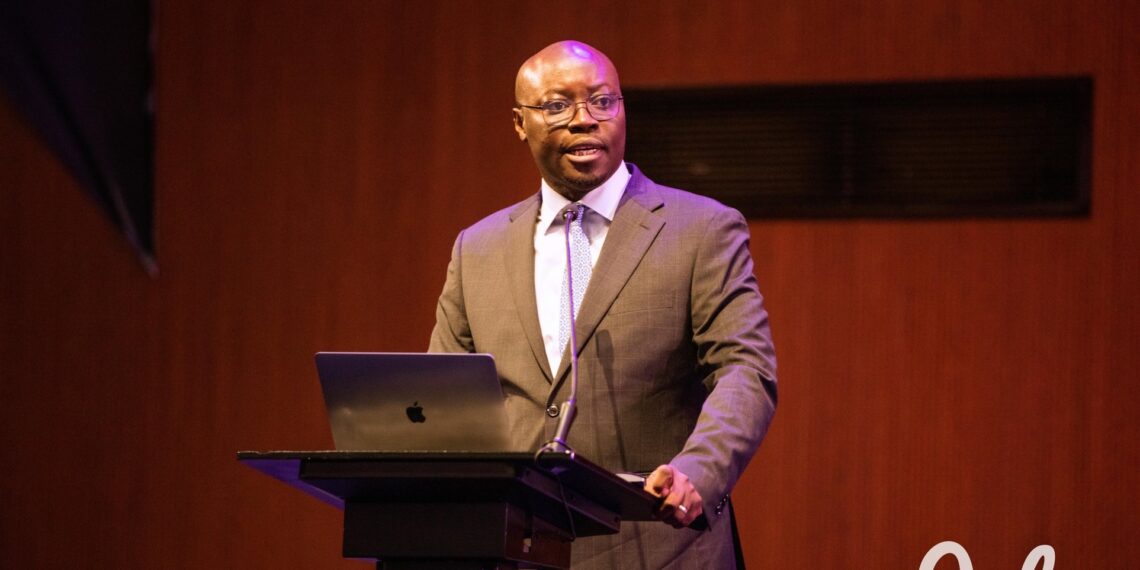
The goal was announced by Finance Minister Dr. Cassiel Ato Forson during an investor conference in London, where Ghanaian officials presented the country’s economic recovery story and sought to rebuild investor confidence after years of financial challenges.
Ghana defaulted on its external debt in 2022, triggering a comprehensive restructuring of both domestic and external obligations and leading to the implementation of an IMF-supported economic recovery programme. The crisis significantly affected investor confidence and pushed the country’s credit ratings into speculative territory.
According to Dr. Forson, the government is determined to restore Ghana’s creditworthiness and position the country for sustainable long-term growth. Achieving investment-grade status would lower borrowing costs, improve access to international capital markets, and attract a broader range of global investors.
The government’s optimism is based on recent improvements in key economic indicators. Economic growth has strengthened, inflation has declined significantly from its peak levels during the crisis, and the Ghana cedi has recorded one of the strongest performances among African currencies in recent months.
Officials believe that continued fiscal discipline, stronger economic management, and ongoing engagement with investors will support further credit-rating upgrades in the years ahead.
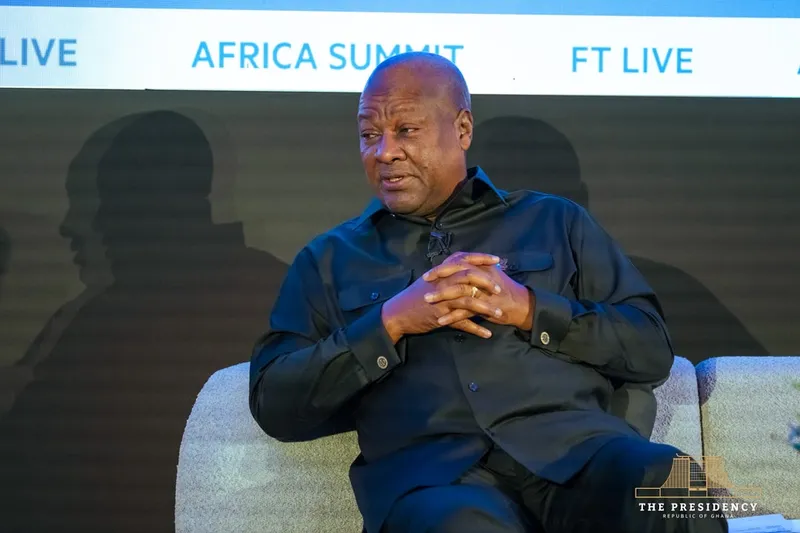
Addressing investors at the conference, President John Dramani Mahama argued that African economies are often unfairly assessed by global financial markets, resulting in higher borrowing costs than their economic fundamentals justify.
“Africa is not a risk to be managed. Africa is an opportunity to be seized,” President Mahama told investors, while calling for reforms to the global debt restructuring system to make it faster, fairer, and more responsive to countries facing financial difficulties.
The Finance Minister also outlined a new approach to development financing, emphasizing greater reliance on private sector investment rather than excessive government borrowing. He noted that attracting private capital into infrastructure, industry, and enterprise development would help drive growth while preventing a return to unsustainable debt levels.
Despite the positive outlook, analysts caution that achieving investment-grade status by 2029 will require sustained economic discipline. Credit rating agencies are expected to closely monitor Ghana’s fiscal performance, debt sustainability, foreign exchange reserves, monetary policy credibility, and ability to avoid a return to excessive borrowing.
The government will also need to demonstrate that recent economic gains are durable, particularly in the face of global economic uncertainty and fluctuations in key export commodities such as gold, oil, and cocoa.
Having emerged from one of the continent’s most closely watched debt restructurings, Ghana is seeking to redefine its economic narrative. While the 2029 target signals confidence in the country’s recovery, investors and rating agencies will ultimately judge Ghana not by its ambitions, but by its ability to consistently deliver on its reforms.