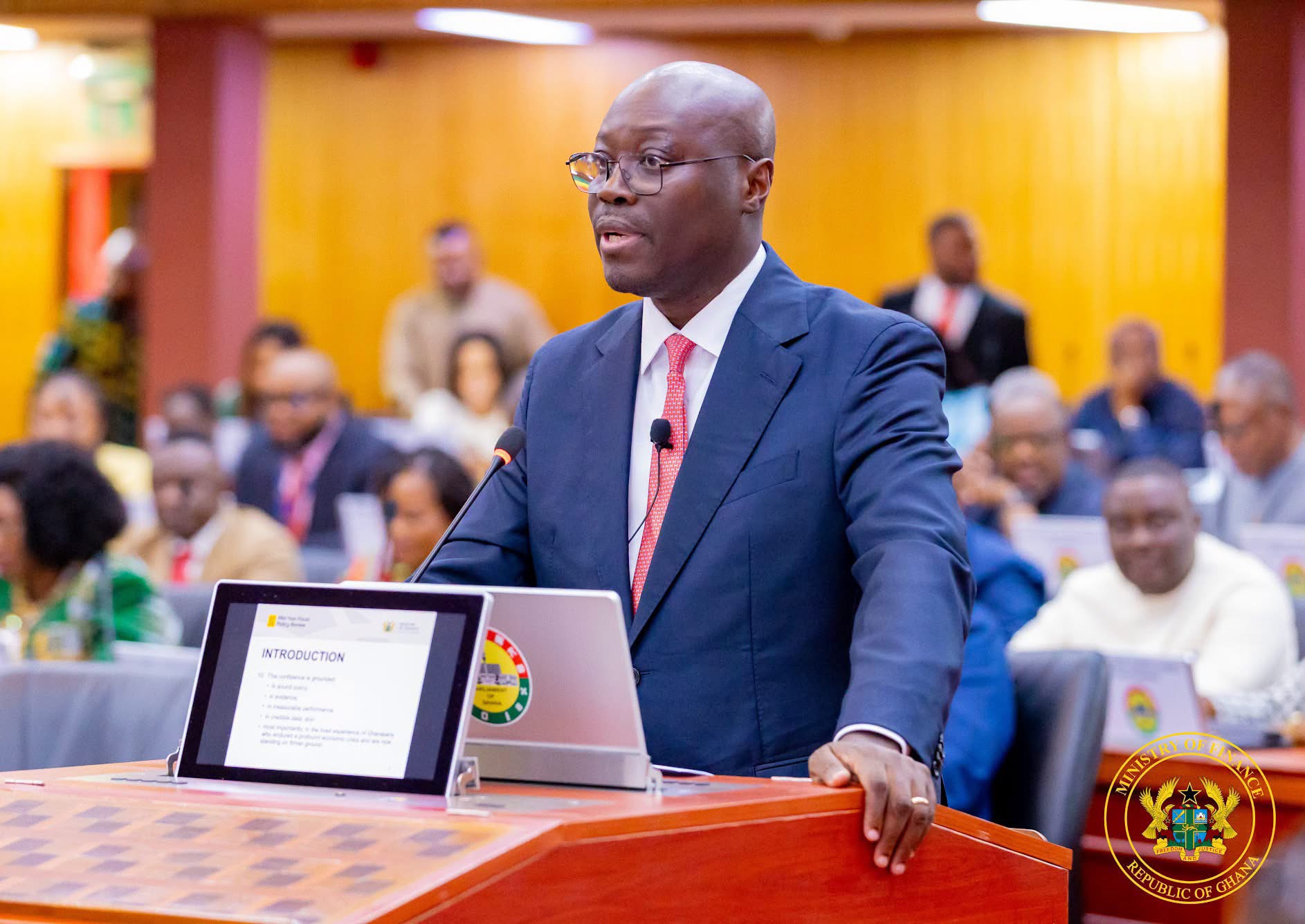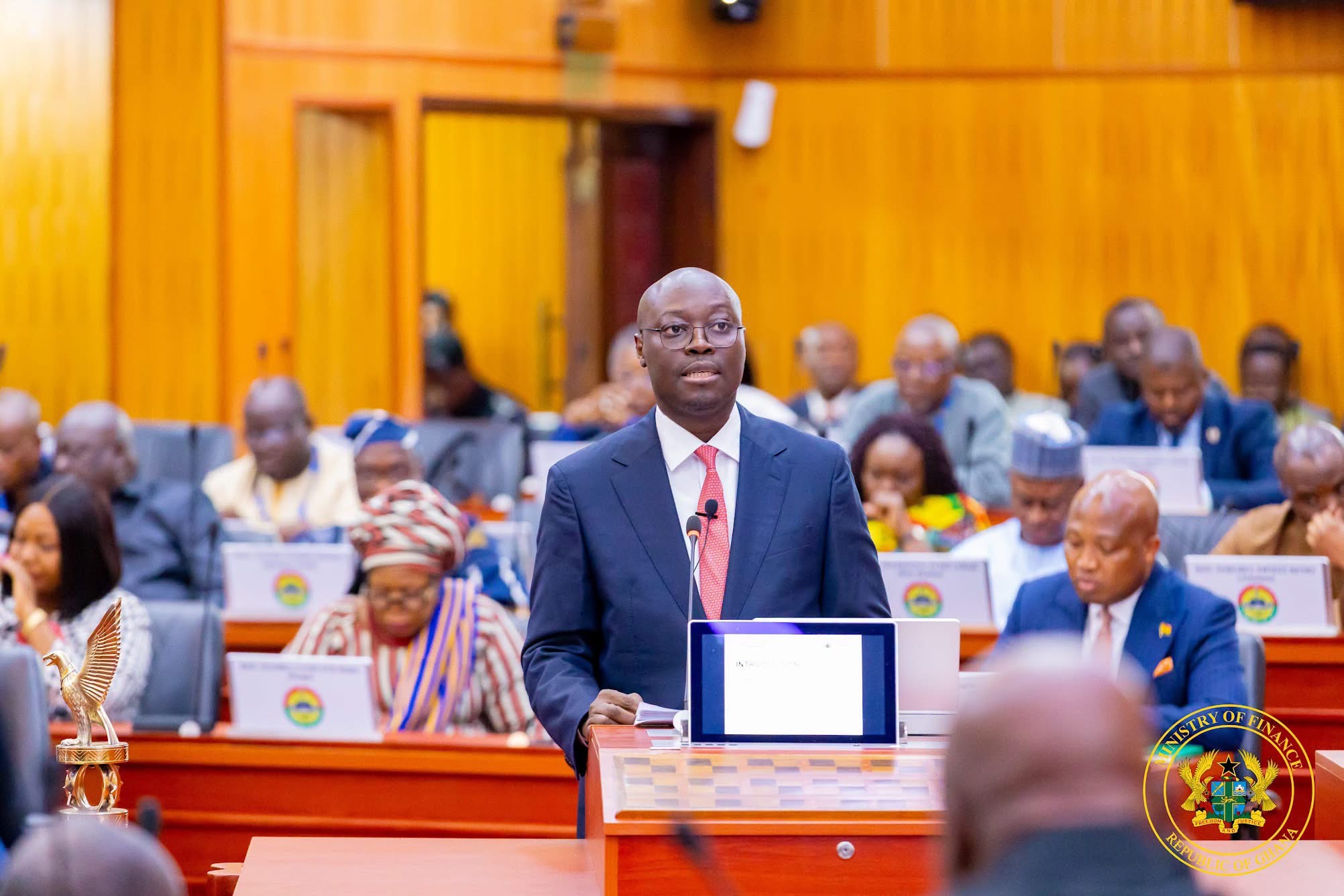


The government plans to train more than 2,000 scientists as part of efforts to develop local expertise for Ghana’s proposed nuclear power programme, Finance Minister Dr Cassiel Ato Forson has announced.
The initiative forms part of a broader nuclear-readiness programme designed to prepare the country for the development of a fully state-owned nuclear power plant.
Presenting the 2027 Budget Statement and Economic Policy to Parliament on Thursday, November 12, Dr Ato Forson said the government would invest US$200 million in a 24-month nuclear-readiness programme scheduled to run from January 2027 to December 2028.
He explained that the programme would focus on completing key preparatory activities and securing an engineering, procurement, construction and financing contract for the proposed plant by December 2028.
The Finance Minister, however, clarified that reaching the readiness stage by 2028 would not mean the country would immediately begin generating nuclear power.
According to him, the period would be used to undertake essential preparations, including site studies, technology selection, environmental assessments, financing arrangements, licensing, safety requirements and emergency planning.
Dr Ato Forson also emphasised that the proposed facility would remain a strategic national asset under full state ownership and would not operate as an independent power producer.
He noted that international partners would be engaged to provide the necessary technology, financing, engineering expertise and specialised services, while Ghana develops the local capacity needed to manage the programme.
“As part of our nuclear-readiness journey, government will train over 2,000 scientists to build local expertise to drive Ghana’s transition to safe and reliable nuclear power,” he said.
Beyond the nuclear power initiative, the government is also targeting improvements in electricity distribution through the deployment of two million prepaid meters to reduce distribution losses.
The Finance Minister further announced that performance-based private-sector participation in electricity distribution is expected to be fully implemented by the end of 2027.