

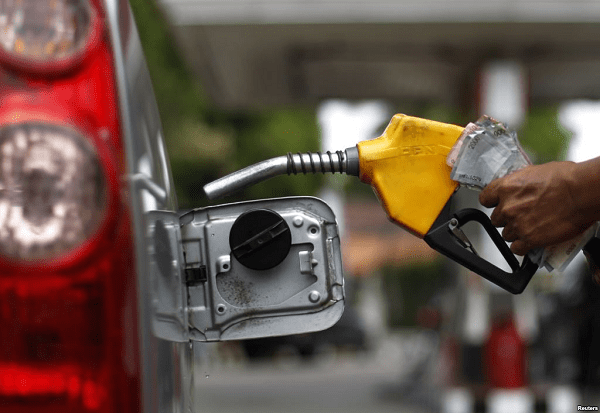
Petrol prices are expected to decline by up to 3.35% from November 1, 2026, while diesel and liquefied petroleum gas (LPG) prices are projected to increase, according to the Chamber of Oil Marketing Companies (COMAC).
The expected changes form part of the first petroleum pricing window for November, covering November 1 to 15.
COMAC estimates that petrol prices could fall to approximately GH¢17.02 per litre, while diesel prices are expected to rise by about 1.50%, reaching GH¢18.99 per litre. LPG prices are also projected to increase by 0.81% per kilogram.
The Chamber explained that the projected adjustments reflect mixed movements in international petroleum product prices, despite a decline in crude oil prices and a slight appreciation of the Ghana cedi.
During the review period, crude oil prices fell by 1.90%, while international petrol prices declined by 4.97%. However, diesel prices increased by 3.54%, with LPG recording a sharper rise of 21.33%.
The decline in international petrol prices is expected to drive the reduction at local pumps, while the increases in diesel and LPG prices will put upward pressure on their domestic prices.
The cedi’s appreciation also provided some relief during the pricing review. The local currency strengthened by 0.70% to an average of GH¢11.7326 against the US dollar between October 12 and October 27.
COMAC noted that the stronger cedi helped reduce the expected cost of imported petroleum products, cushioning consumers against some of the increases in international market prices.
The Chamber attributed part of the currency’s recent performance to foreign exchange interventions by the Ghana Gold Board over the past three weeks. It also pointed to plans for a US$1.5 billion foreign exchange injection aimed at supporting the cedi’s stability ahead of the festive season.
Meanwhile, government and industry measures are expected to limit the impact of rising international diesel prices on consumers.
COMAC said adjustments to the Energy Sector Shortfall and Debt Repayment Levy, alongside selected statutory margins in the diesel price build-up, would remain in place for another month.
“The total value of the intervention remains unchanged, maintaining the government–industry burden-sharing arrangement introduced on April 16, 2026, to moderate increases in diesel prices at the pumps,” the Chamber stated.
The intervention is intended to absorb part of the additional cost rather than pass the full increase on to consumers.
COMAC, however, cautioned that actual pump prices may vary among Oil Marketing Companies (OMCs), depending on their operational costs, dealer margins, product premiums and pricing strategies.
The projected changes present different outcomes for fuel consumers, with motorists using petrol expected to enjoy some relief, while diesel and LPG users face increases.
Developments in international petroleum prices and the performance of the cedi will remain key factors in determining fuel prices during the second half of November.