

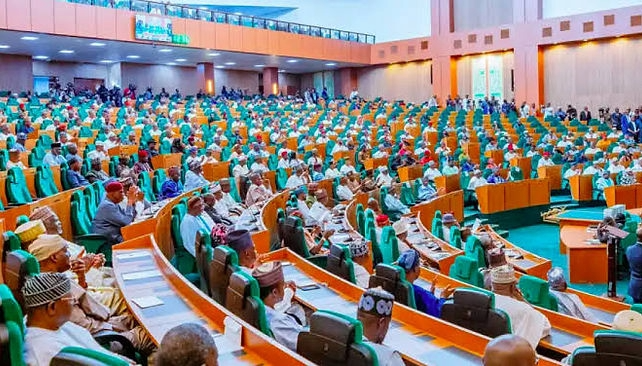
Nigeria’s parliament has suspended official visits to South Africa and directed lawmakers to boycott legislative events organised or hosted by South African institutions, in a fresh escalation of tensions over attacks on Nigerians and other African migrants.
The decision, announced on September 11, reflects growing concern among Nigerian lawmakers over the safety and welfare of Nigerians living and doing business in South Africa.
Under the directive, Nigerian legislators are barred from undertaking official parliamentary trips to South Africa or attending meetings organised by South African institutions until further notice.
The boycott, however, does not cover Nigerian government visits or formal government-to-government engagements, leaving diplomatic channels between Abuja and Pretoria open.
A spokesperson for Nigeria’s House of Representatives, Akin Rotimi, said the decision was driven by concerns over the “safety, dignity and welfare” of Nigerians living and conducting legitimate businesses in South Africa.
The move follows claims by Nigerian officials that xenophobic and mob-related attacks in South Africa have resulted in significant loss of Nigerian lives.
Nigeria’s Minister of State for Foreign Affairs has said 98 Nigerians have died in mob and hate-related incidents in South Africa since 2022, while Nigeria’s acting high commissioner in Pretoria said 1,695 Nigerians had voluntarily returned home this year amid concerns linked to xenophobia.
The figures have increased pressure on Nigeria’s government and lawmakers to take a stronger position on the recurring attacks.
South Africa hosts large migrant communities from across Africa, including Nigerians who are involved in businesses, professional services and other economic activities. However, periodic outbreaks of violence against foreign nationals have continued to raise questions about their safety and the authorities’ ability to prevent such attacks.
The parliamentary boycott comes less than two months after South African Foreign Minister Ronald Lamola visited Abuja for talks with Nigerian officials on attacks targeting Nigerians and other African nationals.
During those discussions, Lamola said the South African government condemned “all forms of xenophobia”, as Pretoria sought to reassure Nigeria that violence against foreign nationals was not supported by the state.
The latest action by Nigeria’s parliament suggests that lawmakers remain dissatisfied with the progress made so far.
Although the boycott does not amount to a suspension of diplomatic relations or restrictions on trade, it sends a strong political message and could affect parliamentary cooperation between the two countries.
Nigeria and South Africa are two of Africa’s most influential economies and play significant roles in continental diplomacy. South African companies have substantial commercial interests in Nigeria, while Nigerians have established communities and businesses across South Africa.
That economic relationship has often encouraged both governments to contain disagreements before they develop into broader diplomatic disputes.
Xenophobic violence, however, has remained a particularly sensitive issue. Incidents in South Africa can quickly trigger public anger in Nigeria and calls for tougher action against Pretoria.
The latest decision therefore puts renewed pressure on South African authorities to demonstrate that foreign nationals can be protected and that those responsible for attacks will be held accountable.
For Nigeria, the decision also creates a delicate balance. Parliament has adopted a tougher position, but the continued exemption for government engagements means Abuja can maintain direct diplomatic discussions with Pretoria.
That could provide an avenue for both countries to address the issue without allowing tensions to spread to trade, investment, migration and other areas of bilateral cooperation.
Reuters reported that neither Nigeria’s foreign ministry nor a South African government spokesperson had immediately responded to requests for comment on the parliamentary decision.
The dispute also comes at a time when African countries are pushing for greater continental integration through initiatives such as the African Continental Free Trade Area.
Continental integration depends partly on Africans being able to move, live and work across borders without facing violence or discrimination. Continued xenophobic attacks could therefore undermine efforts to deepen economic and social ties across the continent.
For now, Nigeria’s parliament has chosen institutional disengagement as a way of putting pressure on South Africa.
With parliamentary visits suspended and lawmakers instructed to stay away from South African-hosted legislative events, the message from Abuja is clear: the treatment and safety of Nigerians in South Africa has become a bilateral issue with the potential to affect relations between two of Africa’s most influential countries.