

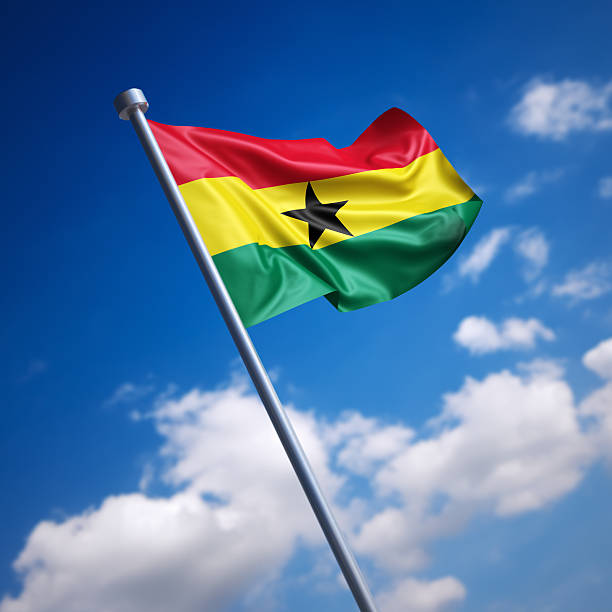
Ghana has been ranked the 7th best country in Africa and the 90th best country in the world in the 2026 Best Countries rankings released by U.S. News & World Report.
The latest rankings assessed countries based on several indicators, including governance, economic development, infrastructure, healthcare, civic participation, business opportunities, environmental sustainability, culture, and tourism.
Ghana was recognised as one of the top African countries gaining global attention for its economic potential and strategic importance despite ongoing economic difficulties in recent years.
According to the report, Ghana continues to stand out as one of West Africa’s relatively stable economies, even amid challenges such as rising debt levels, inflationary pressures, and currency instability.
The report highlighted Ghana’s historical significance as the first sub-Saharan African country to gain independence from colonial rule in 1957, noting that the country’s economy remains heavily driven by gold, cocoa, and oil exports.
It also pointed to the rapid growth of sectors such as telecommunications, banking, financial technology, and digital services as major factors strengthening Ghana’s economic relevance on the continent.
Seychelles emerged as Africa’s highest-ranked country, placing 49th globally, largely due to its strong tourism industry and offshore financial services sector.
Morocco followed as the second-best country in Africa, ranking 74th globally, supported by a diversified economy powered by tourism, agriculture, automobile manufacturing, and renewable energy investments.
Tunisia secured the 77th position globally, while Egypt and South Africa ranked 80th and 81st respectively.
Algeria placed 87th globally, just ahead of Ghana, which occupied the 90th position.
Other African countries featured in the global rankings included Kenya at 92nd, Zimbabwe at 97th, and Nigeria at 98th.
The report noted that although several African countries continue to face structural economic challenges such as unemployment, inflation, and inequality, many are increasingly gaining international recognition for infrastructure development, investment opportunities, industrial growth, and cultural influence.