

Ghana and Burkina Faso are considering a bilateral trade and investment agreement aimed at strengthening cooperation in agro-processing and manufacturing, as both countries seek to build on formal trade valued at more than US$1 billion annually.
The proposed agreement is expected to create opportunities for businesses in sectors such as shea, cotton, leather, handicrafts and other agricultural value chains, while addressing trade barriers that continue to make cross-border business expensive and difficult.
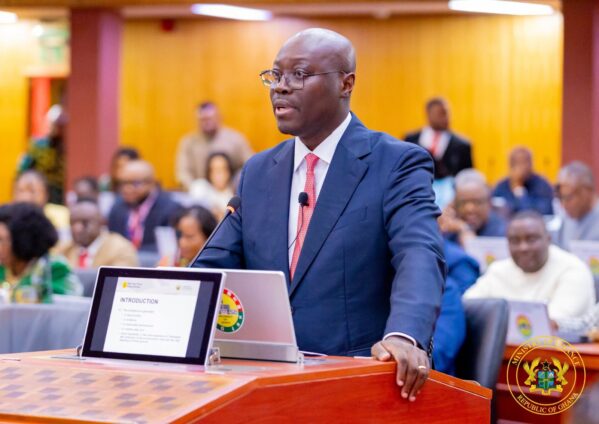
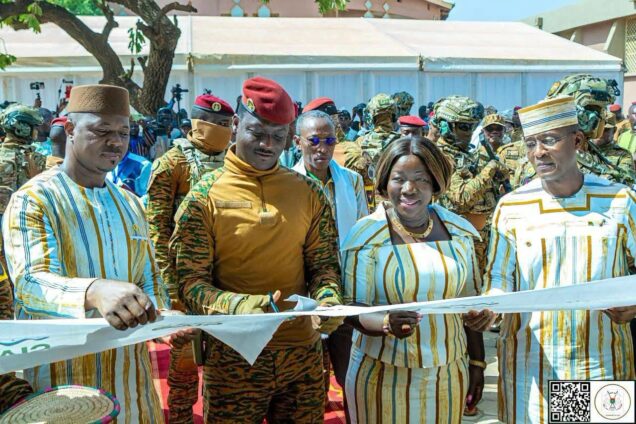
Ghana’s Minister for Trade, Agribusiness and Industry, Elizabeth Ofosu-Adjare, announced the initiative at the opening of the 18th International Arts and Crafts Fair of Ouagadougou (SIAO 2026) on October 30, where Ghana participated as a Guest of Honour alongside Mali and Niger.
She said the existing trade relationship between the two countries provided a strong foundation for deeper economic cooperation.
“Ghana and Burkina Faso already trade approx. US$1 billion a year,” she stated, noting that formal bilateral trade exceeded US$1 billion in 2025.
The proposed arrangement is expected to encourage businesses in both countries to move beyond trading raw materials and finished goods towards greater local processing, manufacturing and investment.
Shea, cotton and leather have been identified as some of the key areas with potential for closer collaboration. Stronger links between producers, processors and manufacturers could create opportunities for higher-value products and expand access to regional and international markets.
For instance, cooperation in shea could strengthen the supply chain for cosmetics and other processed products, while the cotton sector could benefit from closer connections between farmers, textile producers and clothing manufacturers. Leather also presents opportunities for businesses involved in footwear, accessories and other finished products.
However, these opportunities will depend on investment in processing facilities, reliable raw material supplies, product quality and access to markets.
Ofosu-Adjare also called for improvements in border management, harmonisation of standards and simpler procedures to facilitate the movement of goods between the two countries.
She noted that delays at border posts, differing regulatory requirements and transportation costs often increase the cost of doing business, particularly for small and medium-sized enterprises.
Addressing these challenges could make cross-border trade more predictable and allow businesses to move products with fewer delays and additional expenses.
Ghana already exports plastics, household goods, steel, fertilisers, cement, pharmaceuticals and beverages to Burkina Faso. In return, agricultural products such as livestock, onions, tomatoes, sesame and shea provide opportunities for trade with Ghana.
The two countries could also benefit from joint ventures, technology transfers and investments in production facilities, particularly in sectors where their respective strengths can complement each other.
Ghana’s ports and distribution networks could further support Burkina Faso’s access to international maritime trade, while stronger commercial ties could open up additional markets for Ghanaian manufacturers and service providers.
Beyond industrial development, the minister called for greater efforts to connect traditional craftsmanship with modern manufacturing and international markets.
“What we must build now is the bridge that carries our crafts from the workshop to the factory floor and onto the shelves of the world,” she said.
Ghana’s participation in SIAO 2026 features products from all 16 regions, including Kente and Adinkra textiles, fugu, Bolgatanga baskets, pottery, beads, leather goods and contemporary fashion.
The exhibition provides an opportunity to showcase the country’s cultural products to international buyers and explore potential commercial partnerships.
However, expanding the market for these products will require artisans and small businesses to improve production capacity, maintain quality, meet packaging requirements and secure reliable distribution channels.
The proposed Ghana-Burkina Faso partnership also aligns with the broader objectives of the African Continental Free Trade Area (AfCFTA), which seeks to strengthen trade, investment and industrial cooperation across the continent.
Although discussions are still at the proposal stage, the existing trade relationship offers both countries a foundation to pursue deeper economic ties.
The real test will be whether the proposed agreement can translate into lower trade costs, increased investment, stronger local manufacturing and more employment opportunities for businesses and workers in both countries.