


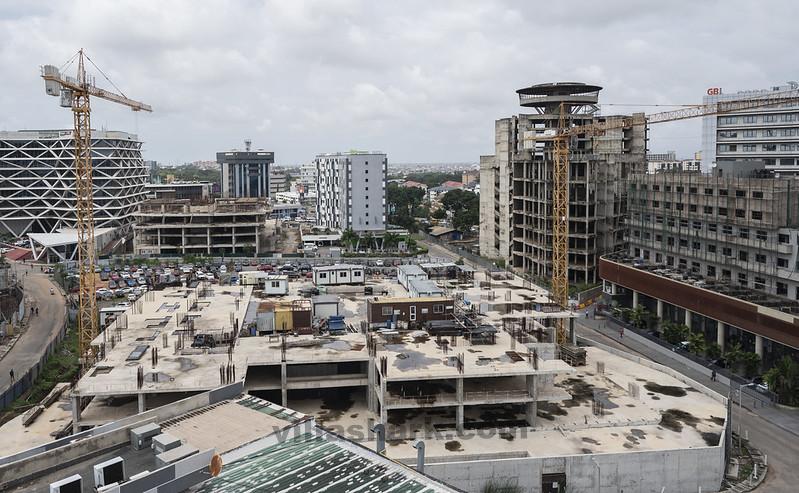
Ghana’s construction sector is showing fresh signs of relief as building cost inflation continued to slow in March 2026, marking the 11th consecutive month of easing price pressures across the industry.
New data from the Ghana Statistical Service (GSS) revealed that annual building cost inflation fell to 2.2 per cent in March, down slightly from 2.4 per cent in February and far below the 23.6 per cent recorded in March 2025. The latest figures suggest that while construction costs are still rising, the pace of increase has slowed sharply compared with the severe inflationary pressures experienced over the past two years.
According to the Prime Building Cost Index, average construction input prices rose to 134.1 in March 2026 from 131.3 a year earlier. However, the overall moderation in inflation is giving households, developers and contractors greater confidence after a prolonged period of unstable prices.
The report also showed that on a month-on-month basis, construction costs still increased by 0.8 per cent between February and March, indicating that some short-term price pressures remain within the sector.
The Prime Building Cost Index tracks changes in the cost of construction by monitoring prices of materials, labour and equipment used in building projects. The rebased index now uses 2023 as its reference year and covers 406 items collected from markets and outlets across the country.
The easing in inflation was driven largely by falling prices in some of the sector’s biggest cost components. Cement prices recorded annual deflation of 8.3 per cent, while steel prices fell by 3.1 per cent year-on-year. Prices for fine aggregate, coarse aggregate and bathroom accessories also declined, helping to offset increases in other areas.
Materials, which make up more than three-quarters of the overall index, recorded annual inflation of 2.3 per cent in March, slightly lower than the previous month. However, material prices still rose by 1.3 per cent on a monthly basis, suggesting suppliers are yet to completely shake off pricing pressures.
Labour costs also eased. Annual labour inflation slowed to 1.6 per cent in March from 2.4 per cent in February, while labour costs declined by 0.4 per cent month-on-month. Skilled labour inflation stood at 2.0 per cent, compared with 1.0 per cent for unskilled labour.
Despite the broader slowdown, some categories continued to record strong price increases. Glazing posted the highest annual inflation at 11.9 per cent, followed closely by electrical works at 11.6 per cent. Plumbing, tiles, doors, reinforcement and metalwork also remained under pressure.
Electrical works emerged as the single biggest contributor to overall construction inflation in March, accounting for more than half of the total increase recorded during the period. Glazing, tiles and metalwork also contributed significantly, while falling cement and steel prices helped pull overall inflation lower.
The Ghana Statistical Service said the current low-inflation environment creates an opportunity for households and businesses to resume or accelerate construction projects while prices remain relatively stable. It also encouraged businesses to secure medium-term supply contracts before any possible rebound in costs.
For government, the agency noted that the easing in construction inflation provides room to speed up infrastructure projects, including the Big Push agenda, while also addressing skills shortages within the sector through expanded artisan training.
Although building costs are no longer rising at the extreme levels seen in recent years, the latest data suggests the sector is not yet fully free from volatility. Still, the sustained slowdown in inflation is expected to improve planning certainty and affordability across Ghana’s construction industry.