

Russia has agreed to cooperate with Ghana on the development of a 2,000-megawatt nuclear power plant, a proposed project expected to support the country’s industrialisation drive and strengthen its electricity supply.
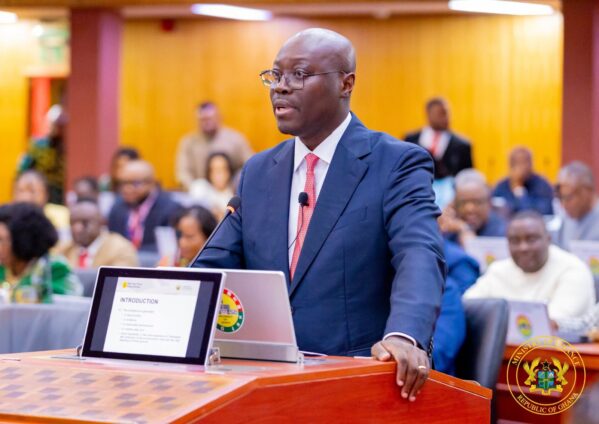
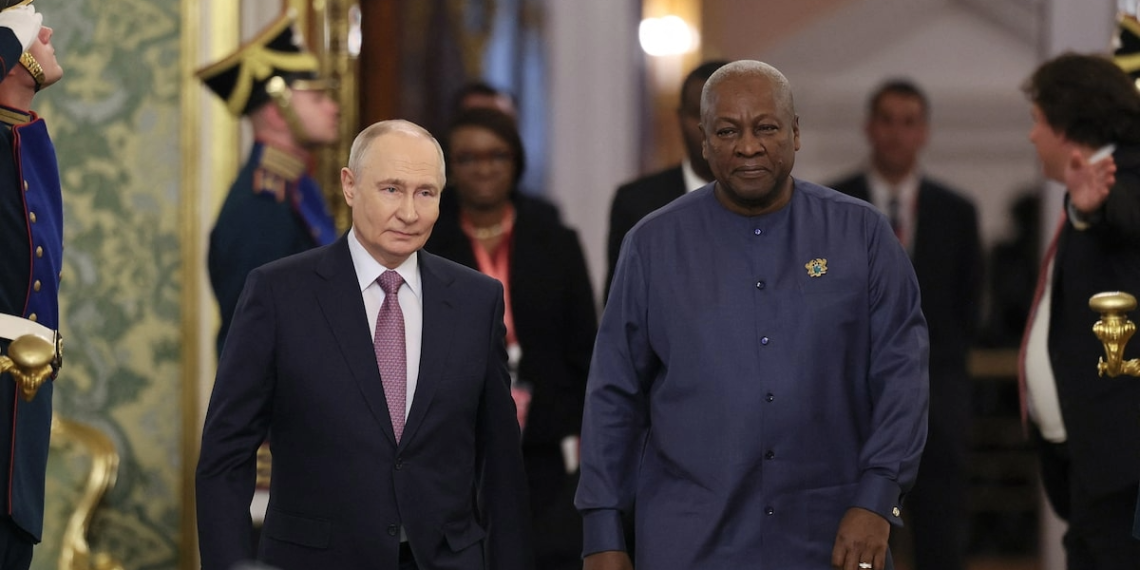
Foreign Affairs Minister Samuel Okudzeto Ablakwa announced the development following high-level discussions between President John Dramani Mahama and Russian President Vladimir Putin on the sidelines of the Russia-Africa Summit in Moscow.
The proposed plant would represent a major addition to Ghana’s energy infrastructure, although key details, including its cost, financing arrangements, construction timeline and location, are yet to be disclosed.
The announcement also does not indicate that a final investment decision has been reached or that funding for construction has been secured.
Ghana has been pursuing nuclear energy as part of efforts to diversify its electricity generation sources and meet growing demand from households and industries. A 2,000MW facility could significantly contribute to that ambition, depending on the project’s eventual technical and financial arrangements.
The announcement comes a day after Russia’s state-owned nuclear corporation, Rosatom, disclosed that it was discussing large-scale nuclear power projects with four African countries, including Ghana.
Beyond energy, the discussions between the two leaders also covered cooperation in defence, agriculture, education and bilateral relations.
According to Ablakwa, Russia has agreed to support Ghana’s efforts to acquire strategic military equipment through a new defence cooperation arrangement. He also disclosed that Putin had given assurances that Ghanaians would no longer be allowed to participate in Russia’s war in Ukraine, including through voluntary enlistment or irregular recruitment.
In agriculture, both countries are looking at opportunities to strengthen grain production and improve access to fertilisers, while Russia has also agreed to expand scholarship opportunities for Ghanaian students.
The two countries further agreed to revive their Permanent Joint Commission for Cooperation, with Russia expected to host the next meeting. The commission is expected to provide a platform for advancing the various agreements reached during the diplomatic engagement.
For the proposed nuclear power plant, however, attention will now turn to the practical arrangements needed to move the commitment towards implementation.
Details of the financing structure, ownership arrangements, construction responsibilities and the cost of electricity will be particularly important in determining the project’s long-term value to Ghana.
Until these arrangements are made clear, the announcement represents an agreement to cooperate towards developing the facility rather than a confirmed construction project.
The proposed partnership nevertheless places Ghana’s nuclear energy ambitions back in the spotlight, with further negotiations expected to determine how the 2,000MW project could become a reality.