

The government has introduced three safeguards to ensure that mineworkers do not lose their wages, benefits or working conditions as Ghana expands the role of indigenous companies in the mining sector.
The measures are intended to protect workers during the transition from owner mining to contract mining, while creating more opportunities for Ghanaian-owned businesses to undertake mining operations and services.
Under the new directive, the Minerals Commission is required to ensure that no worker engaged by a mining contractor or service provider suffers a reduction in wages, allowances, benefits, entitlements or working conditions because of the transition.
The Commission has also been tasked with developing a framework to harmonise compensation across the mining value chain and classify contractors according to their capacity to provide mining-related services.
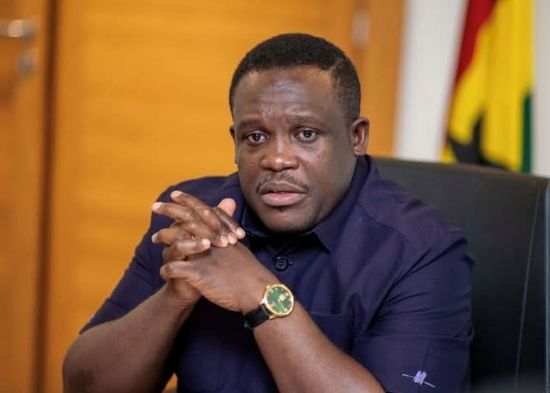
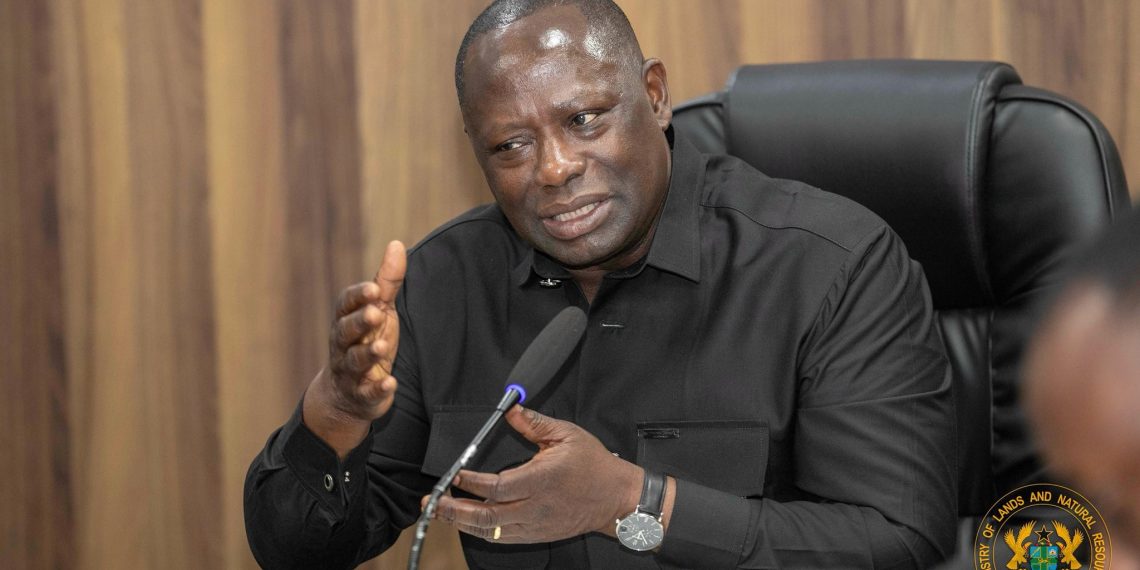
The Ministry of Lands and Natural Resources, headed by Emmanuel Armah-Kofi Buah, has set November 30, 2026, as the deadline for the Commission to complete the implementation processes and submit the necessary documents for approval.
In a statement, the Ministry stressed that protecting workers would remain central to the reform.
“No worker shall be rendered worse off as a consequence of its implementation,” it said.
The Ministry added that Ghanaian contract mineworkers should receive salaries, wages, allowances, benefits and other incentives equivalent to those of owner-mining employees performing comparable work before the transition.
The assurance comes amid concerns that outsourcing mining operations could lead to differences in pay, reduced benefits and weaker employment conditions, particularly if contractors seek to cut costs to remain competitive.
Maintaining existing salary levels will be important, but workers’ protection will also depend on how other employment benefits are handled. These may include pensions, medical insurance, overtime, bonuses, transport, accommodation and other entitlements negotiated under existing employment arrangements.
The government will therefore need to ensure that the transition does not leave workers worse off through cuts to benefits or the loss of accrued rights and years of service.
The proposed harmonisation of wages and working conditions is also expected to address disparities between workers performing similar duties at the same mining site but employed by different companies.
Although compensation may vary according to job responsibilities and experience, clear standards could help prevent contractors from gaining an advantage by offering poorer conditions to workers.
The third safeguard focuses on the classification of mining contractors. Under the arrangement, the Minerals Commission is expected to assess the capacity of companies seeking to provide mining services.
This is particularly important as Ghana seeks to increase indigenous participation in a capital-intensive industry that requires specialised equipment, technical expertise, financial strength and strict safety standards.
Without proper screening, companies lacking the resources to fulfil their obligations could struggle to pay workers on time, maintain equipment or meet workplace safety requirements.
The Ministry has also warned against cartelisation, bid rigging and fronting, practices that could undermine the objectives of the local-content policy.
It has declared “ZERO TOLERANCE” for unfair labour practices and commercial conduct that undermines genuine Ghanaian participation or harms workers.
The warning highlights concerns that some businesses could use Ghanaian companies as fronts for foreign interests, while others could secure contracts without developing the capacity needed to operate independently.
The local-content rules require indigenous Ghanaian companies to undertake surface contract mining. For underground contract mining, a Ghanaian-owned company must hold at least a 50 per cent interest in the partnership.
These activities were included in the sixth edition of the Local Procurement List, which took effect on January 1, 2025, under Ghana’s mining local-content regulations.
The policy is intended to strengthen Ghanaian businesses, retain more mining revenue within the country and create opportunities for local companies to develop expertise in mining operations.
However, industry growth will depend on more than Ghanaian ownership. Companies must also build technical capacity, invest in equipment, train workers and maintain the financial strength needed to compete sustainably.
The Ministry said consultations with the Ghana Mineworkers’ Union, industry experts and other stakeholders had helped clarify the legal and policy framework for the reform, including the need to protect workers.
It also pointed to the transition undertaken by several multinational mining companies as evidence that the local-content requirements are practicable.
“The successful transition undertaken by the majority of multinational mining companies demonstrates that the local content requirement is practicable,” the Ministry said.
As implementation progresses, the Minerals Commission will have to ensure that the experiences of these companies inform the development of clear and enforceable standards.
Mining companies must also maintain oversight of contractors operating at their sites to ensure compliance with employment and safety requirements. Expanding local participation should not allow mine owners to avoid responsibility when contractors fail to meet their obligations.
Transparent tender processes, regular inspections and accessible complaint mechanisms will be essential to prevent abuses. Workers must be able to report violations without fear of retaliation, while contractors found repeatedly breaching labour and safety rules should face meaningful sanctions.
The Commission is expected to complete the required processes by November 30, 2026, giving the government a firm deadline to turn its assurances into enforceable measures.
The Ministry has reiterated its commitment to fairness, transparency, genuine Ghanaian participation and the protection of workers across the mining industry.
The success of the reform will ultimately depend on whether those commitments are reflected in workers’ salaries, benefits, job security and safety after the transition.
Ghana’s push to expand indigenous participation in mining presents an opportunity to build stronger local businesses and retain more value from the sector. But that objective must be pursued without shifting the cost of reform onto workers.
The government’s challenge is to ensure that Ghanaian companies gain a greater share of the mining industry while mineworkers retain the pay, rights and protections they have earned.