


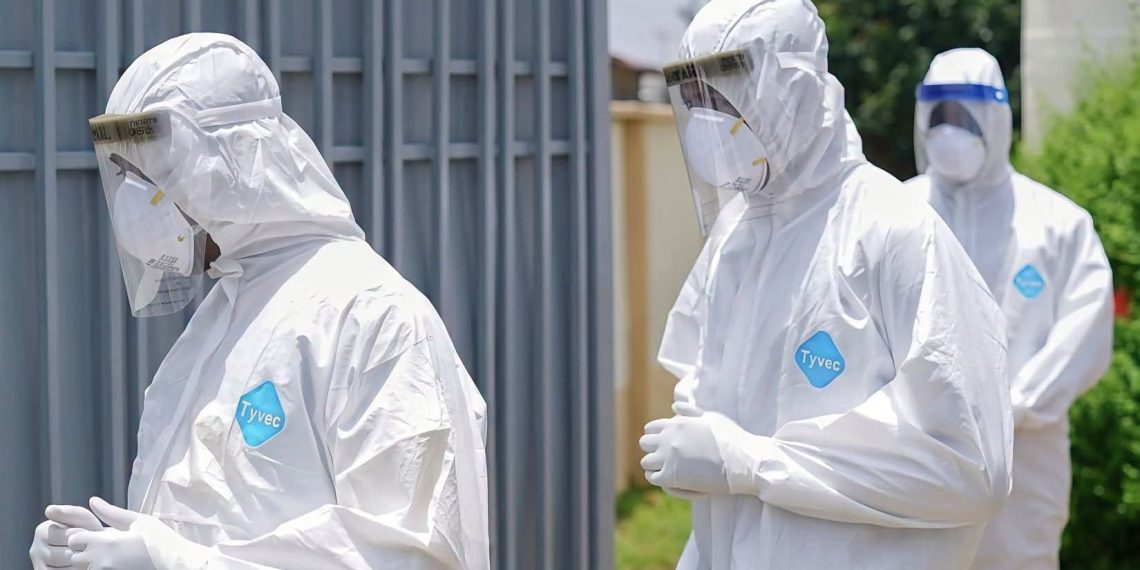
Ghana has stepped up Ebola surveillance at its borders, airports and health facilities following reports of infections in the Democratic Republic of the Congo (DRC), Kenya and Nigeria, raising concerns about the possible importation of the disease.
The Ministry of Health has emphasised that Ghana has not recorded any Ebola case, describing the measures as precautionary steps to strengthen the country’s preparedness and ensure suspected infections can be detected and contained promptly.
The heightened alert follows Kenya’s confirmation on October 6, 2026, of an imported case of Ebola caused by the Bundibugyo virus, linked to an outbreak in the DRC. By October 17, Kenyan authorities had reported six additional cases associated with the initial patient, including infections among healthcare workers.
Nigeria also reported a confirmed Ebola case in the Federal Capital Territory on October 20, increasing concerns about the risk of cross-border transmission within the region.
According to the Health Ministry, Kenya presents a significant risk to Ghana because of direct flights between the two countries and the volume of passenger traffic. Frequent travel between Ghana and Nigeria also heightens the need for vigilance.
Although the reported cases do not mean Ghana is on the verge of an outbreak, health authorities are strengthening preventive measures to ensure that an infected traveller can be identified and managed before the disease spreads locally.
Ebola symptoms can develop between two and 21 days after exposure, with an average incubation period of eight to 10 days. This means an infected person may travel before showing symptoms, making effective border surveillance and follow-up monitoring essential.
The ministry’s preparedness measures include enhanced screening at points of entry, simulation exercises, laboratory readiness, public education and training for healthcare workers. Authorities have also engaged the Ghana Airports Company Limited, the Ghana Civil Aviation Authority and other relevant institutions to improve coordination.
The measures are intended to ensure that airport officials, port-health personnel, laboratories, ambulance services and referral hospitals can respond quickly if a suspected case is identified.
Simulation exercises conducted at Accra International Airport and the Ghana Infectious Disease Centre are expected to test the country’s emergency response arrangements. However, their effectiveness will depend on whether any gaps identified are addressed promptly and the necessary resources are made available.
Laboratory preparedness is another important part of the response. Ebola can initially present with symptoms such as fever, severe headache, fatigue, sore throat and chills, which may resemble other common illnesses. Rapid and reliable testing is therefore necessary to help clinicians establish a diagnosis and take appropriate action.
Updated procedures must also ensure that suspected samples are collected, transported and tested safely, with adequate protection for laboratory personnel and proper management of potentially contaminated materials.
The infections reported among healthcare workers in Kenya have further highlighted the risks faced by frontline staff. Doctors, nurses, laboratory workers, ambulance crews and cleaners may be exposed if an infected patient is not identified early or infection prevention protocols are not followed consistently.
Ghana’s training efforts must therefore extend beyond specialised treatment centres to district hospitals, private clinics and other facilities where a suspected patient might initially seek care. Health workers need to recognise warning signs, obtain accurate travel and exposure histories, and know how to report suspected cases without putting themselves or others at risk.
The ministry is also monitoring travellers arriving from high-risk areas during their stay in Ghana. Health monitoring may continue for 21 days, corresponding to the maximum recognised incubation period for Ebola.
Such monitoring requires cooperation from travellers and clear communication from health officials. Protecting public health while respecting privacy and avoiding stigma will be important in encouraging people to report symptoms and comply with follow-up arrangements.
The ministry has reminded the public that Ebola spreads through direct contact with the blood or other bodily fluids of an infected person, as well as contaminated materials. It is not transmitted through the air.
People who develop symptoms after travelling to an affected area or coming into contact with a suspected or confirmed case should seek medical attention promptly and disclose their travel or exposure history to health professionals. The public is also encouraged to maintain good hand hygiene and avoid contact with the bodily fluids of anyone suspected of having the disease.
Clear and timely communication will be essential as Ghana strengthens its response. Health authorities must provide regular updates, explain the status of suspected cases and quickly correct misinformation that could create unnecessary fear or lead to discrimination.
While the ministry has urged Ghanaians to rely on official information and avoid circulating unverified claims, public confidence will also depend on the government’s willingness to communicate consistently and transparently, particularly when information is still being verified.
Ghana’s existing infectious-disease preparedness systems provide a foundation for the current response, but their effectiveness will depend on the availability of equipment, trained personnel, functioning emergency procedures and adequate resources.
The reported cases in the region therefore present an important test of the country’s ability to turn preparedness plans into an effective response. Authorities must ensure that surveillance, testing, isolation and communication systems can operate efficiently if a suspected infection is detected.
For now, the public is being urged to remain vigilant rather than panic. Ghana has no confirmed Ebola case, and the current measures are intended to prevent the disease from entering and spreading within the country.
Ultimately, the success of the response will depend on how quickly suspected cases are identified, safely isolated and managed, alongside effective monitoring and public cooperation.