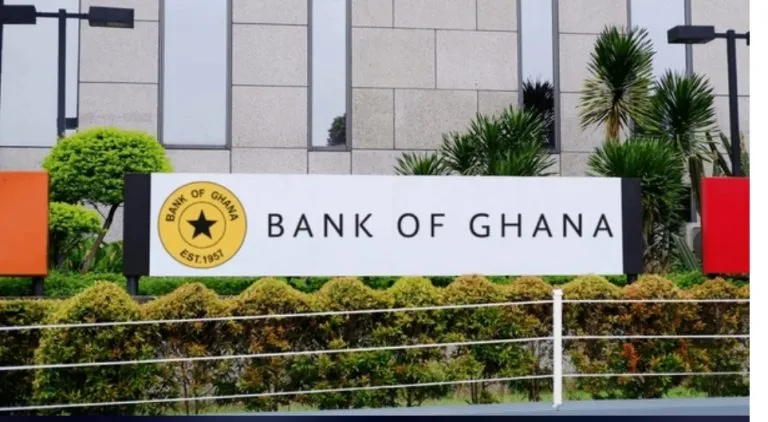



Ghana has overhauled its investment framework with the passage of the Ghana Investment Promotion Authority Act, 2026 (Act 1173), introducing sweeping reforms aimed at attracting more investment, strengthening investor protection and positioning the country as a leading gateway to the African Continental Free Trade Area (AfCFTA).
President John Dramani Mahama has assented to the new law, which officially transforms the Ghana Investment Promotion Centre (GIPC) into the Ghana Investment Promotion Authority (GIPA), giving the institution expanded powers to regulate, facilitate and promote investment.
One of the most significant changes under the new Act is the removal of blanket minimum capital requirements for wholly foreign-owned enterprises and joint ventures with Ghanaian partners. However, a reduced capital threshold will still apply to foreign-owned trading businesses, reflecting efforts to protect the local retail sector while encouraging investment in other productive areas.
The reform marks a major shift from the previous investment regime, where fixed capital requirements were often cited as a barrier for start-ups, smaller foreign businesses and joint ventures seeking to operate in Ghana.
According to GIPA, the new law introduces “far-reaching reforms” designed to improve the ease of doing business, enhance investor protection and align Ghana’s investment framework with regional and international standards, particularly the AfCFTA Protocol on Investment.
As part of the reforms, GIPA has been designated as Ghana’s national focal institution for implementing the AfCFTA Protocol on Investment. The move is expected to strengthen Ghana’s position as a preferred destination for businesses seeking access to the African continental market.
The Act also introduces a statutory Investor Grievance Mechanism, creating a formal process for investors to raise and resolve disputes. The measure is intended to improve confidence in Ghana’s investment climate by addressing concerns more efficiently before they escalate.
In addition, all registered enterprises will now be required to renew their registrations annually. Authorities say the new requirement will help maintain accurate investment records and improve monitoring of active businesses, while implementation guidelines will be issued to ensure a smooth transition.
Other key reforms include expanded expatriate quota thresholds, the establishment of a One-Stop-Shop to simplify investment processes, provisions for citizenship by investment, support for outward investment promotion, and measures to encourage sustainable investment, technology transfer and social inclusion.
Chief Executive Officer of GIPA, Simon Madjie, described the new law as a landmark moment for Ghana’s investment landscape.
“We are now better equipped to serve investors from first inquiry through to expansion and reinvestment,” he said, adding that Ghana must position itself as the preferred gateway to the AfCFTA market.
He said the transformation from a Centre to an Authority significantly strengthens Ghana’s capacity to attract and retain investment while ensuring that the benefits are shared across local communities.
GIPA has urged all existing GIPC-registered enterprises to familiarise themselves with the new legal requirements, including the annual registration renewal process and other transitional arrangements, as administrative guidelines are expected to be released in the coming months.