

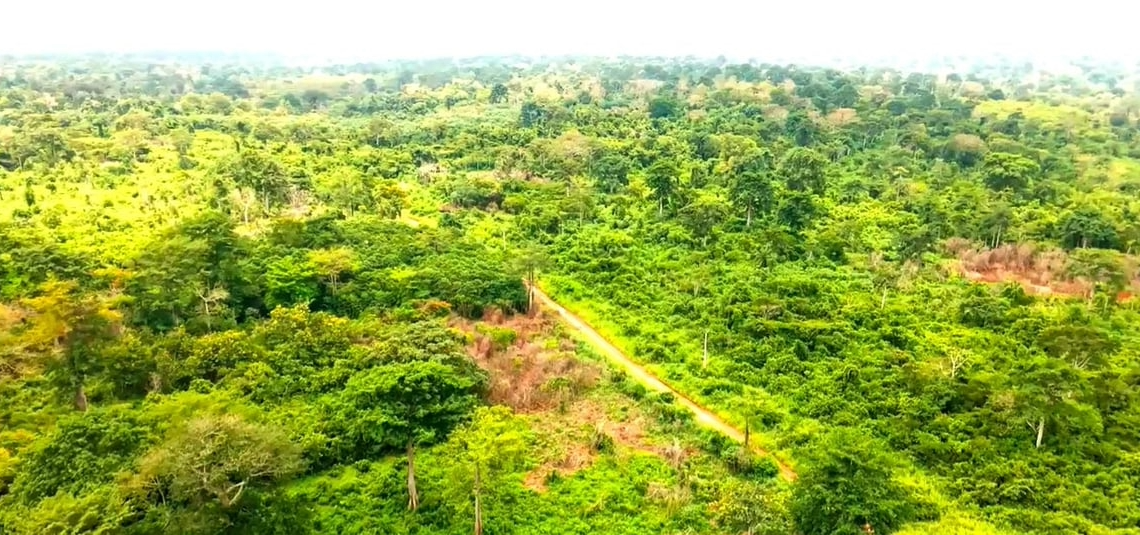
The African Development Bank says a regional forest restoration programme is delivering tangible benefits for communities in Ghana, Burkina Faso and Côte d’Ivoire by protecting forests, restoring degraded land and creating sustainable livelihood opportunities.
The West Africa Forest Investment Program, supported by the AfDB, is helping countries tackle the growing challenges of deforestation, land degradation and climate change while improving the lives of rural communities that depend heavily on forests for their livelihoods.
Rather than treating forest conservation as an environmental issue alone, the programme combines climate action with agriculture, job creation and income generation, recognising that protecting forests and improving livelihoods must go hand in hand.
According to the Bank, the initiative has so far brought 42,652 hectares of forest under sustainable management, established 11,686 hectares of climate-smart agroforestry systems and provided training to 13,516 people across the three participating countries.
The programme comes at a time when forests across West Africa are facing mounting pressure from illegal logging, agricultural expansion, bushfires, mining, rapid population growth and unsustainable land-use practices. These challenges threaten biodiversity, reduce agricultural productivity and undermine the long-term livelihoods of millions of people.
To address these issues, the programme promotes climate-smart agroforestry, enabling farmers to integrate trees with crop production. This approach helps restore soil fertility, reduce erosion, improve crop yields and strengthen resilience against drought and unpredictable rainfall.
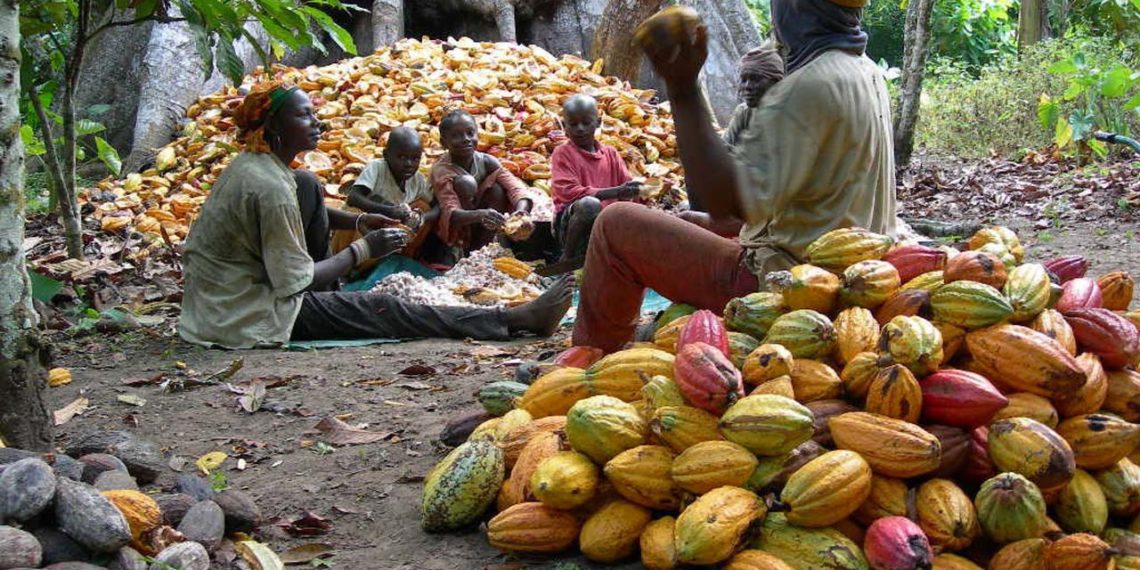
In Ghana, the initiative supports efforts to protect the country’s cocoa-growing forest landscapes, where deforestation linked to farming, illegal mining and timber harvesting has become a major environmental concern. By encouraging sustainable farming practices, the programme seeks to balance agricultural production with forest conservation.
Similar efforts are underway in Côte d’Ivoire, where extensive forest loss has prompted restoration initiatives aimed at rehabilitating degraded landscapes and promoting sustainable land management.
In Burkina Faso, the programme focuses on strengthening the resilience of dryland forests and supporting communities that are increasingly vulnerable to the effects of climate change through improved natural resource management.
The AfDB noted that successful forest conservation depends on giving communities practical economic alternatives. When local people benefit through better farming methods, new income opportunities and stronger community institutions, they are more likely to participate actively in protecting natural resources.
The initiative also contributes to the goals of the Forest Investment Program under the Climate Investment Funds, which supports developing countries in reducing emissions from deforestation and forest degradation while promoting sustainable land use.
As climate change continues to intensify across Africa, the Bank believes investments in community-based forest management, agroforestry, farmer training and alternative livelihoods will become increasingly important for protecting food security, water resources and biodiversity.
The AfDB says the programme demonstrates how climate finance can deliver practical results by supporting restoration projects, strengthening rural economies and building resilience at the community level.
While acknowledging that much more remains to be done, the Bank says the programme’s early achievements show that placing people at the centre of forest conservation can generate lasting environmental and economic benefits for West Africa.