Retirement planning must become a national priority rather than an afterthought if Ghana is to protect millions of workers from financial hardship in old age, Deloitte Ghana has said.
The professional services firm is calling for a stronger pension culture that encourages employers, employees and self-employed individuals to view pension contributions as a critical investment in their future financial security rather than simply a statutory requirement.
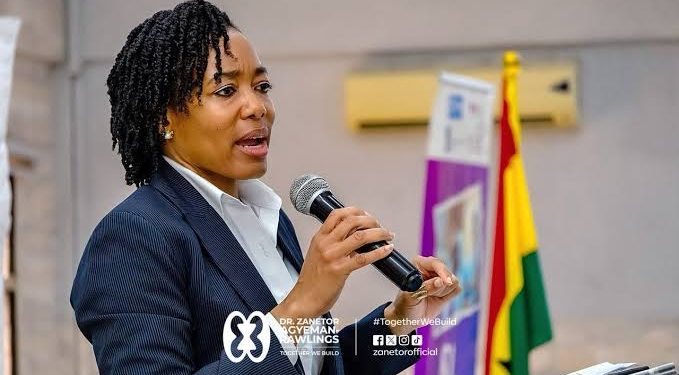
Speaking during a webinar themed “Securing Tomorrow Today,” Deloitte Ghana’s Partner for Tax and Legal, Gloria Boye-Doku, stressed that the quality of life people enjoy in retirement depends largely on the decisions they make during their working years.
“The future is not an event that simply happens to us. It is shaped by the decisions, investments and commitments we make today,” she said.
Her remarks come as Ghana continues efforts to expand pension coverage, particularly among informal-sector workers, who account for nearly 80 percent of the country’s workforce. Although the three-tier pension scheme has improved retirement planning opportunities, a significant number of workers remain outside formal pension arrangements, increasing their vulnerability to financial insecurity later in life.
According to Deloitte, the consequences of poor retirement planning extend beyond individuals. A weak pension culture can contribute to old-age poverty, greater dependence on family members, reduced spending power among retirees and increased pressure on public resources.
The firm noted that pension planning should be integrated into everyday financial management, especially in a labour market where many people move between formal employment, self-employment and informal work throughout their careers.
Deloitte also urged employers to see pension contributions as more than a compliance obligation. The firm believes effective pension management strengthens employee welfare, promotes trust within organisations and demonstrates a commitment to responsible corporate governance.
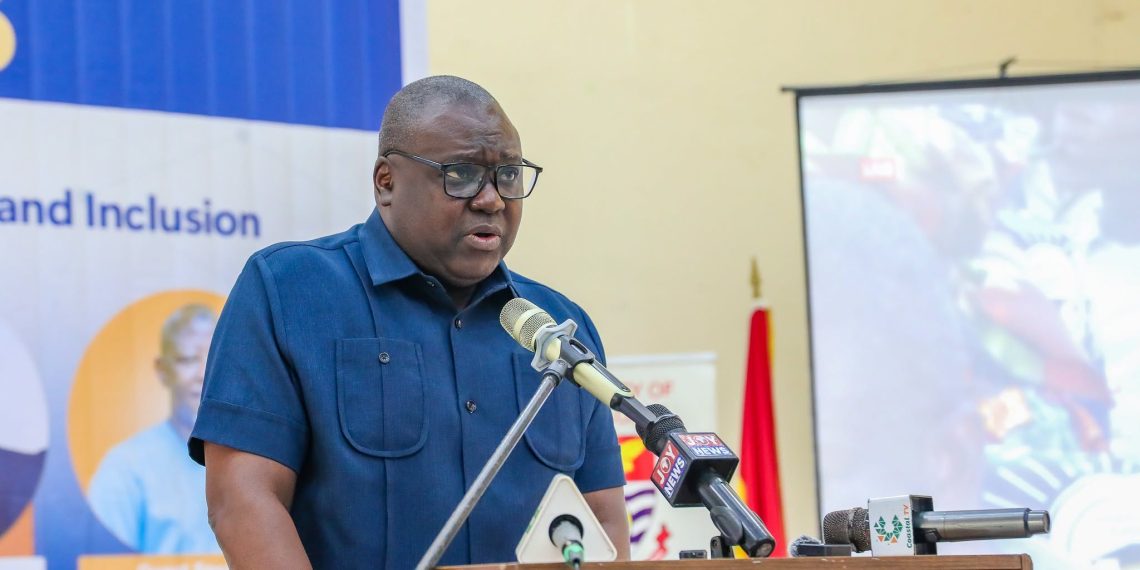
During the webinar, Director-General of the Social Security and National Insurance Trust (SSNIT), Kwesi Afreh Biney, highlighted the strengths of Ghana’s pension system, noting that it compares favourably with those of many developed countries.
He explained that Ghana’s pension framework provides a guaranteed replacement rate of about 60 percent for eligible contributors, exceeding average replacement rates recorded across Organisation for Economic Co-operation and Development (OECD) countries and the European Union.
While acknowledging the strength of the system, Mr Biney identified limited coverage as the country’s biggest challenge. He noted that many workers in sectors such as farming, trading, transport, construction and small-scale enterprises often operate without regular pension contributions, leaving them exposed to financial risks in retirement.
To address this, SSNIT is intensifying efforts to attract more informal-sector workers through initiatives aimed at increasing participation and improving retirement protection. However, experts say success will depend on more than registration campaigns.
Building trust in pension institutions, improving financial literacy, introducing flexible contribution options and expanding digital payment platforms will be essential to attracting informal workers into the system.
Deloitte further stressed the need for public education to help workers understand how pension contributions translate into future benefits. Many contributors, the firm noted, remain unclear about qualification requirements, benefit calculations and what happens when they change jobs.
The firm also pointed to the broader economic benefits of stronger pension participation. A larger pension fund base can provide long-term capital for infrastructure development, housing projects, corporate financing and government investments, contributing to national economic growth.
However, experts cautioned that increased participation must be matched by strong governance and transparency. Confidence in pension institutions is critical, particularly for informal workers who are not automatically enrolled through payroll deductions.
The webinar highlighted the need for Ghana to build a retirement system that is inclusive, trusted and widely understood. While the existing pension framework provides a solid foundation, stakeholders agree that greater efforts are needed to close coverage gaps and ensure more workers can retire with financial dignity.
As life expectancy continues to rise and labour markets evolve, retirement planning is becoming increasingly important. For many workers, relying solely on family support in old age may no longer be sufficient, making pension savings an essential part of long-term financial security.