

The Ghana Cocoa Board (COCOBOD) is preparing to raise about $1 billion through the issuance of commercial papers to finance cocoa bean purchases for the 2026/27 crop season, marking a significant shift away from its long-standing reliance on offshore syndicated loans.
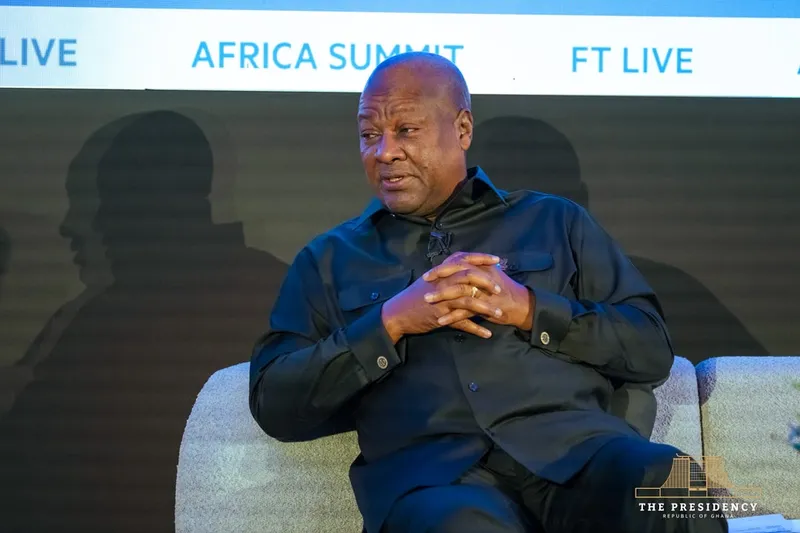
The announcement was made by Finance Minister Dr Cassiel Ato Forson during the Ghana-UK Investment Summit 2026 in London, where he outlined government efforts to diversify financing sources and provide the cocoa sector with more sustainable and reliable funding.
According to Dr Forson, the transaction adviser appointed for the programme has completed its work and submitted a report, paving the way for the issuance to commence in the coming weeks.
“We are not solely relying on Ghanaian banks but pension funds and non-resident investors. We will issue it in three tranches,” he stated.
The planned issuance is, however, contingent on the passage of the new Cocoa Bill by Parliament and its subsequent assent by the President. Once the legislative process is completed, government is expected to provide further details on the structure and implementation of the programme.
The commercial paper initiative is intended to provide COCOBOD with the liquidity needed to purchase cocoa beans, pay farmers promptly and support operations across the cocoa value chain during the next crop season.
For decades, COCOBOD has depended largely on annual syndicated loans from international banks to fund cocoa purchases. However, rising debt levels, volatile market conditions and tighter global credit markets have increased pressure on the traditional financing model.
Under the proposed arrangement, COCOBOD will issue cocoa-backed debt instruments within the domestic market, creating a revolving fund that can be repaid from cocoa sales proceeds within the same crop year.
The strategy is expected to deepen Ghana’s capital market by attracting pension funds, local institutional investors and non-resident investors seeking opportunities in the cocoa sector. It could also ease financing challenges faced by indigenous Licensed Buying Companies, enabling them to play a stronger role in cocoa purchasing.
Industry observers believe a more predictable financing framework could help COCOBOD increase supplies to local processing companies, boosting value addition, industrialisation and employment within the sector.
The move comes at a time when COCOBOD’s financial position remains under scrutiny, with concerns over its debt burden, reported to be about GH¢32 billion earlier this year.
As one of Ghana’s most important export commodities, cocoa continues to play a vital role in supporting rural livelihoods, generating foreign exchange and contributing to government revenue. Yet the sector has faced persistent challenges, including debt pressures, production volatility, smuggling and financing constraints.
The proposed commercial paper programme is therefore being viewed as more than a fundraising exercise. It represents a major test of Ghana’s ability to reform cocoa sector financing, reduce dependence on offshore borrowing and restore confidence in one of the country’s most strategic industries.
If successfully implemented, the initiative could provide COCOBOD with a more flexible and sustainable source of funding. However, analysts caution that poor structuring could transfer financing risks to domestic investors, including pension funds and financial institutions, making effective risk management crucial to the programme’s success.