

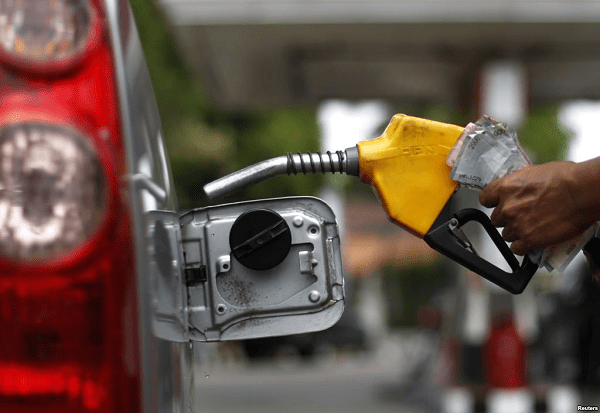
Fuel prices are expected to rise marginally from March 1, 2026, according to the latest pricing outlook released by the Chamber of oil marketing Companies (COMAC) and sighted by Jouy Business . If implemented, this would mark the third upward adjustment in petroleum prices since the start of the year.
Unlike earlier increments that were largely driven by domestic cost factors, the upcoming price changes are mainly linked to developments on the international market. COMAC’s projections indicate that the recent surge in global crude oil prices, coupled with increases in finished petroleum product prices, is the primary driver of the expected adjustments.
However, the increases could have been more significant if not for the recent marginal appreciation of the Ghana cedi against major trading currencies. Data monitored during the March 1 pricing window show that the cedi strengthened slightly from GHS 11.09 to GHS 11.04 per US dollar — a 0.45 percent gain. Market analysts at Databank attribute this modest improvement to broader gains recorded by several sub-Saharan African currencies, supported by sustained weakness in the US dollar and improving external conditions.
According to COMAC’s projections, petrol prices are expected to rise by 2.89 percent, potentially pushing the pump price to about GHS 12.04 per litre. Diesel is projected to increase by 0.86 percent, with prices likely hovering around GHS 13.22 per litre. Liquefied Petroleum Gas (LPG), on the other hand, is expected to decline slightly for the first time this year, with prices projected at approximately GHS 13.87 per kilogram.
Despite these projections, industry observers note that not all oil marketing companies may adjust their pump prices immediately from March 1. Pricing decisions will likely depend on existing stock levels and individual pricing strategies.
The projected hike underscores Ghana’s continued exposure to global oil market fluctuations and exchange rate movements. Currently, crude oil prices are trading near a seven-month high amid speculation of possible military action by the United States against Iran. Brent crude recently closed at around $71 per barrel, with some energy analysts warning that prices could climb toward $100 per barrel if geopolitical tensions escalate.
Meanwhile, finished petroleum products have recorded mixed performance trends. Petrol prices increased by 4.58 percent, and gas rose by 1.66 percent, while LPG prices declined by 1.05 percent over the review period.
As global market uncertainties persist, Ghana’s fuel pricing outlook remains closely tied to international crude oil movements and currency stability, factors that continue to shape pump prices across the country.