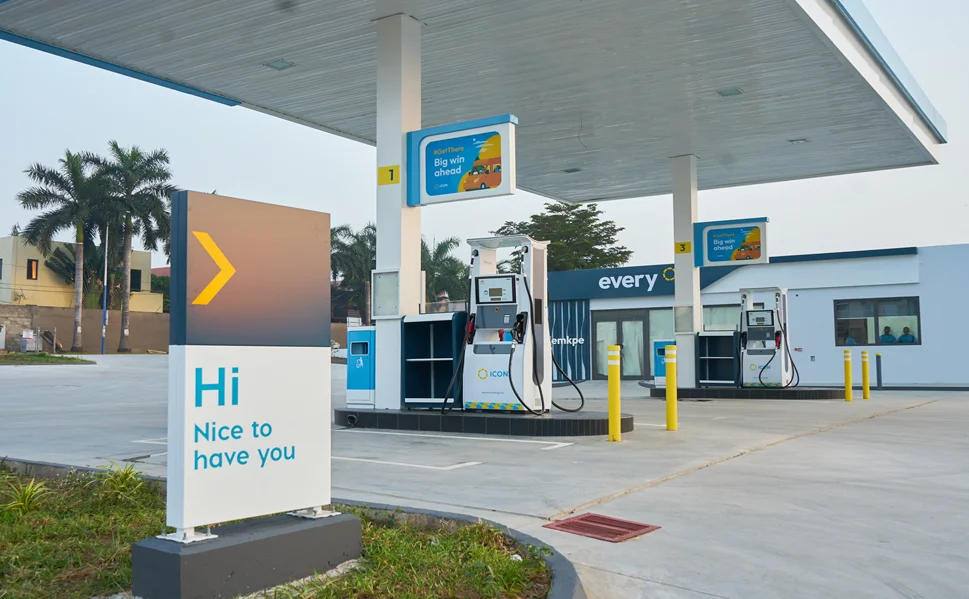


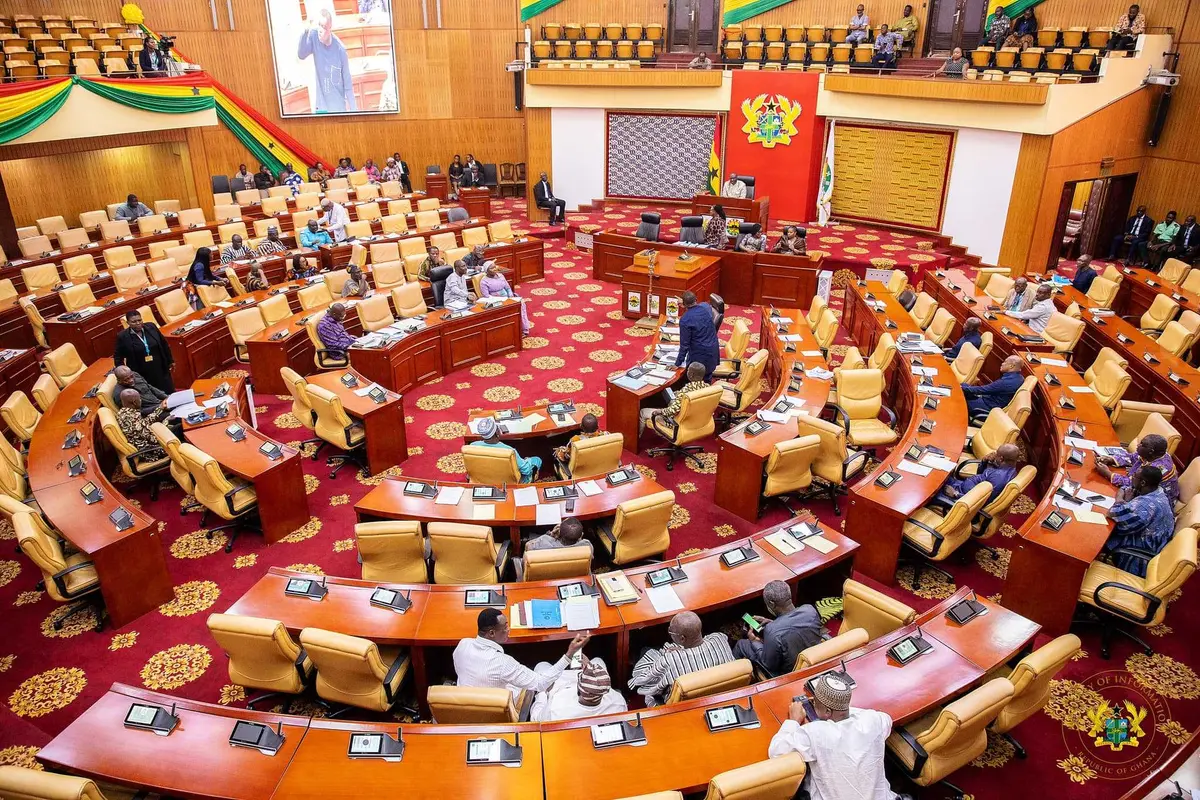
Parliament has passed the 24-Hour Economy Authority Bill, 2025 into law, giving full legal backing to the government’s flagship 24-Hour Economy and Accelerated Export Development Programme. The move marks a major step in formalising one of the National Democratic Congress (NDC) administration’s most ambitious economic policies under President John Dramani Mahama.
The new law establishes the 24-Hour Economy Authority, which will be responsible for coordinating, overseeing and driving the implementation of the programme across key sectors of the economy. Until now, the initiative had been managed by a Secretariat operating under the Office of the President. With the passage of the Bill, the programme now transitions into a legally constituted body with a clear mandate and institutional framework.
Speaking to journalists after the Bill was approved, Majority Leader Mahama Ayariga said the legislation responds to deep-seated structural challenges in Ghana’s economy. He pointed to the country’s heavy reliance on low-value raw material exports, strong dependence on imported finished and intermediate goods, weak domestic value addition, and high production and logistics costs. According to him, these factors have led to persistent value leakage, recurring macroeconomic instability and constrained long-term growth.
The memorandum accompanying the Bill explains that the 24-Hour Economy programme is designed as a comprehensive response to these challenges. It aims to restructure production systems, strengthen supply chains and build labour capacity to support continuous economic activity and higher productivity.
Under the framework of the programme, government plans to transform domestic production by increasing the volume, quality and diversity of goods produced locally. The focus is on strategic value chains where Ghana can localise production from start to finish, with the goal of improving food security, substituting imports, adding value to raw materials, creating jobs and expanding exports.
The programme also seeks to fix longstanding inefficiencies within national supply chains and market systems. Areas such as energy, finance, management services and information and communication technology are expected to receive targeted attention, as weaknesses in these systems have historically pushed up production costs and weakened economic integration.
Labour development forms another critical part of the agenda. The policy places strong emphasis on skills enhancement, particularly digital skills, improved work discipline and national mobilisation to boost productivity and encourage community-based solutions to economic challenges.
Government says the creation of the 24-Hour Economy Authority will significantly improve coordination across sectors and value chains, replacing the silo-based approach that has limited the impact of previous public sector interventions. While the programme is state-led, it is expected to be implemented largely through organised private citizens, cooperatives, companies, industry associations and community-based organisations.
Financing for the initiative is projected to come mainly from private sources, including development finance institutions, pension funds, multilateral partners and private foundations, rather than direct government budget allocations.
During parliamentary deliberations, Members of Parliament scrutinised the scope, governance structure and accountability mechanisms of the proposed Authority. Following committee review and debate on the floor of the House, the Bill was approved.
With the legislation now passed into law, government is expected to move quickly to operationalise the 24-Hour Economy Authority and begin full nationwide implementation. Officials maintain that placing the programme on a statutory footing is essential to shielding it from political transitions and ensuring continuity in efforts to address Ghana’s long-standing structural economic challenges.