
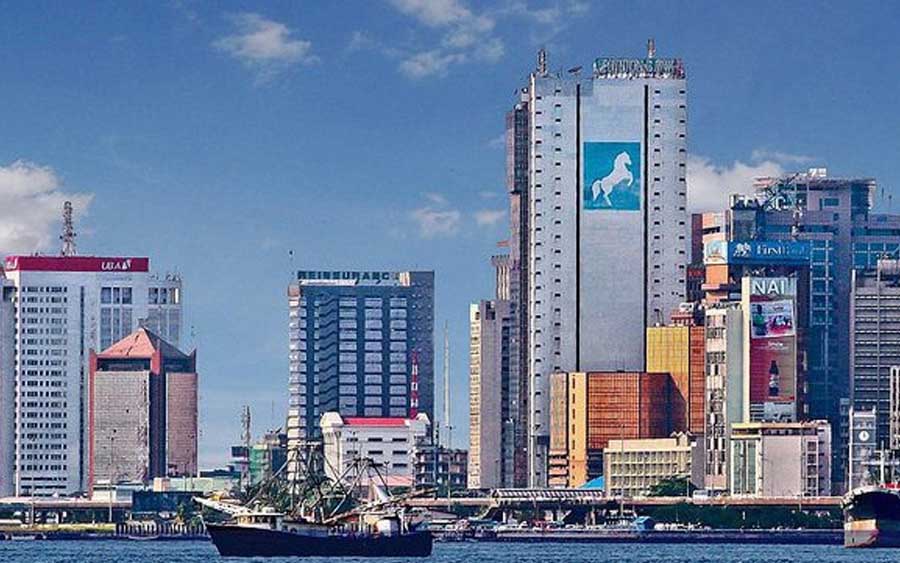
Nigerian banks are heading into 2026 with much stronger foreign-currency positions, easing concerns over about $1.7 billion in Eurobonds due next year, even as changes in monetary policy begin to reshape investor strategy.
A recent report by Fitch Ratings says improved dollar inflows and rising external reserves have boosted liquidity across the banking sector. According to the agency, banks now have enough foreign-currency cash to meet upcoming Eurobond obligations without rushing to refinance.
Nigeria’s gross external reserves rose to $46.3 billion in January 2026 from $32.2 billion in April 2024. The figure has since climbed to around $50 billion, the highest level in 13 years, according to Central Bank of Nigeria Governor Olayemi Cardoso. The stronger reserve position has enabled the central bank to clear overdue forex forwards and settle swap obligations with lenders, while also reducing banks’ reliance on foreign credit lines.
The sector’s foreign position has improved sharply, moving from a net foreign liability of $2.6 billion in 2022 to net foreign assets of about $11 billion by the third quarter of 2025. Fitch noted that banks with maturing or callable Eurobond debt have sufficient foreign-currency liquid assets to redeem those bonds without refinancing.
Among lenders with bonds due in 2026 are Access Bank, Fidelity Bank and United Bank for Africa, which together have about $1.2 billion maturing between September and November. Access Bank also has a $500 million additional tier-1 instrument with a call date in October 2026. Its capital adequacy ratio stood at 16.5 percent as of the third quarter of 2025, slightly above the 15 percent regulatory minimum, and the bank has raised tier-2 capital while planning further internal capital growth ahead of the call date.
Ecobank Nigeria has already repaid its $300 million Eurobond following early buybacks in 2025. Fitch said its dollar liquidity remains tight but adequate to service foreign-currency deposits, even though the bank continues to operate below the minimum capital requirement under regulatory forbearance.
The improvement in dollar liquidity follows reforms and the naira devaluation between 2023 and 2024, which increased foreign-exchange market activity and reduced pressure on banks to supply hard currency to importers.
At the same time, domestic monetary policy has begun to shift. The Central Bank’s Monetary Policy Committee cut the benchmark rate to 26.5 percent from 27 percent, marking the second reduction since Cardoso became governor. The move signals the beginning of an easing cycle and is already influencing how investors allocate funds.
When interest rates fall, long-term government bonds typically rise in price because bond yields and prices move in opposite directions. A five-year federal government bond purchased at a yield of 16.5 percent would trade above its original price if yields decline to 15.5 percent, creating valuation gains for institutional investors. Short-term instruments such as Treasury bills and fixed deposits, however, are likely to offer lower returns when they mature and are reinvested at reduced rates.
For savers, this means new placements may gradually earn less, while borrowers could benefit from lower lending costs if banks adjust their rates downward. Lower yields also reduce borrowing costs for the government and companies issuing new debt.
Analysts say moderating fixed-income returns are encouraging investors to shift part of their portfolios into equities. Nigeria’s stock market returned 51.2 percent in 2025 and has gained more than 20 percent so far in 2026, supported by expectations that lower borrowing costs will boost corporate earnings and expansion.
With stronger dollar liquidity and easing interest rates unfolding at the same time, Nigerian banks appear better positioned to manage external debt obligations, while investors adjust to a new environment where capital gains on bonds and opportunities in equities may become more important than high short-term yields.