

President John Dramani Mahama has announced that Ghana’s flagship 24-Hour Economy policy has officially moved from planning to implementation following the signing of the law establishing the programme’s governing authority.
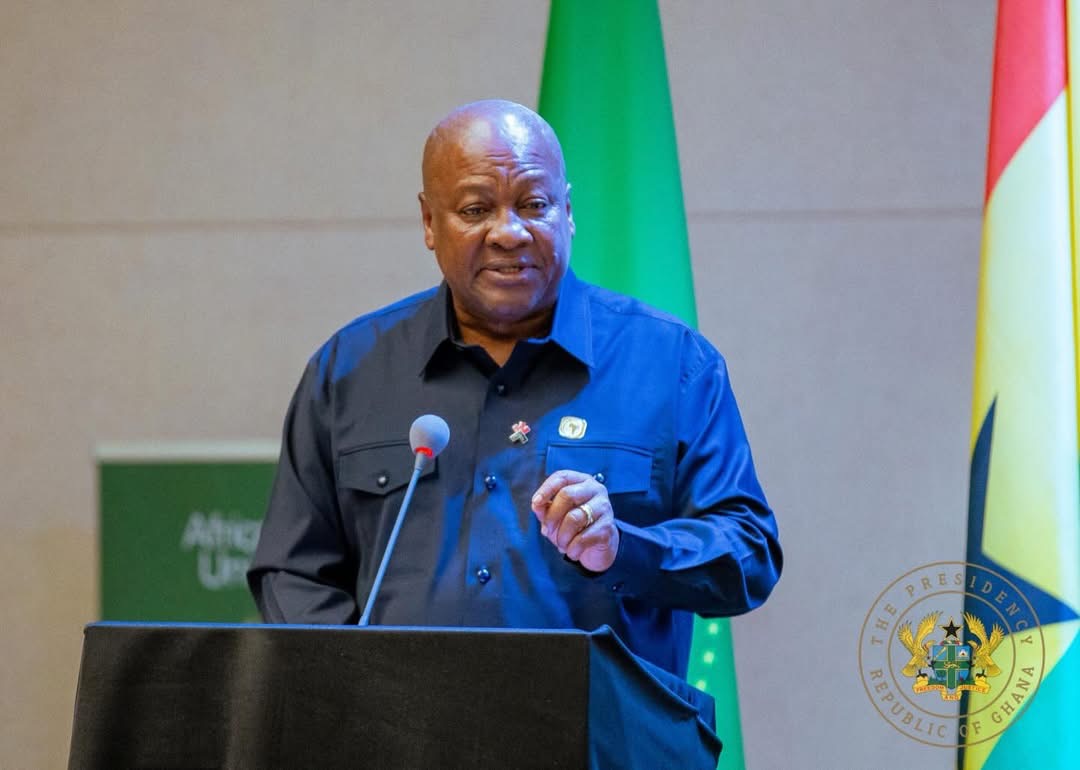
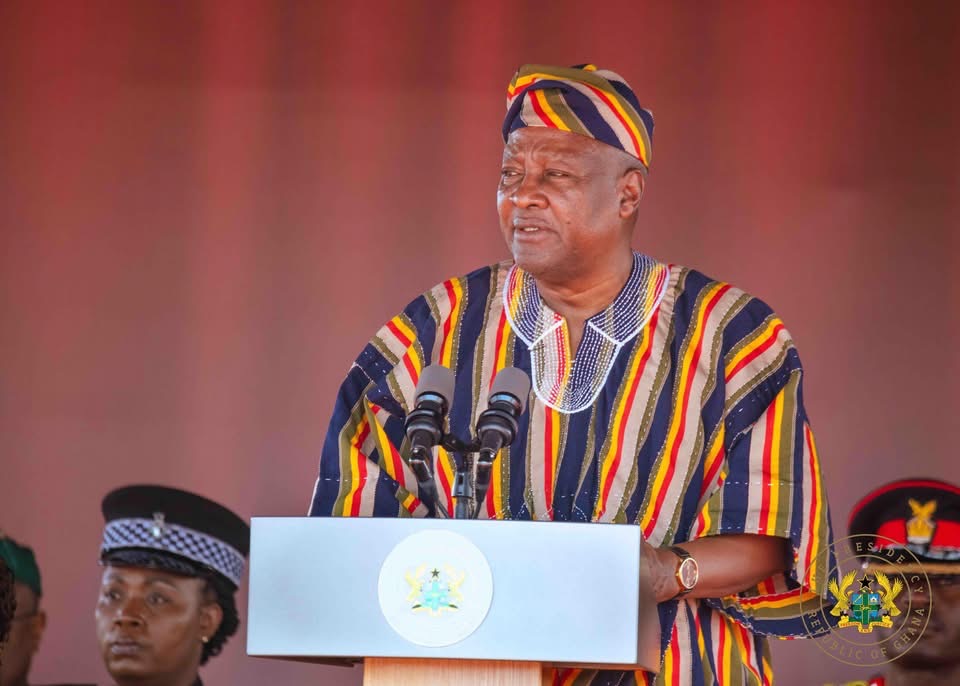
Speaking during his national address to mark Ghana’s 69th Independence Day celebration at Jubilee House in Accra, the president revealed that he has assented to the 24-Hour Economy Authority Bill, describing it as a major step toward transforming Ghana’s productivity and job creation.
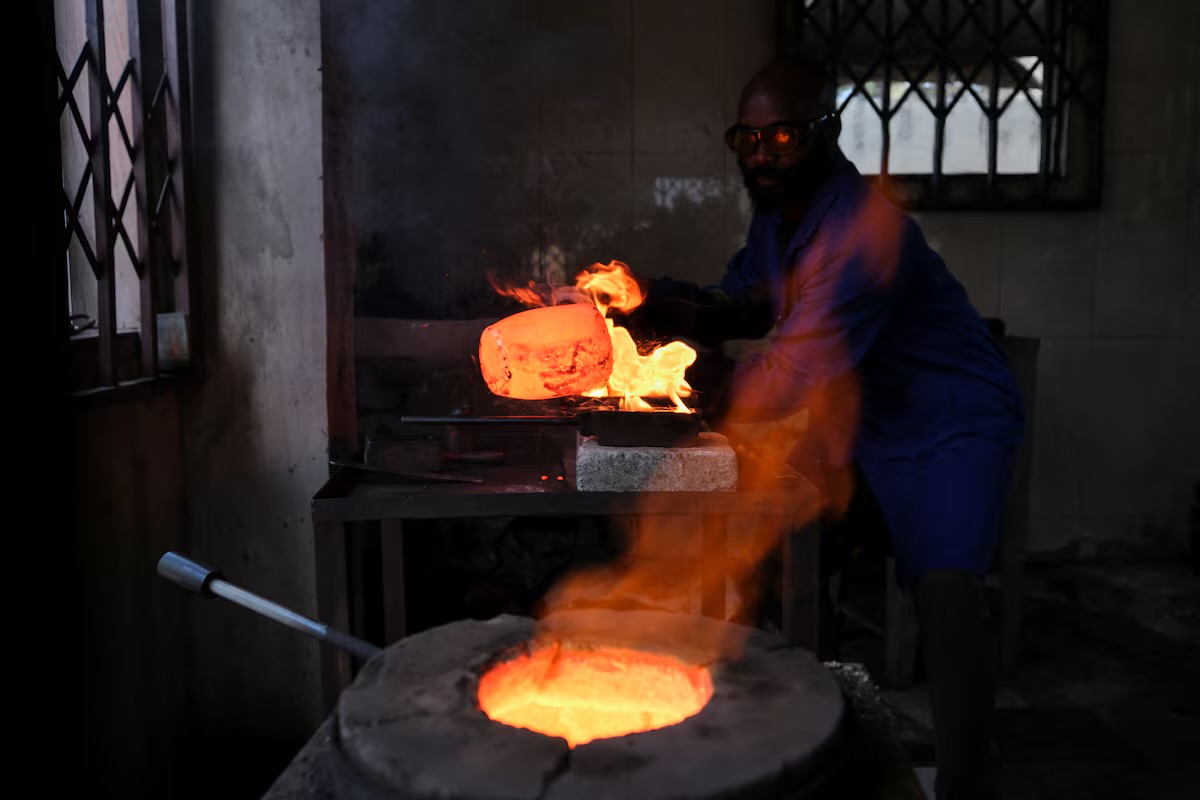
According to him, the initiative is designed to encourage businesses to operate in multiple shifts so that factories, logistics systems and service providers can function around the clock.
“I am pleased to announce that I have assented to the 24-Hour Economy Authority Bill, and it has now become law. This historic reform will boost Ghana’s productivity. Businesses will be incentivised to run across multiple shifts. Factories will operate around the clock, and services will become more accessible,” President Mahama said.
He added that the programme is expected to create thousands of new jobs across several sectors, including manufacturing, logistics, security and transportation.
The president explained that government has already begun implementing the broader 24-Hour Economy and Accelerated Export Development Programme, which was launched in 2025 as one of the administration’s flagship economic policies. The initiative aims to stimulate continuous economic activity, strengthen value chains, increase exports and generate quality employment in agriculture, manufacturing, logistics and services.
A major milestone was reached on February 6, 2026, when Parliament passed the 24-Hour Economy Authority Bill, providing the legal and regulatory framework needed for the full rollout of the programme. The new authority will coordinate implementation, track performance and facilitate partnerships between government and the private sector.
To kick-start the programme, government has allocated GH¢110 million in the 2026 national budget to support the initial phase of implementation. The funds will be used to provide incentives for businesses willing to extend operating hours and to support investments in infrastructure needed for continuous production.
Government also plans to partner with key financial institutions such as the Development Bank Ghana and the Ghana Infrastructure Investment Fund to mobilise private investment for industrial parks, logistics systems, infrastructure and digital platforms required for a round-the-clock economy.
The policy is also expected to tackle long-standing structural challenges in Ghana’s economy, including underutilised production capacity and limited industrial activity outside traditional working hours.
As part of the implementation process, the government has already undertaken several industrial visits and project launches aimed at boosting local production and job creation.
Earlier this year, President Mahama and officials from the Trade Ministry visited the Special Economic Zone where they inspected a textile manufacturing plant employing more than 1,000 workers, the majority of them women.
The president also broke ground for a modern poultry, meat and feed processing plant in Bechem under the Nkoko Nketenkete project, a facility expected to strengthen local poultry production and reduce reliance on imports.
Other developments include the commissioning of three factories at B5 Plus, the expansion of a ceramic tile factory and a sanitary ware plant, as well as the groundbreaking for Ghana’s first modern glass manufacturing facility aimed at boosting local industrial capacity.
Government has also commissioned a calcium clay cement plant to reduce dependence on imported clinker and recently inaugurated a pasta manufacturing facility by Olam Agri Ghana.
Economists say extending production hours could significantly improve productivity in sectors such as agro-processing, manufacturing and logistics, where expensive infrastructure often remains idle after standard working hours.
President Mahama noted that beyond boosting productivity, the initiative will also help address youth unemployment by opening up new employment opportunities across multiple industries.
“This is about building prosperity and restoring hope through concrete action,” he said.
The 24-Hour Economy programme forms a key part of the government’s broader economic reset agenda, which also includes fiscal reforms, debt restructuring and policies aimed at restoring macroeconomic stability following Ghana’s recent economic crisis.
However, analysts say the long-term success of the policy will depend largely on strong private sector participation, adequate infrastructure and effective coordination among government institutions responsible for regulation and implementation.