

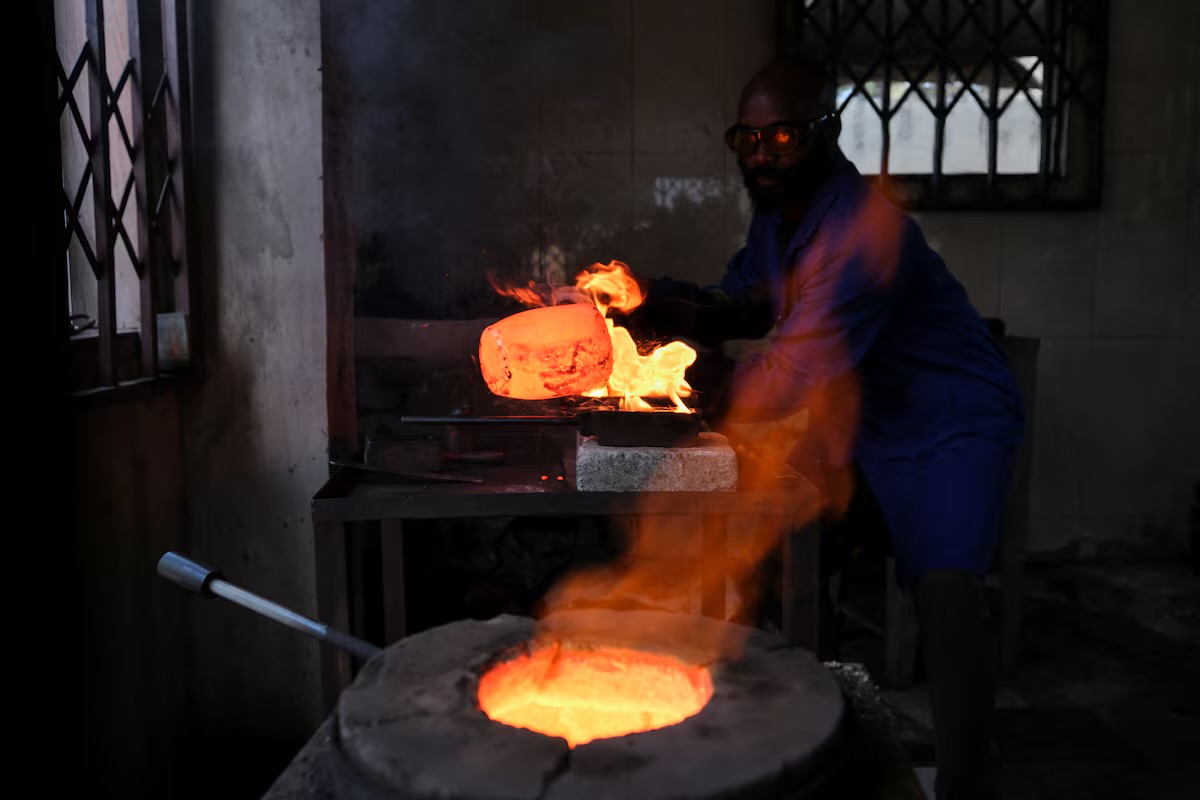
A growing call is being made for Ghanaians to rally behind the government as it pushes for reforms to the country’s gold royalty structure, a move supporters say could secure a fairer share of the nation’s mineral wealth.
For years, critics including journalists, civil society organisations and outspoken citizens have questioned Ghana’s fixed five percent (5%) royalty rate paid by mining companies. Many argued that the arrangement did not adequately reflect the true value of the country’s gold resources and repeatedly called on government to review the policy.
Those calls appear to have been heard.
The government has now proposed a new gold royalty framework with a sliding scale ranging from five percent (5%) to twelve percent (12%), a system supporters say will better align royalties with market realities and ensure Ghana benefits more from its natural resources.
Proponents of the new policy believe the sliding scale offers a more balanced and equitable approach, particularly at a time when global gold prices continue to fluctuate. Under such a system, the country could receive higher royalties when gold prices rise, improving national revenue and strengthening the economic benefits derived from the mining sector.
However, the proposed reform has reportedly met resistance from powerful international mining interests and some external organisations. These groups are said to be pushing back against the changes, raising concerns about their potential impact on investment and industry operations.
The pushback has sparked a wider national conversation about whether Ghanaians should stand behind the government as it attempts to negotiate what many describe as a better and fairer deal for the country.
Advocates of the reform argue that the moment represents more than a policy debate. According to them, it is a test of Ghana’s resolve to protect its national interests and ensure that the wealth generated from its natural resources benefits both present and future generations.
Some have also drawn inspiration from the country’s national anthem, particularly the line urging citizens to “resist oppressors’ rule with all our will and might for evermore.” For many, the message is clear: patriotism should extend beyond words to active support for policies that strengthen Ghana’s economic independence.
Supporters believe that initiatives like the 5% to 12% sliding royalty scale could mark an important step toward ensuring that Ghana receives a fairer share of its mineral wealth while reinforcing the country’s position in global resource negotiations.
They also argue that such reforms have the potential to inspire broader discussions across Africa about how resource-rich nations can negotiate more equitable agreements with multinational companies.
For some of the very voices that once criticised the 5% fixed royalty rate, the government’s decision to introduce the proposed changes is being seen as a bold and commendable step. As a result, they believe it is now time for citizens to support efforts aimed at reshaping how Ghana benefits from its gold resources.
As the debate continues, many observers say the issue represents a defining moment for Ghana one that could influence how the country manages its natural wealth and positions itself in the global mining industry.
For supporters of the reform, the message is simple: when national interests are at stake, citizens must stand up and be counted.
God bless our homeland Ghana.
Source: ghanaweb.com