
As Ghana prepares to exit its programme with the International Monetary Fund, government is laying the groundwork for a new era of homegrown economic discipline aimed at safeguarding macroeconomic stability and sustaining investor confidence.
In a significant policy move, the government has announced plans to establish an Independent Fiscal Council to strengthen domestic financial oversight once the country transitions from IMF-backed support to full local control of its fiscal affairs.
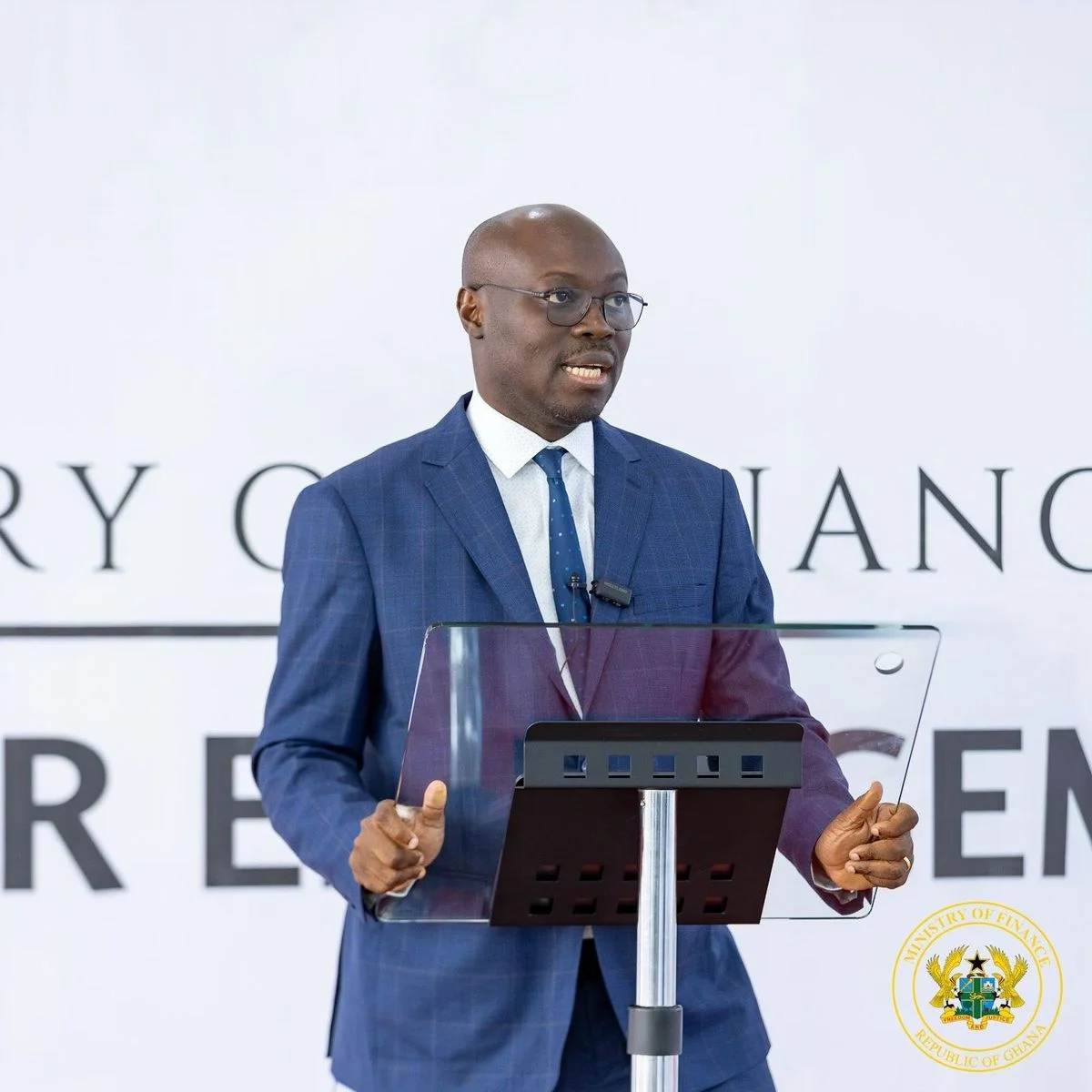
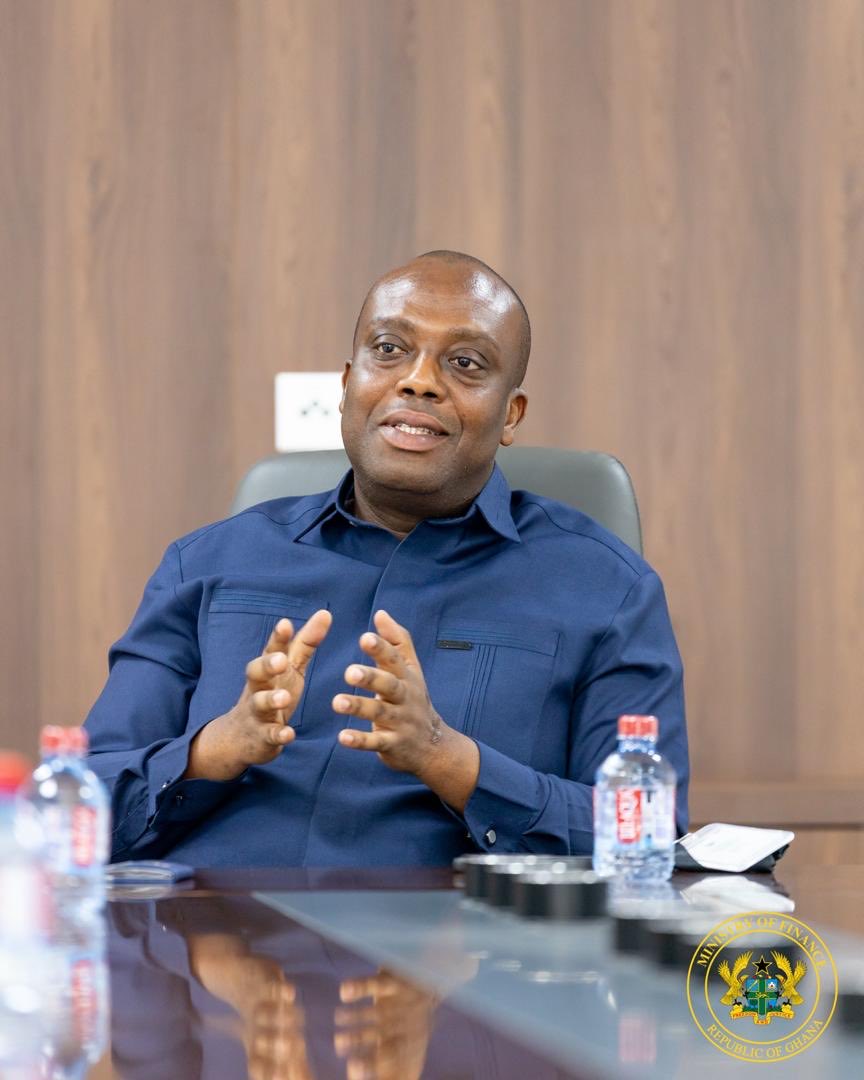
The announcement was made by Deputy Finance Minister, Thomas Nyarko Ampem, during a courtesy call by Emmanuelle Boulestreau, Head of the Regional Economic Department of France for Nigeria and Ghana, and Julien Frioux, Head of the French Economic Department at the French Embassy in Ghana. Discussions centered on strengthening economic cooperation between Ghana and France, with particular emphasis on regional development and expanding trade and investment opportunities.
According to Mr. Ampem, the proposed council will come into force after Ghana formally exits the IMF programme, reinforcing local ownership of fiscal management and ensuring that discipline does not wane once external oversight ends. He explained that the council will be composed of locally appointed members tasked with providing independent advisory support on fiscal policy, financial controls and budgetary decisions.
The move reflects a deliberate shift from reliance on external conditionalities toward building robust internal institutions capable of promoting transparency, accountability and sustainability in public financial management. By institutionalizing fiscal prudence, government hopes to embed long-term stability within Ghana’s governance framework.
Mr. Ampem expressed confidence in the country’s recovery trajectory, noting that IMF programme targets remain on track and key macroeconomic indicators are showing improvement. He revealed that inflation has declined to 3.8 percent, describing the development as a significant milestone after years of economic pressure marked by high prices and fiscal strain.
He attributed part of the recovery to strong international partnerships, including support from France, and emphasized that continued collaboration would be crucial in consolidating gains made under the IMF-supported reforms. The Independent Fiscal Council, he stressed, is not merely a governance reform but a strategic step to maintain policy credibility and strengthen investor trust in the post-IMF period.
On her part, Ms. Boulestreau reaffirmed France’s commitment to Ghana’s development, particularly in infrastructure and energy. She highlighted the potential for French businesses to expand their footprint in Ghana’s growing economy and contribute meaningfully to job creation and economic transformation.
France has long been a key development partner, supporting projects across multiple sectors. The renewed engagement signals confidence in Ghana’s reform path and economic rebound, while opening avenues for deeper bilateral cooperation.
Globally, independent fiscal councils are recognized as best-practice institutions that provide objective analysis of government budgets, monitor compliance with fiscal rules and enhance transparency in public finances. If effectively structured and shielded from political interference, Ghana’s proposed council could serve as a stabilizing force, helping to guard against fiscal slippages and ensuring that hard-won economic gains are preserved.
As Ghana approaches life beyond IMF support, the success of the Independent Fiscal Council will ultimately depend on its independence, credibility and technical capacity. But its establishment sends a clear signal: fiscal discipline is intended to remain a permanent pillar of Ghana’s economic management strategy, not a temporary measure tied to external supervision.