

Ghana’s fisheries sector is entering a new phase of reform as the Fisheries Commission and the Ministry of Fisheries and Aquaculture Development (MoFAD) step up efforts to implement the Fisheries and Aquaculture Act, 2025 (Act 1146).
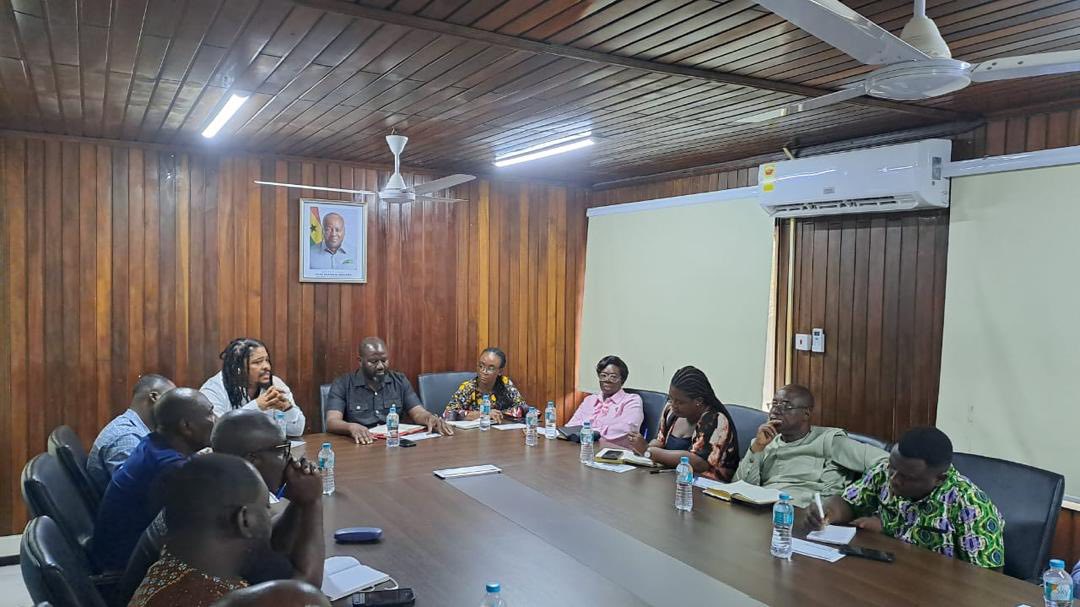
At a high-level stakeholder meeting held at the Commission’s Head Office in Accra, key industry players gathered to discuss how the new law will reshape the country’s marine and aquaculture space. Among those present were representatives of the Ghana Industrial Trawlers Association (GITA), the National Fisheries Association of Ghana (NAFAG), and the Ghana Federation of Rural Artisans (GFRA).
Officials described the engagement as part of a broader push to transition Ghana toward a more sustainable and law-governed blue economy. Discussions focused on implementing the new Act, extending the Inshore Exclusive Zone (IEZ), tightening gear restrictions, and regulating operational activities at sea.
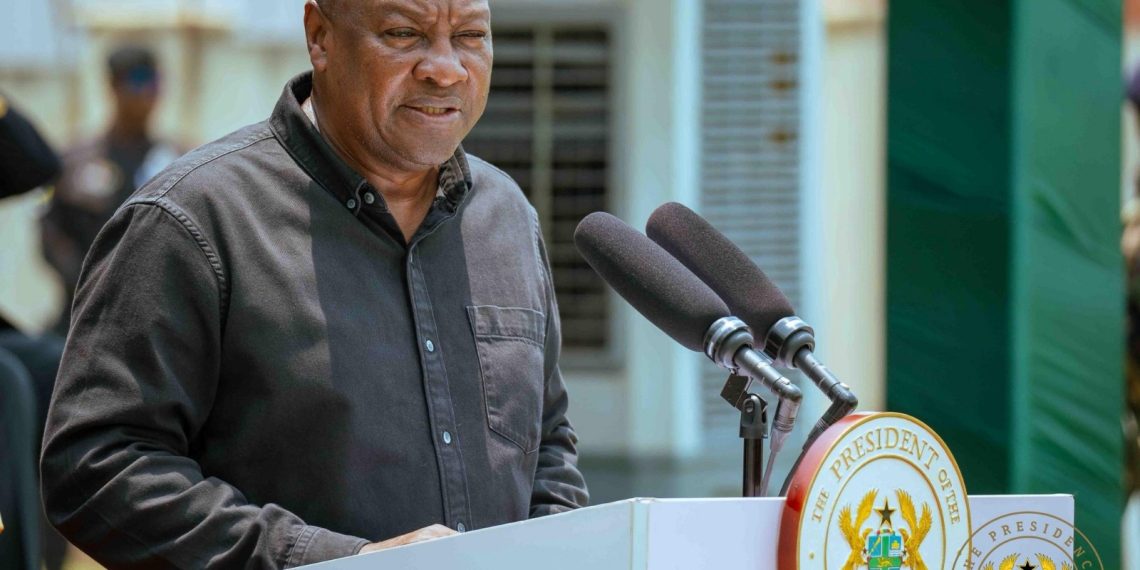
The Fisheries and Aquaculture Act, 2025 was signed into law by President John Dramani Mahama in August 2025. It is widely seen as a strategic reset for a sector that plays a critical role in national food security and supports the livelihoods of more than three million Ghanaians.
According to the Fisheries Commission, the reforms are designed not only to restore depleted fish stocks but also to safeguard Ghana’s estimated $425 million in annual seafood exports. Authorities have been under pressure to strengthen oversight and avoid potential international sanctions, including the risk of a European Union “red card” over illegal, unreported and unregulated fishing.
A major highlight of the new reforms is the extension of the Inshore Exclusive Zone from six nautical miles to twelve nautical miles. The move effectively doubles the protected coastal area reserved for artisanal fishers.
For years, small-scale fishers have raised concerns about industrial vessels encroaching into inshore waters and engaging in destructive practices such as “saiko” fishing. By expanding the IEZ, the Ministry aims to protect breeding grounds for small pelagic species, which serve as an essential source of protein for millions of households.
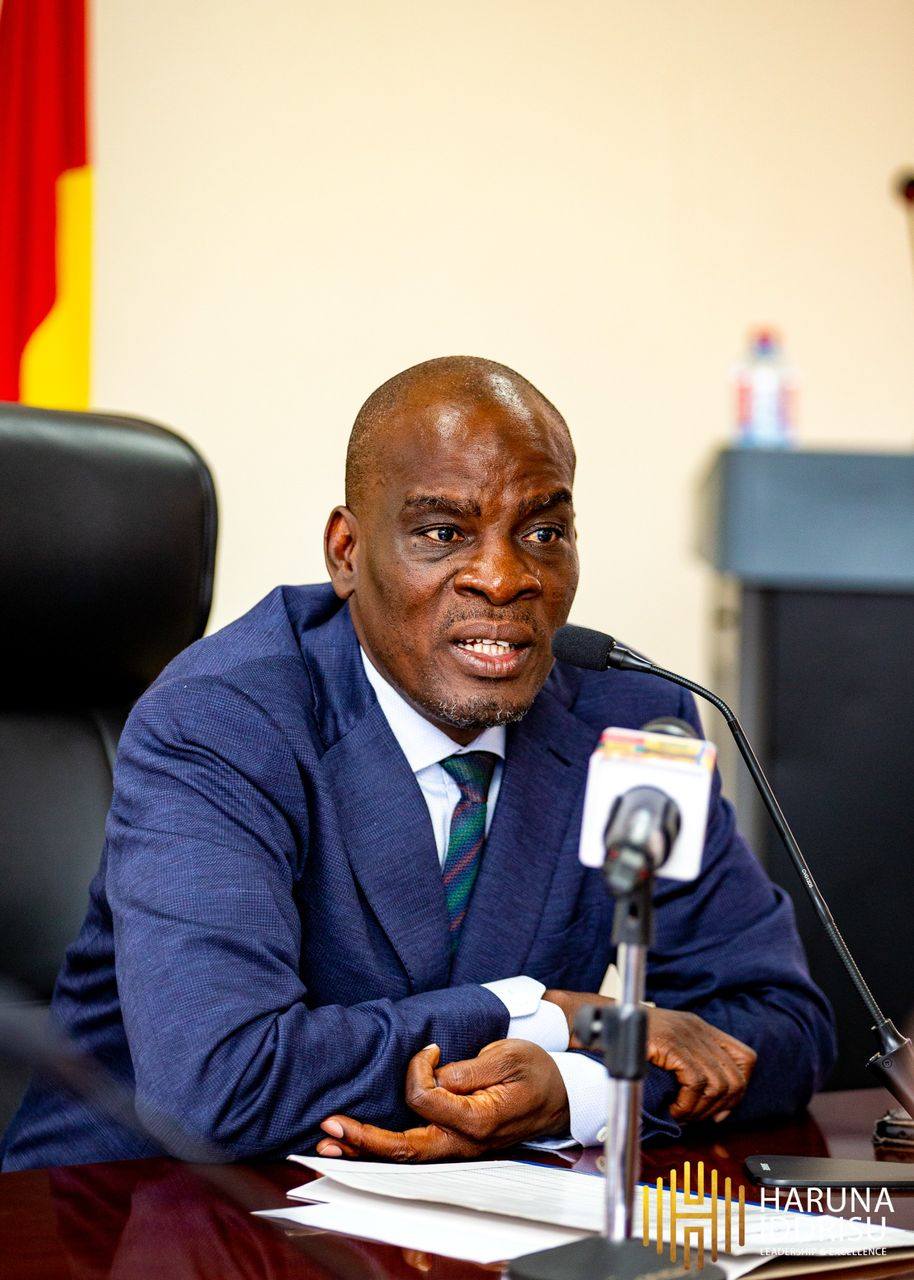
While artisanal fishers have welcomed the extension as a long-awaited measure for fairness and sustainability, some industrial operators expressed concerns about the operational and financial implications of moving further offshore. However, Minister for Fisheries, Hon. Emelia Arthur, defended the decision, describing it as a scientific necessity to allow overfished stocks to recover.
Beyond the IEZ expansion, the Act introduces stricter gear regulations and mandates the installation of Electronic Monitoring Systems (EMS) on all industrial vessels. The updated framework classifies the use of unapproved nets, light fishing, and explosives as serious offences, with significantly stiffer penalties.
The Commission explained that the new gear regulations are aimed at reducing the capture of juvenile fish and ensuring that only mature, commercially viable stocks are harvested. Officials believe compliance with these measures is essential to restoring marine biodiversity and rebuilding trust in Ghana’s fisheries management system.
The reforms also signal a shift toward co-management, blending traditional knowledge from chief fishermen with modern surveillance tools such as satellite monitoring. Additionally, the Act establishes an autonomous Fisheries Commission, giving it greater independence to enforce regulations without political interference.
As preparations continue for the full rollout of Act 1146, authorities say transparency will remain a cornerstone of the process. The law requires the publication of vessel license lists and beneficial ownership details, a move intended to ensure that only legitimate operators are allowed to fish in Ghanaian waters.
With these sweeping reforms, Ghana is seeking to balance economic interests with environmental sustainability a move many believe is crucial for the long-term survival of the country’s fisheries sector.