

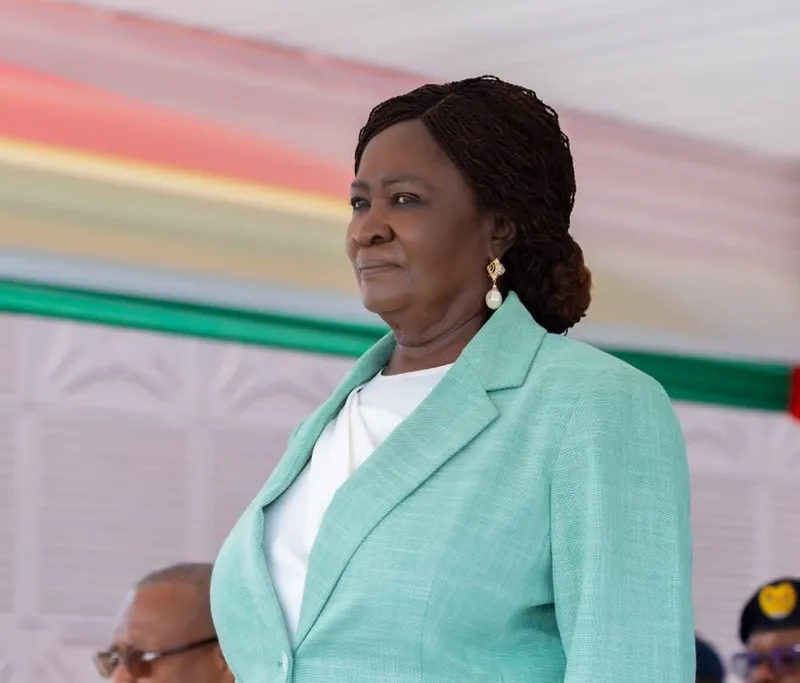
Vice President Professor Jane Naana Opoku-Agyemang has launched a five-year Presidential Initiative on Maternal Health Emergency Response (PRIMER) to strengthen emergency care for pregnant women and reduce preventable maternal deaths in Ghana.
The initiative was launched in Accra on Monday on behalf of President John Dramani Mahama, bringing together government officials, development partners, health professionals, traditional and religious leaders, civil society organisations and community representatives.
The initiative seeks to tackle the social, economic and health-system challenges that continue to prevent women from receiving timely maternal healthcare.
Minister for Gender, Children and Social Protection, Dr Agnes Naa Momo Lartey, said her ministry would support PRIMER by addressing the inequalities and vulnerabilities that make it difficult for some women and girls to access healthcare.
She said women should not be unable to seek medical attention because they lack information, money, permission or the confidence to make decisions about their own health.
According to Dr Lartey, the ministry will strengthen gender-responsive interventions aimed at improving women’s welfare, access to information, economic empowerment and participation in household and community decision-making.
She also highlighted the risks faced by adolescent girls, particularly those affected by poverty, child marriage, school dropout and limited access to sexual and reproductive health information and services.
Dr Lartey said protecting girls from child marriage, violence and exploitation would be an important part of efforts to improve maternal health outcomes.
She added that the ministry would work with relevant institutions and partners to keep girls in school, promote their empowerment and address the social and economic conditions that increase their risk of early pregnancy.
Dr Lartey further noted that financial difficulties often influence how quickly vulnerable women seek healthcare. Costs associated with transportation, food, medicines and childcare, she said, could discourage families from seeking medical attention when it is needed.
She therefore stressed the importance of social protection programmes in easing these economic pressures and helping vulnerable households access essential health services.