

Ghana’s artisanal and small-scale mining (ASM) sector is on track to deliver another record-breaking year, with the Ghana Gold Board (GoldBod) projecting that gold purchases in 2026 could match or even exceed last year’s historic output.
GoldBod Chief Executive Officer Samuel Gyamfi disclosed that the Board had purchased between 50 and 54 metric tonnes of gold from the ASM sector during the first six months of 2026. If that pace continues, the sector is expected to surpass the record 104 metric tonnes produced in 2025.
“We are around 50 to 54 metric tonnes this year,” Mr. Gyamfi told reporters, adding that Ghana was well positioned to meet or exceed last year’s production levels.
The strong performance reinforces the growing importance of artisanal mining to Ghana’s economy. In 2025, the ASM sector overtook large-scale mining as the country’s biggest source of gold production for the first time, highlighting its expanding role in driving exports and generating foreign exchange.
According to Mr. Gyamfi, GoldBod generated nearly US$11 billion in foreign exchange from artisanal and small-scale gold exports last year, compared with about US$9 billion from the large-scale mining sector.
The figures underscore why the government has intensified efforts to formalise the sector, reduce gold smuggling and ensure more production passes through official trading and export channels.
Gold remains Ghana’s leading export commodity and a major source of foreign exchange. Increased official gold purchases are expected to strengthen the country’s reserves, improve dollar liquidity and provide additional support for the cedi as the economy continues its recovery.
Despite recent fluctuations in global gold prices, GoldBod remains optimistic about the sector’s outlook. Mr. Gyamfi said the Board’s projections were based on weekly purchases of about 2.5 metric tonnes and an average gold price of around US$5,000 per ounce.
Although prices have softened in recent weeks, he noted that average gold prices remain higher than they were in 2025, meaning Ghana is still likely to record stronger export earnings this year if production levels remain on course.
The expected increase in gold exports could provide an important cushion for Ghana’s external sector at a time when many developing economies continue to face global economic uncertainty and volatile commodity markets.
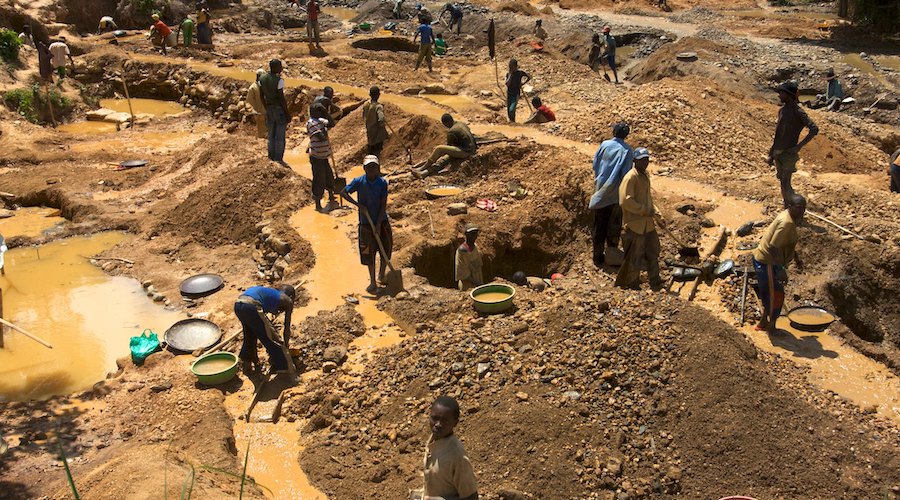
However, the rapid expansion of artisanal mining continues to present significant challenges.
While the sector supports thousands of livelihoods and contributes substantially to export earnings, it is also linked to illegal mining, environmental degradation, deforestation and the pollution of rivers and other water bodies.
The growing dominance of small-scale mining is therefore expected to increase pressure on regulators to strengthen oversight and ensure that production growth does not come at the expense of the environment.
GoldBod’s efforts to formalise the industry are aimed at promoting responsible mining practices, improving traceability and increasing transparency across the gold value chain. Authorities believe that stronger regulation will help curb illegal activities while ensuring Ghana captures greater economic value from its gold resources.
Analysts say the country’s long-term success will depend not only on maintaining strong production but also on balancing economic gains with environmental protection and effective governance.
If current trends continue, 2026 could become another landmark year for Ghana’s gold industry, further cementing artisanal and small-scale mining as a key pillar of the country’s export performance and foreign exchange earnings.