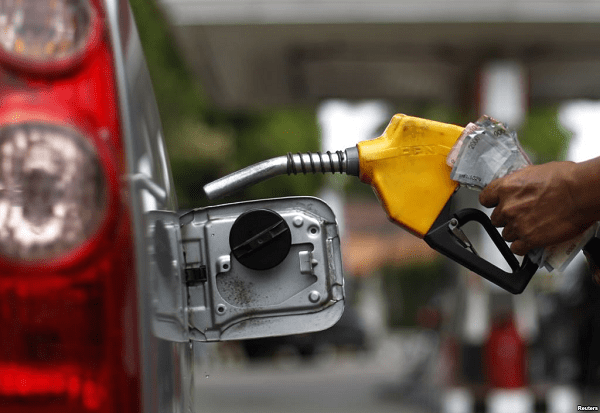
Fuel prices are set to increase from Thursday, July 16, after the National Petroleum Authority (NPA) revised the minimum prices at which petroleum products can be sold across the country.
Under the new pricing floor, petrol will sell for no less than GH¢13.28 per litre, up from GH¢12.79, while diesel will have a minimum price of GH¢14.35 per litre, compared to the previous GH¢13.54. The adjustments represent increases of 3.83% for petrol and 5.98% for diesel.
The revised prices mean that no Oil Marketing Company (OMC) or LPG Marketing Company (LMC) can sell below the approved thresholds during the current pricing window. Retailers currently charging lower prices will therefore be required to increase them from July 16.
The latest adjustment comes as a surprise to many consumers, particularly after the Chamber of Petroleum Consumers (COPEC) had projected that fuel prices could decline during the pricing window. COPEC’s expectation was based on the relative stability of the Ghana cedi and the absence of significant increases in international refined fuel prices over the past two weeks.
Instead, the NPA’s revised price floor points to higher costs at the pumps, raising concerns about the impact on households and businesses.
The increase is expected to have wider implications for the economy, especially because fuel prices influence transportation costs, food distribution, logistics and the prices of goods and services.
The rise in diesel prices is likely to be felt most by commercial transport operators, haulage companies, construction firms, farmers and mining service providers, all of whom rely heavily on diesel-powered equipment and vehicles. Higher operating costs could eventually be passed on to consumers through increased transport fares and higher prices for essential goods.
The NPA introduced the petroleum price floor policy in April 2024, arguing that it was necessary to prevent unfair price undercutting, promote stability in the downstream petroleum sector and ensure fair competition among industry players.
According to the Authority, the policy is intended to discourage destructive pricing practices that could undermine smaller operators and affect service quality.
However, the policy has continued to attract criticism from consumer groups and some market observers, who argue that it weakens competition by preventing fuel retailers from offering lower prices even when they can do so efficiently.
Critics say that in a fully deregulated market, companies with lower operating costs should be able to reduce prices to attract customers, allowing consumers to benefit from competition. A regulatory price floor, they argue, limits those benefits.
The latest adjustment is also expected to renew debate over whether the current pricing framework strikes the right balance between protecting the petroleum industry and safeguarding consumers.
While the NPA maintains that the minimum pricing policy supports market stability, many consumers are likely to question why fuel prices are rising at a time when market conditions had raised hopes of some relief.
With fuel prices playing a key role in inflation and the overall cost of living, the July 16 increase will be closely watched by businesses, transport operators and households alike as they assess its impact on the economy.