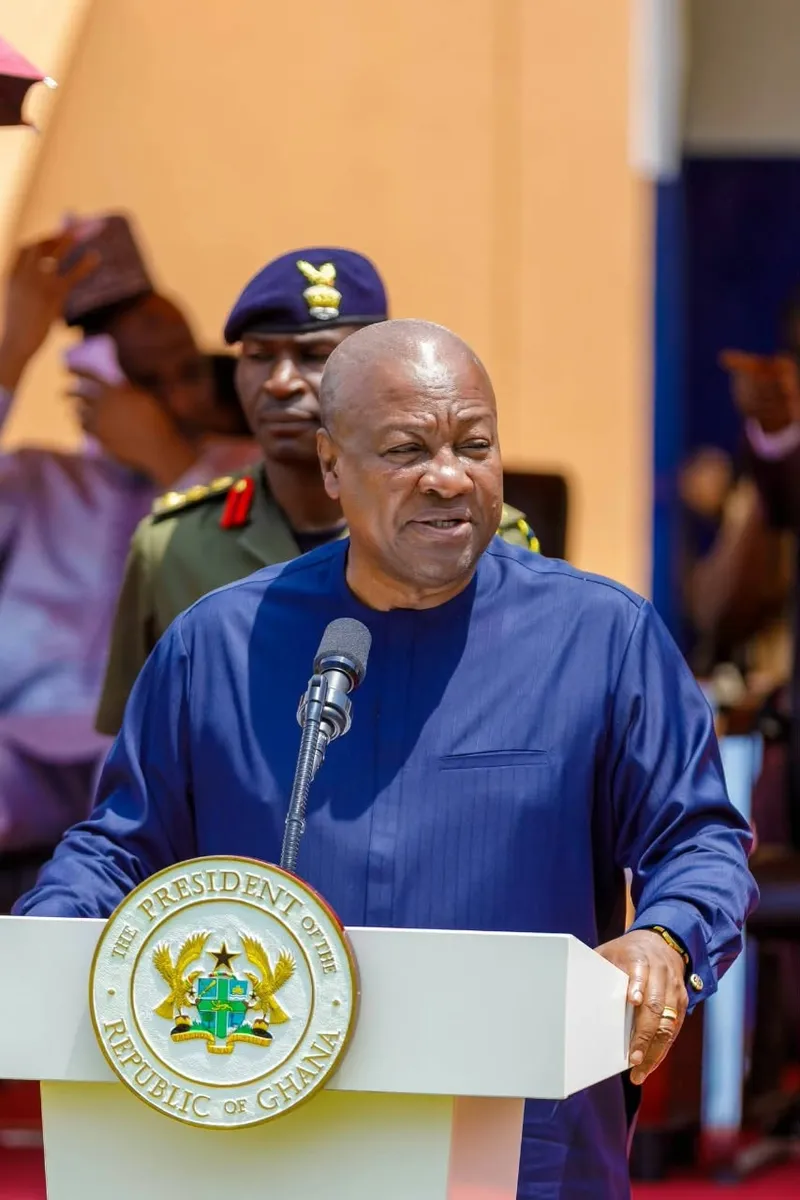

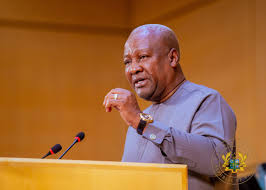
President John Dramani Mahama has issued a strong warning to chief executives of state-owned enterprises (SOEs), stating that any head of a public institution who fails to submit audited accounts and annual reports within the deadline set by the State Interests and Governance Authority (SIGA) risks dismissal.
Speaking during a diaspora town hall meeting on Sunday, May 31, the President said government was intensifying efforts to improve accountability and strengthen oversight of state-owned enterprises as part of broader public sector reforms.
According to him, some state institutions have operated for years without presenting audited financial statements or annual reports, a situation he described as unacceptable and detrimental to effective governance.
President Mahama stressed that poorly managed SOEs often become a burden on the state, as persistent losses and inefficiencies eventually translate into financial liabilities that must be absorbed by government.
To address the problem, he revealed that the submission of audited accounts and annual reports has been incorporated into the key performance indicators (KPIs) of chief executives of state-owned enterprises.
“We found out that some state-owned enterprises had not presented annual reports or audited accounts for seven years. I mean, who runs an organisation like that for seven years without audited accounts and annual reports?” he questioned.
He added that SIGA has already set a deadline for compliance and warned that executives who fail to meet the requirement would be removed from office.
“I’ve told the CEOs that SIGA has set a deadline, I think by the middle of this year. If you have not presented your audited accounts and you have not presented your annual report, the road is your face, you go home,” the President stated.
The directive signals a tougher approach to governance within state-owned enterprises, many of which have faced criticism over weak financial reporting, poor oversight, mounting losses and procurement-related concerns.
Beyond meeting administrative requirements, audited accounts play a critical role in revealing the true financial health of public institutions, including their assets, liabilities, profitability and cash flow position. Timely reporting also enables government to identify fiscal risks and determine whether state enterprises are contributing to national development or draining public resources.
Despite the challenges, President Mahama expressed optimism that ongoing reforms and increased monitoring were beginning to yield positive results, with some state-owned enterprises showing signs of improved performance.
The renewed push for accountability comes as Ghana seeks to consolidate recent economic gains and reduce the financial burden created by inefficient public-sector institutions. If strictly enforced, the policy could mark a significant shift toward greater transparency and consequences for non-compliance within the SOE sector.