
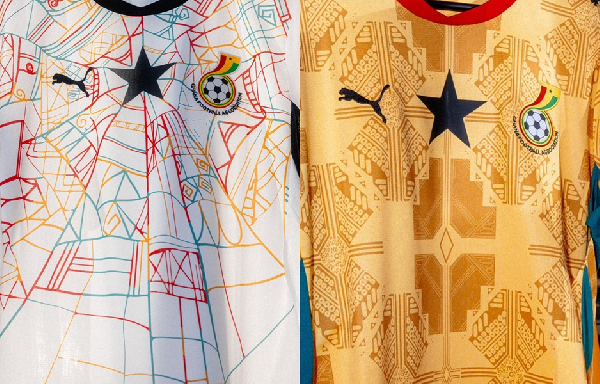
Ghana and Senegal also featured among the most expensive in affordability terms, with their national shirts costing above 30 per cent of a month’s wage. Ivory Coast was listed at around 30 per cent.
In total, seven of the ten least affordable shirts in the index belong to African nations, highlighting how currency weakness, lower formal wages and global kit pricing combine to make national team merchandise far more expensive for African supporters.
The affordability contrast is stark. A fan in DR Congo works almost a full month to buy a national team replica shirt. A fan in Switzerland works less than three hours. Both are buying into the same tournament, but not at the same economic cost.
Retail prices have also risen sharply since the last World Cup. Nike replica shirts for the 2026 tournament retail at £89.99, Adidas at £84.99, while Puma shirts start from £76.99.
Smaller manufacturers are offering cheaper alternatives. Saeta, which supplies Haiti, 7Saber, which supplies Uzbekistan, and Tempo, which supplies Cape Verde, sell replica shirts at less than half the Nike price.
Across Nike’s 2026 World Cup roster, replica pricing has increased by an average of 16.7 per cent compared with Qatar 2022. England’s shirt has risen by about 20 per cent, from £74.95 in 2022 to £89.99 in 2026, making it the most expensive England team shirt in history.
Puma replica shirts have increased by 25 per cent over the same period.
The report also shows the dominance of major sportswear brands at the tournament. Thirteen manufacturers supply the 48 qualified nations, but three brands control most of the field.
Nike supplies 12 nations, including England, France, Brazil and the United States. Adidas supplies 14 nations, while Puma supplies 11. The remaining 11 teams are split across ten smaller manufacturers.
That concentration matters because global pricing strategies often reflect brand positioning in wealthier markets, even when the same products are sold to fans in economies with far lower wages.
The index used official manufacturer storefront prices collected in May 2026 and compared them with World Bank formal-sector average wage data for 2024. Days of labour were calculated using a 22-day working month, with currency conversions based on mid-market exchange rates as of May 21, 2026.
However, the report notes an important limitation: formal-sector wage averages exclude informal workers, who make up a large share of earners in many lower-income countries. That means the real burden on many fans, particularly in African economies, may be even higher than the index suggests.
For Ghanaian supporters, the findings are likely to resonate strongly. The national team shirt is not merely sportswear; it is a symbol of identity, pride and belonging. But when the cost of that symbol exceeds 30 per cent of a month’s wage, it becomes a luxury for many fans.
The 2026 World Cup will be marketed as the biggest and most inclusive tournament in football history. Yet the shirt index reveals a harder reality: global football’s commercial model still prices many supporters out of full participation.
For the major kit brands, the question is whether global replica pricing can remain disconnected from local purchasing power. For fans, especially in Africa, the cost of wearing national colours has become another measure of football’s widening inequality.