The Government of Ghana has begun reintegration support for Ghanaian nationals evacuated from South Africa following rising anti-immigrant tensions and security concerns in parts of the country.
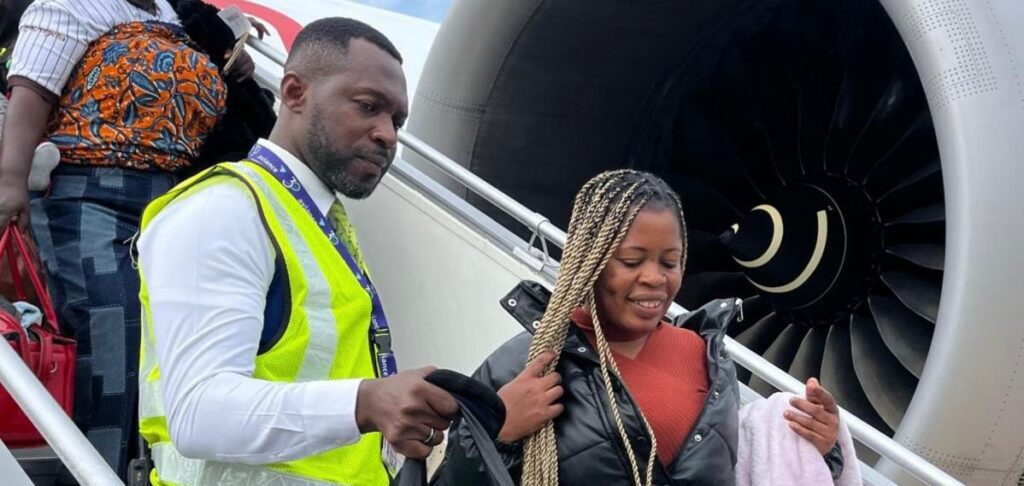
The first batch of about 300 evacuees arrived safely at the Accra International Airport in Accra on Wednesday, May 27, 2026, aboard a government-chartered Ethiopian Airlines flight. The evacuation forms part of an emergency operation launched after reports of escalating xenophobic protests targeting migrants from several sub-Saharan African countries.
A high-level government delegation led by Chief of Staff Julius Debrah and Foreign Affairs Minister Samuel Okudzeto Ablakwa was at the airport to receive the returnees. Also present were Gender Minister Agnes Naa Momo Lartey, officials of the National Disaster Management Organisation (NADMO), and representatives from the Ministry of Foreign Affairs.
Emotional scenes unfolded at the airport as families reunited with loved ones who had spent days uncertain about their safety in South Africa.
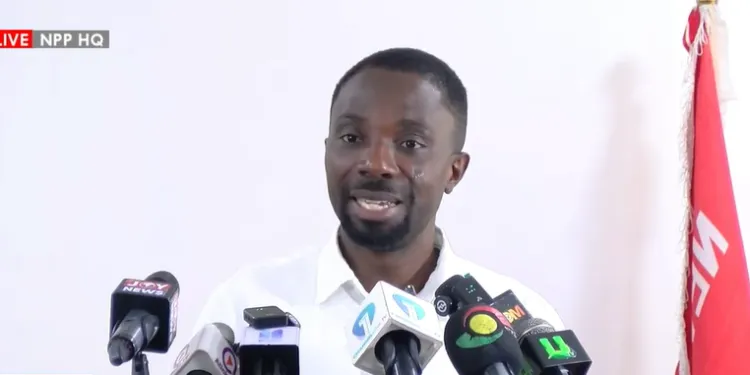
Addressing the evacuees, Hon Ablakwa said the Mahama administration remained committed to protecting Ghanaians abroad and ensuring their dignity and safety wherever they may be.
“Today, the Mahama administration is demonstrating that wherever Ghanaians are, we will make sure you are protected, your dignity is respected, and we will go to the length of this world to bring you back home safely,” he said.
The government has also announced a reintegration package to help the evacuees settle back into life in Ghana. According to the Foreign Affairs Minister, the package includes psychosocial support, medical care, transportation assistance and financial support.
Hon Ablakwa disclosed that President John Dramani Mahama had directed that all evacuees receive two forms of financial assistance a transportation allowance to help them return to their homes and a reintegration package to support their resettlement.
“One for transportation. So there will be a transportation allowance to wherever you live, wherever your homes are, whoever you are going to connect to. And then there will be a reintegration allowance, a special package to help you put your lives back on track,” he stated.
NADMO officials also distributed emergency relief items, including food supplies and other essentials, shortly after the evacuees arrived.
The evacuation exercise was authorised after growing anti-immigrant protests and threats against foreign nationals in parts of South Africa raised concerns among Ghanaian authorities.
Earlier, Ghana summoned South Africa’s envoy over what it described as targeted harassment and threats against Ghanaian citizens living in the country. South African authorities reportedly characterised some of the incidents as isolated criminal acts linked to frustrations over unemployment, but the situation prompted several African countries to issue safety advisories to their citizens.
The evacuation flight was initially scheduled for May 21, 2026, but was delayed after the number of registered citizens increased significantly from about 300 to more than 800, requiring additional logistical arrangements by Ghana’s High Commission in Pretoria.
Government officials say the repatriation exercise is still ongoing as authorities continue to process additional Ghanaian nationals seeking evacuation from South Africa.
A second batch of evacuees is expected to arrive in Ghana on Friday, May 29, 2026, while further flights may be arranged depending on the number of citizens who complete the registration process.
The situation has once again drawn attention to the vulnerability of African migrants in South Africa, where periodic outbreaks of anti-immigrant violence and hostility have continued to raise diplomatic concerns across the continent.
For Ghana, the evacuation effort represents more than a consular intervention. It is also a major test of the country’s ability to protect citizens abroad, coordinate emergency responses and provide meaningful reintegration support for nationals returning home under distressing circumstances.
While the arrival of the first batch has brought relief to many families, authorities say the broader operation is far from over, with hundreds more Ghanaians still expected to be evacuated in the coming days.