

A new World Bank report has found that laws designed to guarantee equal economic opportunities for women are only partially enforced globally, highlighting persistent barriers that prevent women from fully contributing to economic growth. Even with full enforcement, the report notes, women would still access only about two-thirds of the legal rights available to men.
For the first time, the Women, Business and the Law report evaluates not just the existence of gender-equal laws, but also how effectively they are implemented. According to the report, legislation supporting women’s economic participation is enforced at just about 50 percent globally. While many governments have adopted equal-opportunity laws, fewer than half of the policies and institutional mechanisms needed to enforce them are in place. As a result, only 4 percent of women worldwide live in economies that offer near-complete legal equality, limiting overall growth and job creation.
Indermit Gill, Chief Economist and Senior Vice President for Development Economics at the World Bank, said that while most countries perform reasonably well on paper, enforcement lowers their scores significantly. “The average economy scores 67 out of 100 on laws promoting economic equality, but enforcement reduces that score to 53, and when systems to operationalize those rights are assessed, it falls to 47,” he said, pointing to substantial gaps that need urgent attention, especially in developing economies.
The report examines women’s economic participation across ten critical areas, including protection from violence, access to childcare, entrepreneurship, labour rights, asset ownership, and retirement benefits. Safety from violence emerged as a major weakness, with only about one-third of necessary safety laws in place and enforcement failing in roughly 80 percent of cases. Norman Loayza, Director of the World Bank’s Policy Indicators Group, said, “Equality starts with safety. Women must be protected at home, in public spaces, and at work to succeed.”
Tea Trumbic, Manager of the Women, Business and the Law project and lead author of the report, warned that the urgency for reform is growing. She noted that in the next decade, about 1.2 billion young people half of them female will enter the global labour market, many in regions where women face the most severe barriers. “Unlocking opportunities for women in these areas is critical not only for gender equity but for economic growth. Equal opportunity is an economic necessity, not a luxury,” she said.
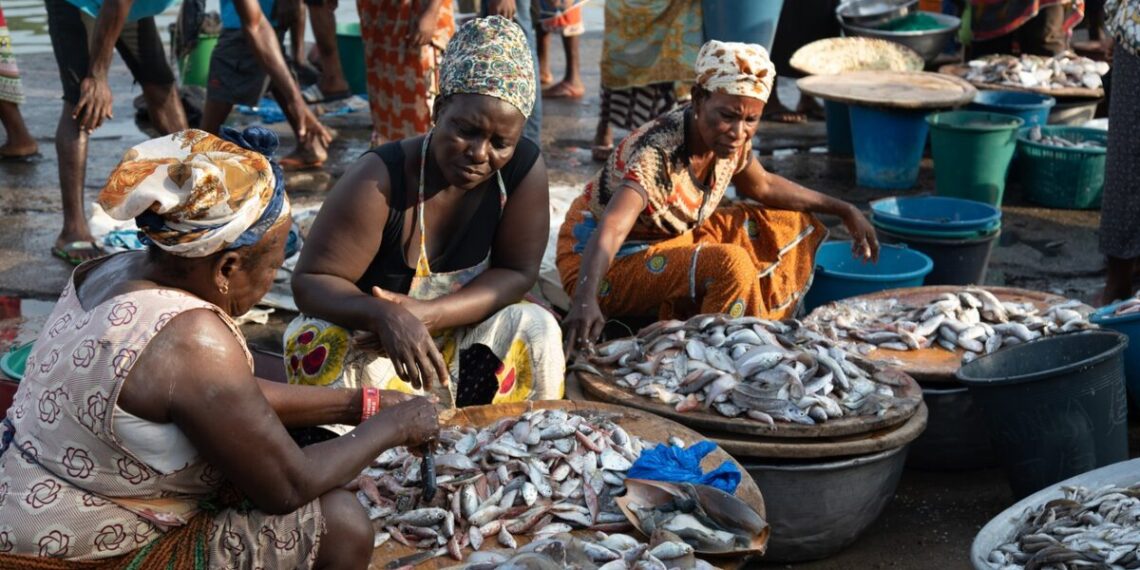
Entrepreneurship was also identified as a weak area. While women are legally allowed to start businesses in most economies, only around half of countries actively promote equal access to credit, limiting financing opportunities for women entrepreneurs. Childcare was highlighted as another critical gap, with fewer than half of the 190 economies surveyed providing financial or tax support for childcare, and only 30 percent ensuring access to affordable, high-quality services. In low-income countries, the figure drops to just 1 percent.
Despite these challenges, the report notes progress in improving gender-equal laws. Over the past two years, 68 economies introduced 113 positive reforms, particularly in entrepreneurship and protection from violence. Seven countries expanded paternity leave to help rebalance caregiving responsibilities and support women’s employment.
Sub-Saharan Africa recorded the most reforms, with 33 changes enacted over the same period. Countries including Madagascar and Somalia removed restrictions preventing women from working in sectors like construction, manufacturing, and agriculture. Egypt, Jordan, and Oman also advanced reforms, with Egypt emerging as the world’s leading reformer by extending paid maternity leave, introducing paid paternity leave, mandating equal pay, and allowing flexible work arrangements.
The report underscores that while legal frameworks for women’s economic participation have improved, enforcement and effective implementation remain critical to unlocking the full potential of women in the global economy.