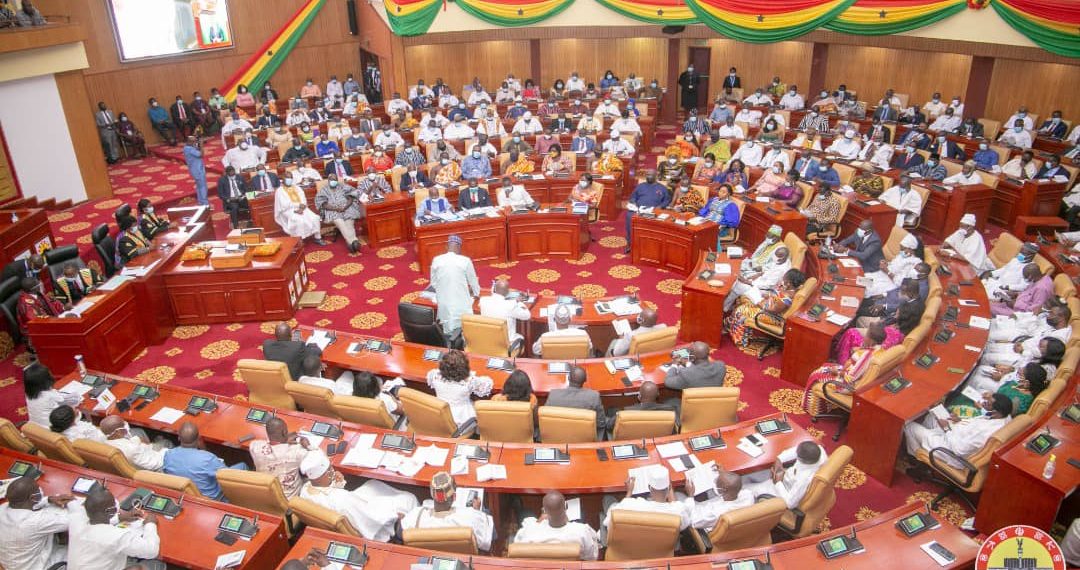

The United Nations General Assembly has formally voted to recognise the enslavement of Africans during the transatlantic slave trade as the “gravest crime against humanity.” The resolution, proposed by Ghana, represents one of the strongest acknowledgements yet by the international community of the scale, brutality, and enduring consequences of a system that uprooted millions of Africans and reshaped the modern world.
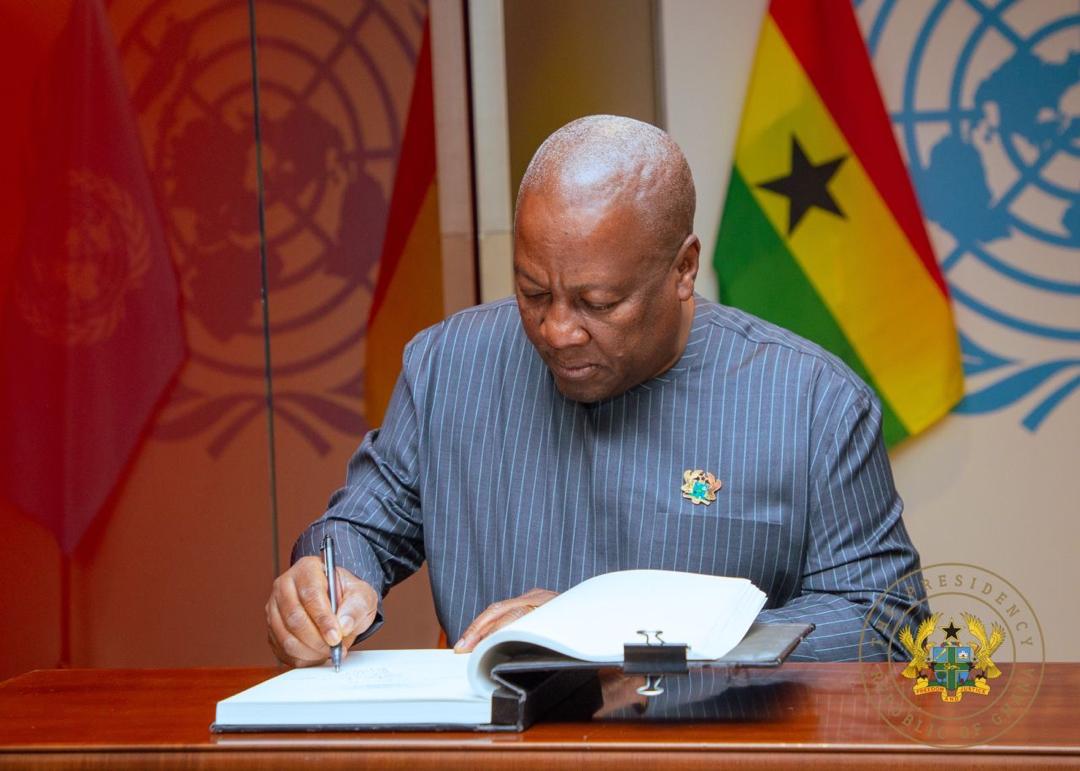
The motion was championed by Ghana’s President, John Dramani Mahama, who presented it before the Assembly on March 25, 2026, during commemorations marking the International Day of Remembrance of the Victims of Slavery and the Transatlantic Slave Trade. In his address, he urged nations to confront the moral weight of history and to move beyond symbolic remembrance toward meaningful action that promotes healing and justice.
At the heart of the resolution is a call for recognition not only of the historical facts of slavery, but of its continuing social and economic consequences. The transatlantic slave trade forcibly displaced millions of Africans across oceans, shattered families and societies, and entrenched systems of exploitation whose effects are still visible today. By designating it the gravest crime against humanity, the Assembly sought to underline both the scale of suffering inflicted and the global responsibility to address its legacy.
The vote demonstrated substantial international support. A total of 123 countries endorsed the resolution, signalling a shared willingness among many nations to acknowledge the past and engage in dialogue about its consequences. The measure also encourages member states to consider issuing formal apologies for their roles in the slave trade and to contribute to a reparations fund aimed at addressing long-term harm. However, it does not specify financial commitments, leaving future discussions to determine what concrete forms reparative justice might take.
Despite the strong backing, the vote was not unanimous. The United States, Argentina, and Israel opposed the motion, while 52 countries chose to abstain. These divisions highlight the political sensitivities that continue to surround the issue, particularly regarding responsibility, reparations, and the implications of formally acknowledging historical wrongdoing on a global stage.
Supporters of the resolution view it as a significant moral and symbolic victory. For many descendants of enslaved Africans, official recognition by the world’s foremost international body affirms that the atrocities of the slave trade are neither forgotten nor diminished. It also strengthens ongoing calls for accountability, reconciliation, and policies that address persistent inequalities rooted in that history.
President Mahama and other advocates argue that the resolution is not about assigning guilt to present generations, but about recognising truth and fostering healing. By encouraging structured dialogue among nations, they hope it will pave the way for cooperative efforts to confront historical injustice while building a more equitable future.