

Transparency International Ghana (TI Ghana) has strongly condemned alleged incidents of vote buying and voter inducement during recent political party primaries, warning that the growing practice poses a serious threat to Ghana’s democratic integrity and electoral credibility.
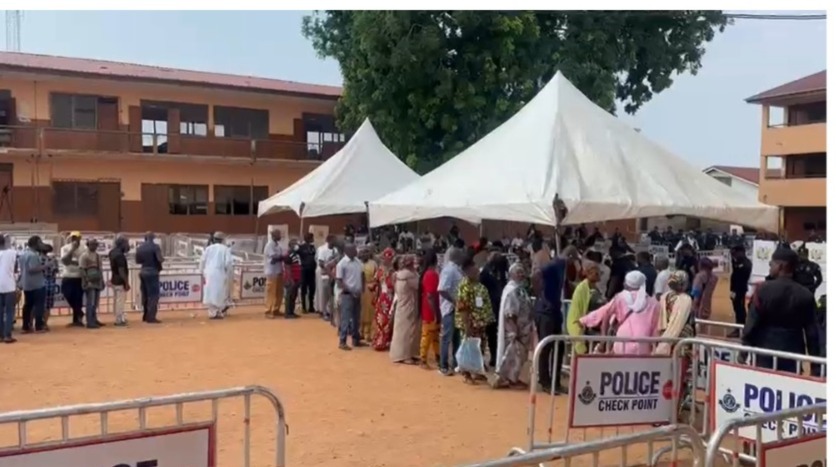
In a statement issued on Monday, February 9, 2026, the anti-corruption watchdog expressed concern over reports of the distribution of high-value items, including television sets, during the just-ended National Democratic Congress (NDC) parliamentary primary in the Ayawaso East Constituency. TI Ghana noted that similar allegations were also reported during the New Patriotic Party’s (NPP) presidential primaries, describing the trend as a worrying escalation in electoral misconduct.
According to the organisation, such actions amount to undue influence and cannot be justified as acts of political goodwill. It stressed that vote buying undermines the principles of free, fair, and transparent elections, while gradually eroding public confidence in Ghana’s democratic processes.
TI Ghana further observed that the increasing normalisation of inducements among sections of the electorate points to deeper structural problems in political party financing and weak ethical standards governing elections. The organisation cautioned that voters who accept or participate in inducements are not only abandoning their civic responsibility but may also be violating the Representation of the People Act, 1992 (PNDCL 284), which criminalises bribery, treating, and undue influence in elections.
The anti-graft body commended President John Dramani Mahama for the swift recall of Ghana’s High Commissioner to Nigeria following allegations linked to the Ayawaso East primary, describing the decision as a positive demonstration of political accountability. It also welcomed the Majority Caucus in Parliament’s call for the annulment of the Ayawaso East primary and the imposition of sanctions on any candidates found culpable.
As part of its recommendations, TI Ghana urged citizens to place national development above personal gain, commit to electing competent leaders, and report credible evidence of electoral corruption to the appropriate authorities. The organisation also called on political parties to strengthen their internal control and monitoring mechanisms to prevent similar occurrences in the future.
Additionally, TI Ghana appealed to the Office of the Special Prosecutor (OSP) to conduct thorough investigations and pursue prosecutions where necessary. It further urged the judiciary to handle electoral corruption cases expeditiously, noting that swift justice would help curb electoral impunity and reinforce accountability within Ghana’s democratic system.