

Ghana could soon face a sharp rise in tomato prices following a decision by authorities in Burkina Faso to suspend the export of fresh tomatoes indefinitely.
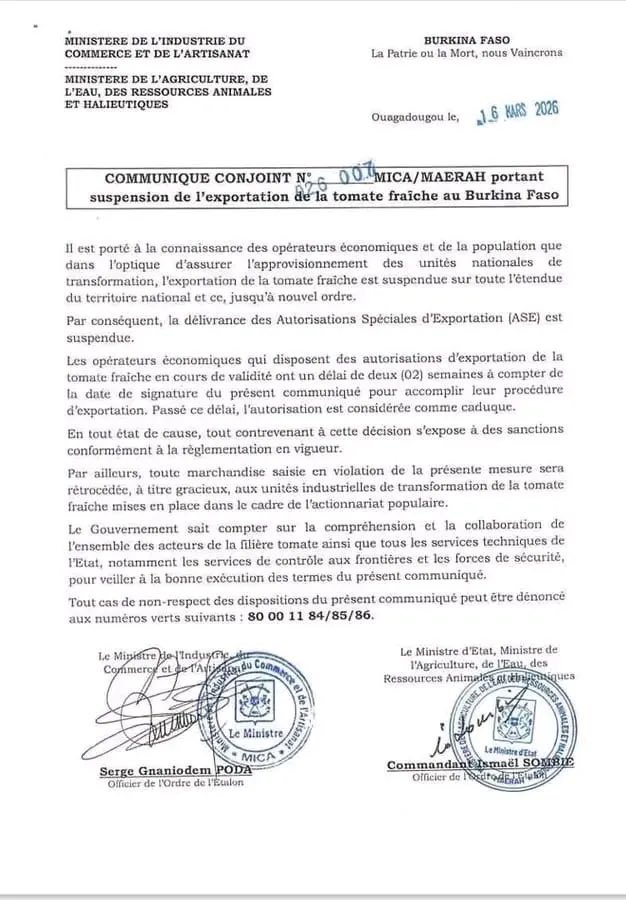
In a joint statement issued in Ouagadougou, the Burkinabè government announced an immediate nationwide ban on tomato exports, explaining that the move is aimed at safeguarding domestic supply for local processing factories. Officials say the restriction will remain in place “until further notice.”
The directive, signed by the country’s ministries responsible for trade and agriculture, also halts the issuance of Special Export Authorisations (ASE), effectively shutting down formal export channels. Traders who already hold valid permits have been given a two-week grace period to complete ongoing shipments, after which all authorisations will be cancelled.
Authorities warned that anyone who violates the order will face sanctions under existing laws. Confiscated tomatoes, the government said, will be redirected to local processing plants to strengthen domestic agro-industrial production. Security agencies and border officials have been instructed to strictly enforce the measure, while citizens have been urged to report any illegal exports.
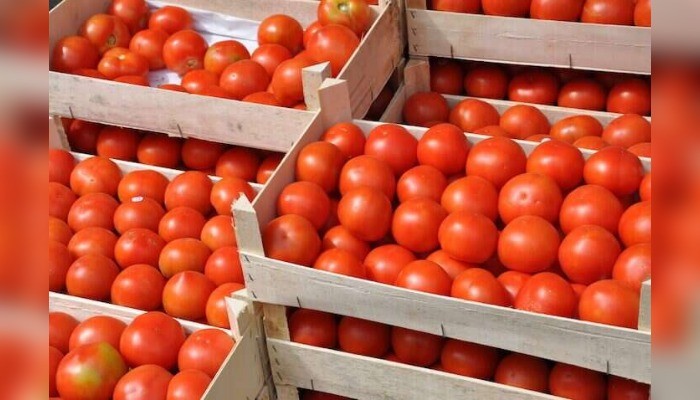
The decision is expected to hit Ghana particularly hard. Markets across the country especially major trading centres such as Techiman depend heavily on tomato imports from Burkina Faso to supplement local production, especially during off-season periods.
For years, cross-border trade has helped stabilise tomato prices in Ghana. But that lifeline has become increasingly fragile due to rising insecurity in parts of the Sahel.
In February 2026, the dangers of the trade were laid bare when seven Ghanaian tomato traders were killed and several others injured in an ambush by armed militants near the northern Burkinabè town of Titao. The victims were on a routine business trip at the time of the attack. The Ghana Armed Forces later evacuated the injured to Accra, while authorities warned citizens to avoid travel to high-risk areas.
With exports now officially suspended, market analysts fear that tomato shortages could worsen in the coming weeks. For many Ghanaian households already struggling with rising food costs, the move could translate into significantly higher prices for one of the country’s most essential cooking ingredients.