

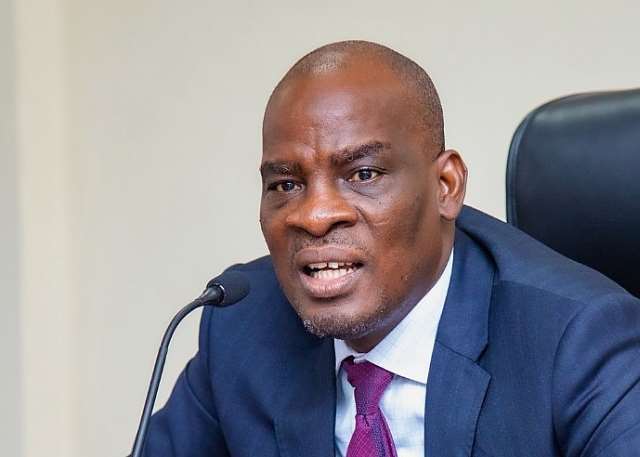
Residents of Tamale are grappling with a worsening water crisis, as taps continue to run dry across the metropolis, disrupting daily life and raising serious health concerns. The Member of Parliament for Tamale South and Minister for Education, Hon. Haruna Iddrisu, has described the situation as a pressing and deeply troubling challenge for both local leadership and affected communities.
Speaking on the issue, the Minister did not downplay the severity of the crisis. He admitted that the shortage of potable water has become a constant source of concern for authorities. According to him, the inability of residents to access clean drinking water has created anxiety among leaders, many of whom are struggling to find immediate solutions.
The crisis, he explained, is largely rooted in outdated infrastructure that has failed to keep up with Tamale’s rapid population growth. The main water treatment facility at Dalun, constructed in the early 1970s, is now operating far below its intended capacity, with much of its system no longer functioning efficiently.
Over the years, the city’s population has expanded significantly without corresponding investment in water infrastructure. This imbalance between supply and demand has gradually worsened, pushing the system to the brink and leaving many communities without reliable access to water.
What was once an infrastructure challenge has now evolved into a humanitarian concern. In many parts of Tamale, residents go for days without running water, forcing households to rely on alternative sources that are often unsafe. This has heightened the risk of waterborne diseases, drawing concern from both health officials and community leaders.
The impact is being felt across all aspects of life. Students are missing classes in search of water, while families are spending more on water as prices for basic containers continue to rise. Even religious practices have been affected, as limited access to water makes routine observances difficult.
In the short term, the government is rolling out measures to ease the burden. Hon. Iddrisu revealed that efforts are underway to rehabilitate and desilt dams in surrounding communities to improve access to water, particularly in rural areas.
However, authorities acknowledge that these are only temporary solutions. Long-term plans are being considered to address the root of the crisis. Central to these plans is the proposed Tamale-Damongo-Yendi Water Project, a major initiative expected to significantly boost water supply across the northern region.
The project, estimated to cost around $300 million, is expected to receive support from international partners, including the European Union. Still, its implementation depends on financial approvals and borrowing constraints tied to Ghana’s ongoing IMF programme.
Beyond this, government also intends to rehabilitate the ageing Dalun treatment plant and expand existing infrastructure to meet growing demand.
Despite the scale of the challenge, Hon. Iddrisu remains optimistic. He assured residents that the government is fully aware of the crisis and committed to resolving it, stressing that restoring reliable access to water in Tamale remains a top priority.