


Although it takes many different forms, fasting is strongly encouraged and supported in religious settings. Accordingly, fasting was a common practice among all messengers and prophets of God as a spiritual devotion to their Creator.
King David (AS) said, “I humbled myself with fasting” (Psalm 35:13, New King James Version; see Ezra 8:21). Elijah (AS) fasted while escaping Jezebel (1 Kings 19:4-8). Moses (AS) fasted before receiving the Commandments (Deuteronomy 9:9-18), Jesus/Isa (AS) fasted before temptation by Satan (Matthew 4:1-2), and Lent, 40 days of fasting, is currently being observed among the Christian faith across the globe.
In Islam, fasting during the month of Ramadan is the Fourth of the Five Pillars of the Muslim faith. Qur’an chapter 2:183 states, “O believers! Fasting is prescribed for you, as it was for those before you, so perhaps you will become mindful of Allah.”
Ramadan arrives not as a burden, but as a whisper to the soul, a gentle call to return, to rise, to remember who we truly are beneath the noise of the world. It comes like a sacred pause, slowing time so hearts can breathe again and spirits can find their way back home.
It is not hunger that defines Ramadan, but awakening. The empty stomach becomes a vessel filled with awareness; every hunger and pain a reminder that we are more than flesh and desire. As the body weakens, the soul strengthens. As the world quiets, the heart begins to speak.
The dawn carries intention, the sunset carries gratitude, and between them lies a journey of unseen transformation. In the stillness of fasting, distractions fall away like leaves in autumn, revealing the raw sincerity of worship. Tears fall more easily, prayers linger longer, and hope feels closer than ever before.
“The month of Ramadhan is that month in which was revealed the Qur’an, a guidance for the people and clear proofs of guidance and criterion.” (Surah Al-Baqarah2:185). As such, the nights of Ramadan are alive with longing, whispered duas (supplications) rising like stars into the sky, Qur’anic verses flowing like rivers through weary hearts.
In the silence before dawn, believers stand alone yet never alone, in sujuud alone, yet never alone, and on their knees, searching for forgiveness, reaching for mercy, yearning for closeness to the One who knows every hidden struggle.
Ramadan teaches us to see differently. To feel the hunger of the forgotten. To hear the silent cries of the needy. To give not from abundance but from love. It reminds us that true wealth lies not in what we hold but in what we release.
And within this sacred month, something extraordinary happens: hearts soften, egos bend, and souls begin to heal. Anger loses its grip. Pride melts away. The weight we have carried quietly begins to lift. Ramadan becomes a mirror reflecting who we are, and who we are capable of becoming.
It is a ladder of light placed before us, inviting us to climb higher than yesterday’s self. Every fast, every prayer, every act of kindness becomes a step upward, toward mercy, toward peace, toward Allah.
When Ramadan ends, it leaves behind more than memories. It leaves a changed heart, a softened spirit, a believer who has tasted elevation. Because Ramadan was never only about abstaining, it was about ascending.
May this fasting increase our sense of humility and duty to the poor and to our Creator. May we succeed both in this world and the hereafter. Ramadan Mubarak! Happy Lent!
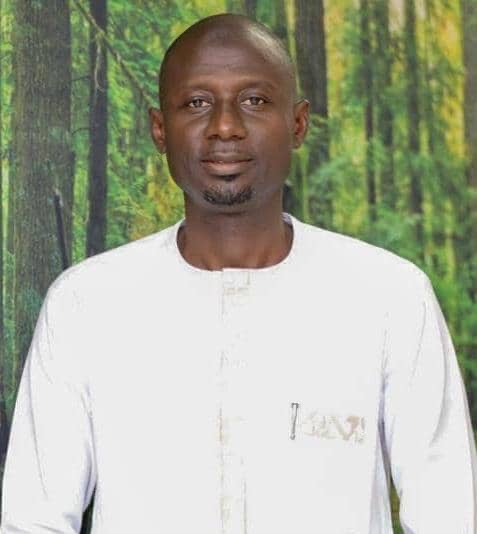
Writer: Mohammed Ali