


Deliberations at the ongoing 128th Monetary Policy Committee (MPC) meeting of the Bank of Ghana are focused on four key policy areas as the central bank seeks to consolidate recent macroeconomic gains.
First on the agenda is the pace and sequencing of future policy adjustments. The Committee is assessing whether any monetary easing should be implemented gradually, with deliberate pauses to reassess evolving economic conditions, and how such decisions can be clearly communicated to the market to avoid misinterpretation.
Foreign exchange stability is the second major consideration. Opening the meeting, Governor of the Bank of Ghana, Dr Johnson Asiama, noted that the cedi remained remarkably stable throughout 2025, reflecting improved market confidence and a strengthened external position. He cautioned, however, that while recent exchange rate pressures appear largely seasonal, managing expectations will be crucial to sustaining stability going forward.
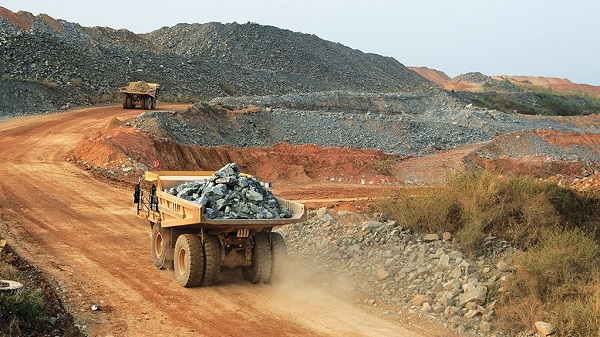
The third issue before the Committee is the Domestic Gold Purchase Programme and its role in supporting macroeconomic stability. Dr Asiama acknowledged that the programme has contributed significantly to the strengthening of external buffers. He stressed, however, that its timing, sustainability and balance sheet implications must be carefully weighed as part of ongoing policy calibration and reserve accumulation efforts.
The final area of focus is external scrutiny and data integrity ahead of the International Monetary Fund (IMF) programme review scheduled for April 2026. According to the Governor, the review will be based on end-December 2025 data, positioning the MPC as one of the first bodies to rigorously assess key indicators central to programme performance. These include inflation trends, reserve accumulation, strict adherence to zero central bank financing, and the transparent recognition of legacy and policy-mandated quasi-fiscal activities.
The 128th MPC meeting, the first of the 2026 fiscal year, comes on the back of markedly improved macroeconomic conditions driven by strong policy outcomes. Inflation declined sharply to 5.4 per cent at the end of 2025, significantly below expectations, while external buffers strengthened further. Gross international reserves rose to over US$13.8 billion, equivalent to 5.7 months of import cover, supported by a current account surplus of 8.1 per cent of GDP.
Economic growth remained robust through the third quarter of 2025, with leading indicators pointing to continued expansion, helping to rebuild confidence among consumers and businesses.
The meeting is expected to conclude on Wednesday, January 28, 2026, with the Bank of Ghana announcing a new monetary policy rate.