


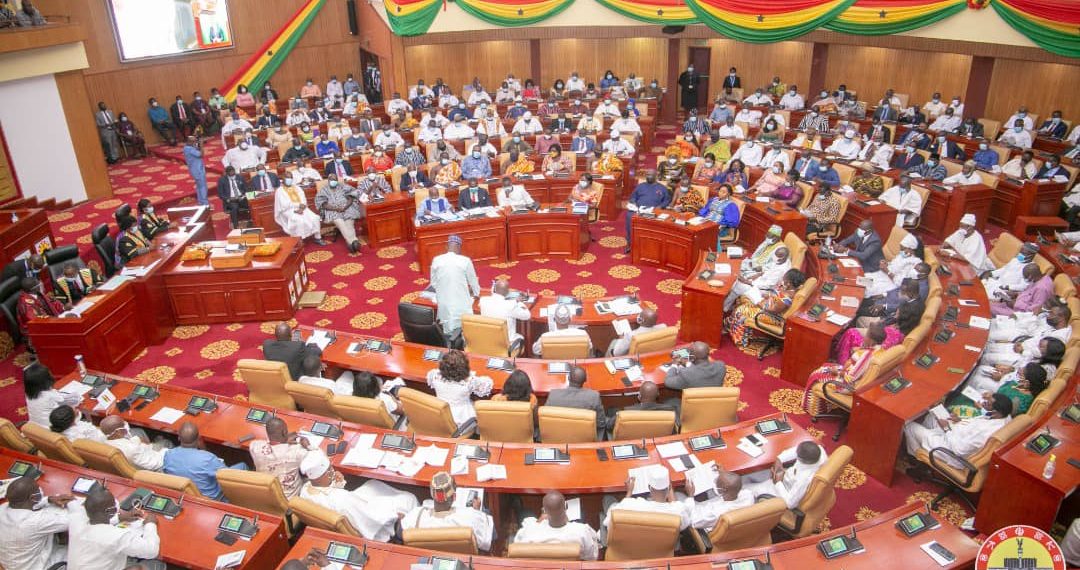
Ghana’s Parliament has approved a sweeping reform of the country’s legal education system, breaking the long-standing dominance of the Ghana School of Law as the sole institution responsible for professional legal training.
The Legal Education Reform Bill, now awaiting presidential assent, introduces a new structure that allows accredited universities to offer practical law training a major shift aimed at widening opportunities for thousands of law graduates who previously faced limited admission slots.
Central to the reform is the creation of a Council for Legal Education and Training, which will oversee standards, accredit institutions, and harmonize legal training across the country. Under the new system, universities approved by the Council will run the Law Practice Training Course, preparing students to sit for a National Bar Examination before qualifying as lawyers.
For many observers, the reform marks a decisive attempt to dismantle barriers that have long restricted entry into the legal profession.
Majority Leader Mahama Ayariga, addressing Parliament during the debate, framed the Bill as the fulfillment of a political pledge to improve fairness and access.
“We promised law students that if they vote for us, we will carry out reforms that will ensure equity, fairness and access to legal education.”
The Ghana School of Law has for decades been the only pathway to becoming a lawyer in the country, a situation critics say created intense competition and left many qualified graduates stranded despite holding law degrees.
Although the Bill enjoyed broad support, Minority Leader Alexander Afenyo-Markin used the moment to question the government’s overall performance, arguing that other promises remain unfulfilled.
“This is not a bill that is identified with a particular party however, they equally promised that they were going to set up a bank for women, we have not seen the Women Bank.”
His remarks highlighted the political tensions surrounding the reform, even as lawmakers acknowledged the need for change.
If enacted, the new law is expected to transform legal education in Ghana by decentralizing professional training, increasing the number of trained lawyers, and making the journey to the Bar more attainable for students across the country