

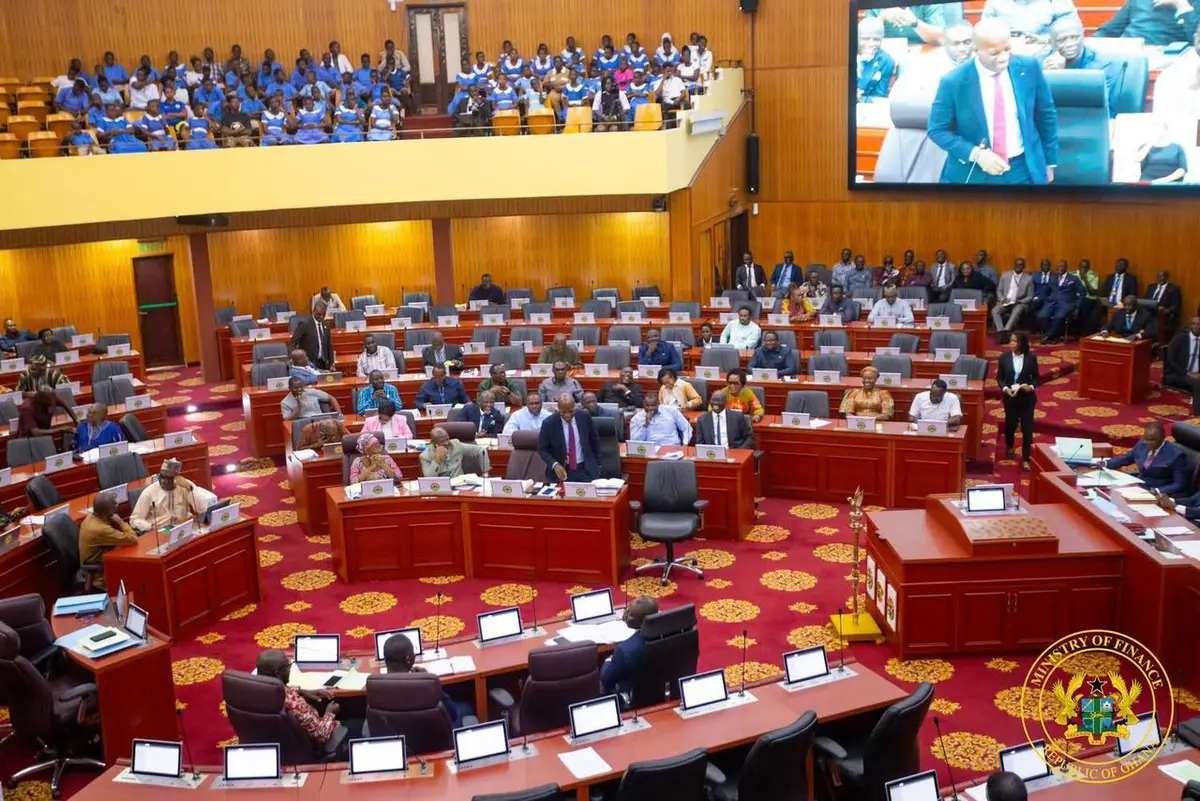
Parliament has formally concluded deliberations on the 2026 State of the Nation Address (SONA) delivered by President John Dramani Mahama on February 27, bringing to an end nearly two weeks of discussions on the government’s policy direction for the year.
The debate wrapped up on Wednesday, March 11, after final submissions from leaders of both the Majority and Minority caucuses. In a statement shared on its official Facebook page, Parliament confirmed that the closing session featured strong arguments from both sides on the administration’s priorities and performance.
Minority Leader Alexander Afenyo-Markin used the opportunity to criticise several government decisions, most notably the planned acquisition of a presidential jet. He argued that such an expenditure was difficult to justify at a time when numerous hospital projects across the country remain stalled and incomplete. He also questioned the government’s commitment to tackling youth unemployment, pointing out that many young people were unable to participate in recent security service recruitment exercises because they lacked reliable internet access to complete online applications.
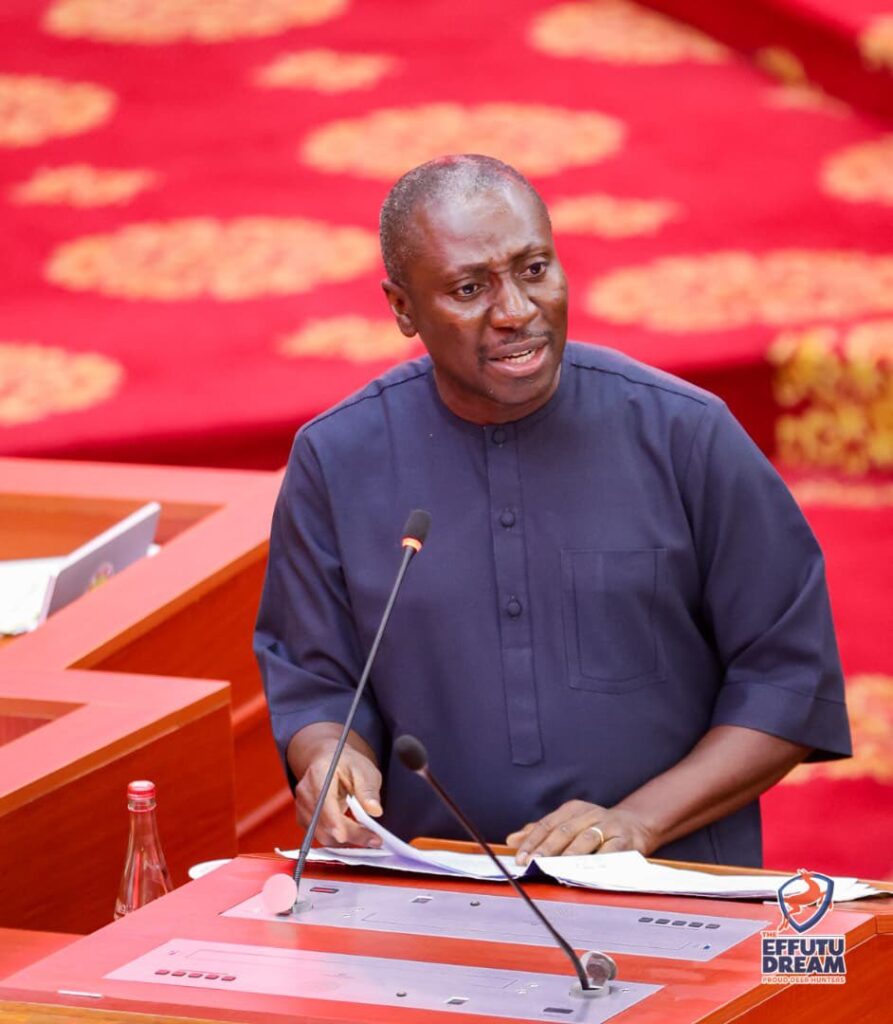
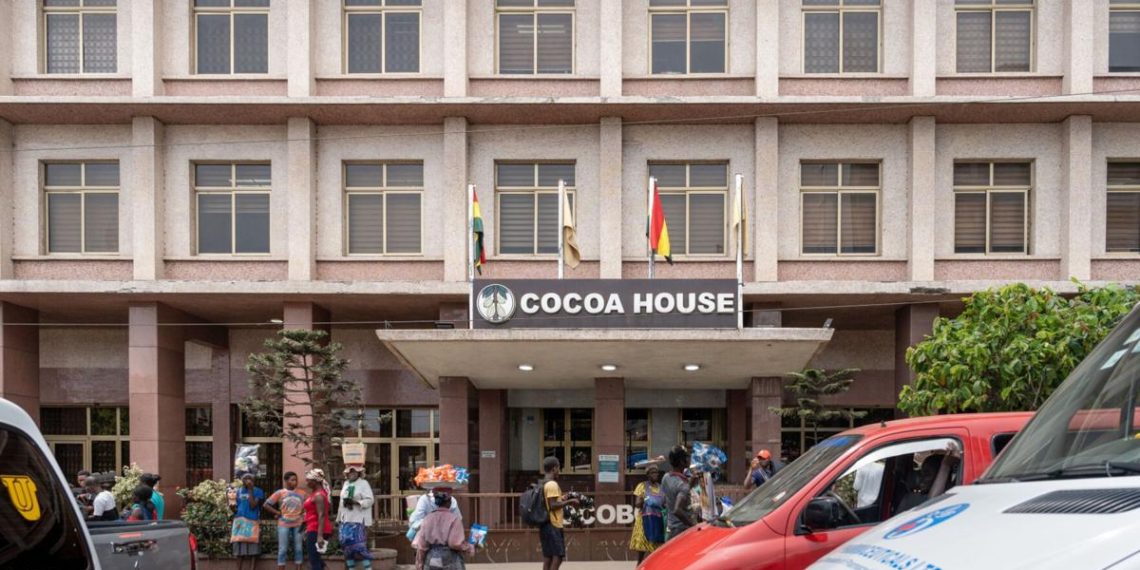
On the agricultural front, Hon Afenyo-Markin raised concerns about the reduction in the cocoa producer price, warning that the move could deepen economic hardship for cocoa farmers already struggling with rising living costs.
Responding on behalf of the government, Majority Leader Mahama Ayariga rejected the criticism and defended the administration’s policies. He insisted that cocoa producer prices under the current government have reached historic highs and are part of a broader strategy to improve the welfare of farmers.
According to him, global market trends are now translating into better earnings for local producers. He noted that when the world pays more for chocolate, farmers in cocoa-growing communities such as Sefwi, Enchi, and Tepa should see tangible benefits. Hon Ayariga added that these measures are tied to a larger vision of restoring pride in Ghanaian agriculture while driving local industrialisation and promoting “Made in Ghana” products on the international stage.
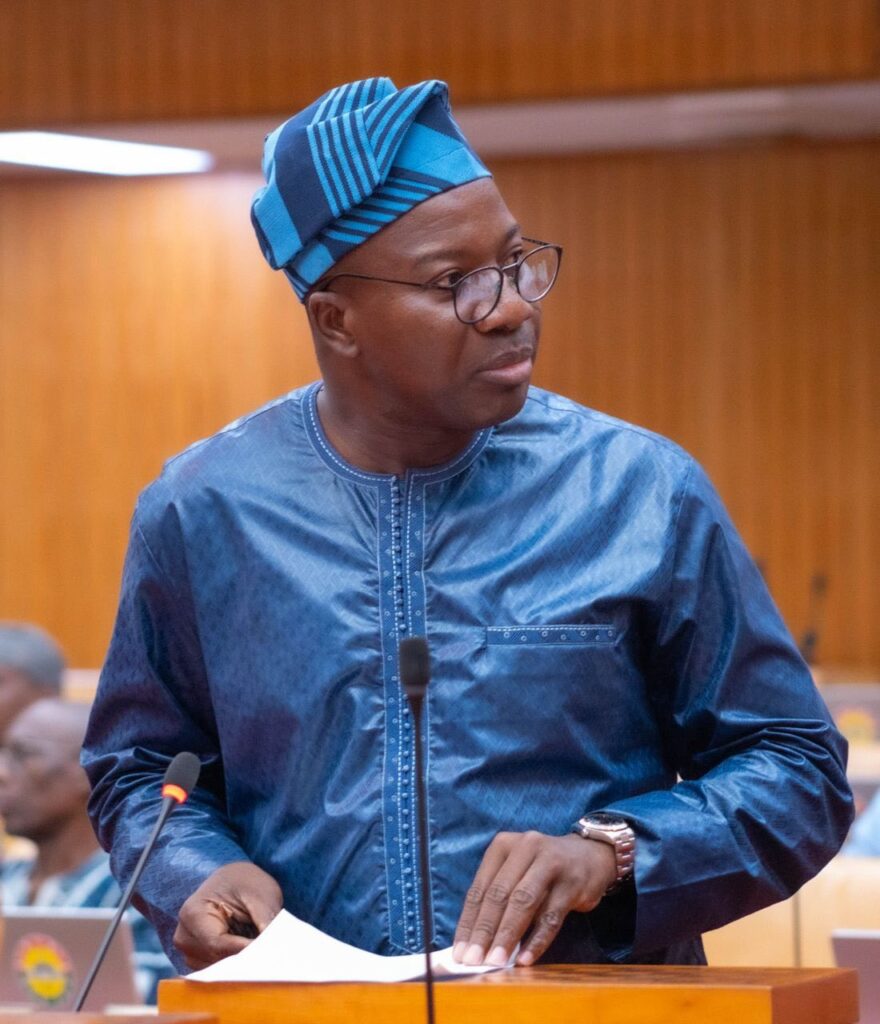
The debate concluded with Parliament adopting the motion on the SONA, signalling institutional backing for the President’s outlined agenda for 2026. The motion was moved by Bolgatanga Central MP Isaac Adongo and seconded by Assin South MP John Ntim Fordjour, a development widely interpreted as a sign of cross-party cooperation on key national priorities.
With the adoption complete, attention is expected to shift toward the implementation of the policies announced in the address, as Ghanaians look to see how the government’s plans will translate into tangible improvements in the economy and daily life.