

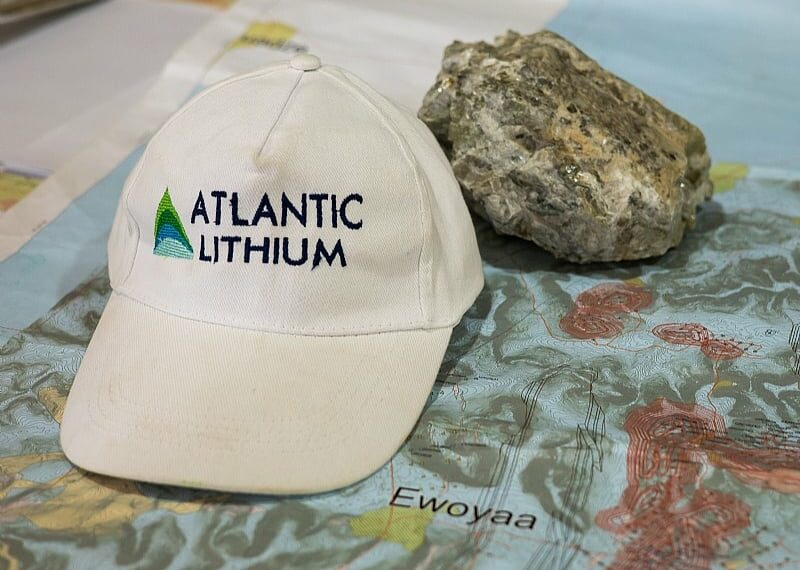
Parliament’s approval of the lithium mining agreement between the Government of Ghana and Barari DV Limited marks a significant turning point in the country’s natural resource development strategy. The deal, which paves the way for commercial exploitation of the Ewoyaa lithium deposit in the Central Region, positions Ghana to enter the rapidly expanding global market for battery minerals a sector driven by the worldwide shift toward electric vehicles and renewable energy storage.
The agreement was approved on Thursday, March 19, despite strong opposition from the Minority Caucus, who argued that their concerns had not been adequately addressed before ratification. Speaking on the floor of Parliament, Lands and Natural Resources Minister Emmanuel Armah-Kofi Buah emphasized that Ghana stands to gain substantially under the new fiscal framework governing the project. Central to the agreement is a sliding-scale royalty system tied to international lithium prices, which he said would ensure higher state revenues during periods of strong global demand. According to the Minister, Ghana is currently expected to receive royalties of about 12 percent under the prevailing market conditions.
The Ewoyaa project is widely regarded as one of the most important hard-rock lithium discoveries in West Africa and is expected to become Ghana’s first lithium-producing mine. For decades, the country’s mineral economy has been dominated by gold. The development of lithium resources therefore represents a strategic diversification into critical minerals essential for modern technology. Lithium is a core component of rechargeable batteries used in electric vehicles, smartphones, laptops, and grid-scale energy storage systems, making it one of the most sought-after resources in the global transition to clean energy.
Government projections indicate that the project could generate substantial economic benefits. These include increased fiscal revenues through taxes and royalties, the creation of thousands of direct and indirect jobs, and a boost to foreign exchange earnings. Authorities also anticipate improvements in infrastructure within host communities, as well as new opportunities for local businesses to participate in the supply chain. In addition, provisions in the agreement are intended to promote local participation and support potential downstream activities, such as processing lithium within Ghana rather than exporting it in raw form.
Despite these anticipated gains, the Minority Caucus strongly opposed the agreement. Minority Leader Alexander Afenyo-Markin disclosed that all Minority Members of Parliament present voted against the deal, insisting that the government failed to incorporate their recommendations. The Minority has consistently expressed concerns about revenue-sharing arrangements, environmental safeguards, community compensation, and the long-term value of Ghana’s stake in the project. They argue that without stronger protections and clearer terms, the country risks repeating past experiences in which natural resource exploitation yielded limited benefits for ordinary citizens.
The approval comes amid heightened national debate over the governance of Ghana’s critical mineral resources. Civil society organizations and policy analysts have called for greater transparency, strict regulatory oversight, and equitable distribution of benefits, particularly for communities directly affected by mining operations. Such concerns reflect broader questions about how Ghana can avoid the so-called “resource curse” while maximizing the developmental impact of its mineral wealth.
Government officials, however, maintain that the agreement represents a balanced approach that safeguards national interests while ensuring investor confidence. They argue that the sliding-scale royalty mechanism allows the state to capture greater value when lithium prices rise, without making the project economically unviable during periods of lower prices.
With parliamentary approval now secured, the Ewoyaa lithium project is expected to move into its implementation phase, subject to final regulatory clearances, financing arrangements, and construction timelines. Authorities have assured the public that environmental standards will be rigorously enforced and that continuous engagement with host communities will remain a priority.
Ultimately, the success of the project will depend not only on the richness of the lithium deposit but also on how effectively the agreement is implemented and monitored. As global demand for battery minerals continues to surge, Ghana’s entry into lithium production could become a defining chapter in the country’s economic future one that carries both immense promise and significant responsibility.