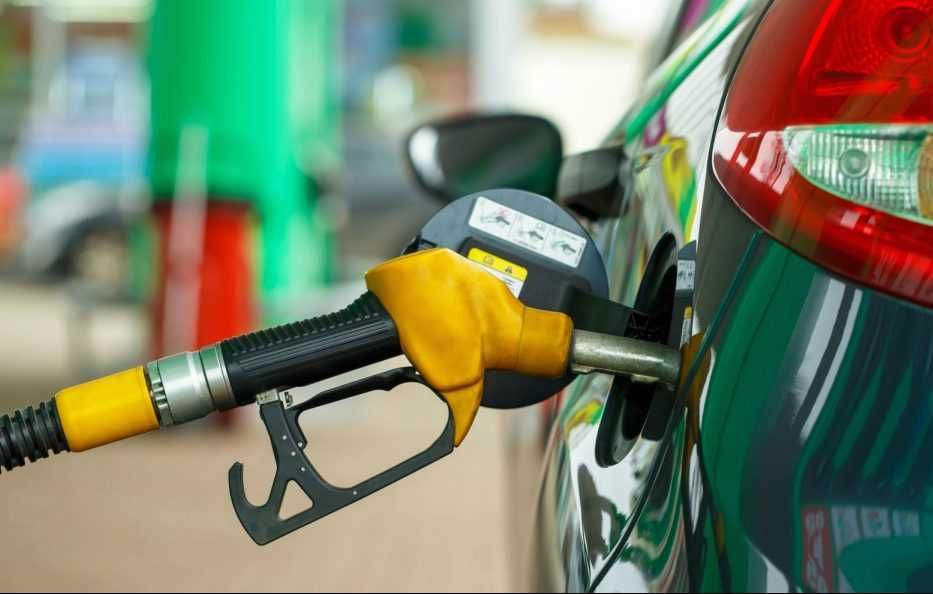

The Minority in Parliament has welcomed the government’s decision to remove selected taxes and levies on petroleum products, describing the move as a timely intervention to ease the burden on Ghanaians amid rising global oil prices.
The directive, which is expected to take effect for an initial four-week period, forms part of measures to cushion citizens against the impact of escalating tensions in the Middle East that continue to affect fuel costs.
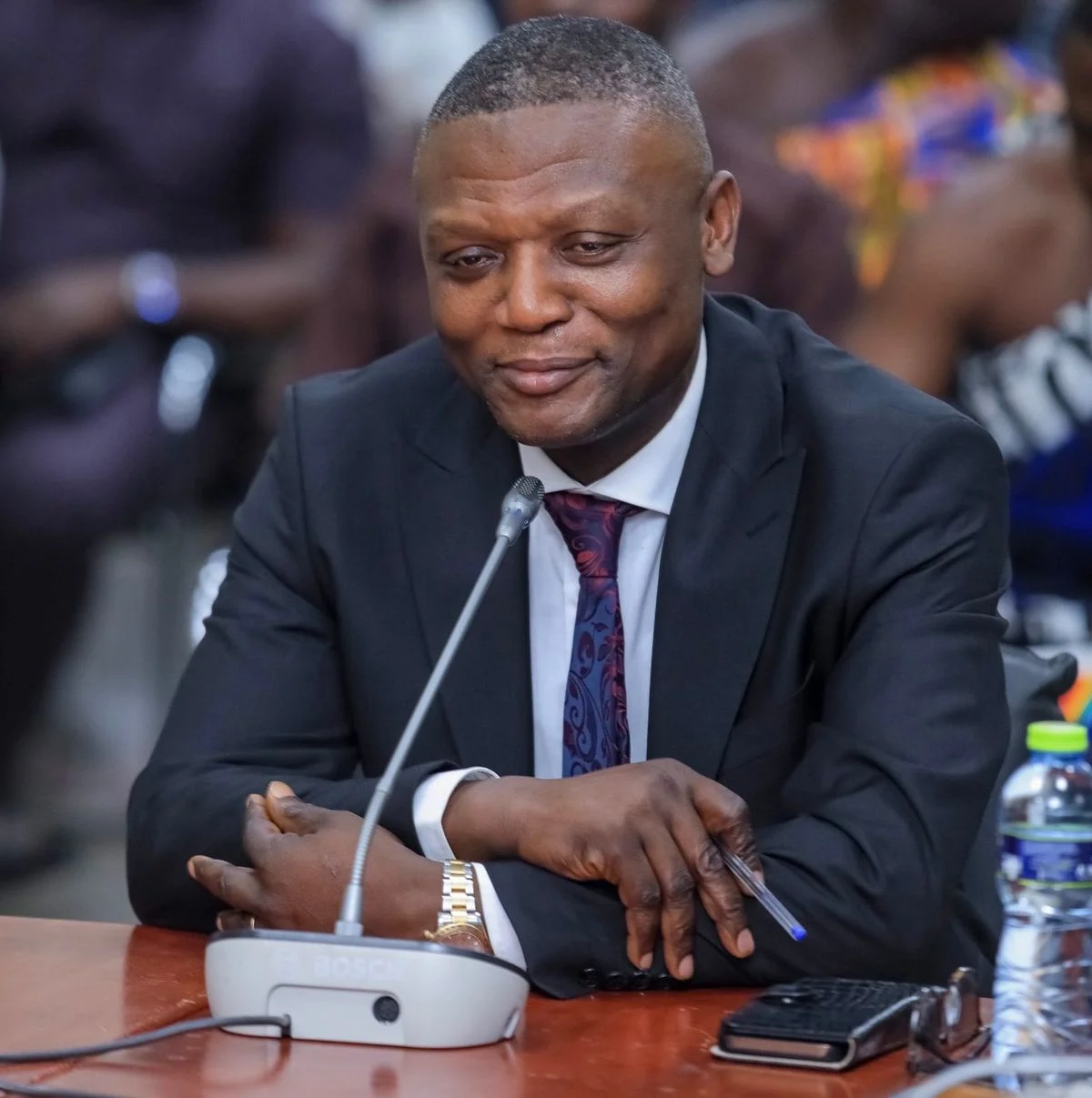
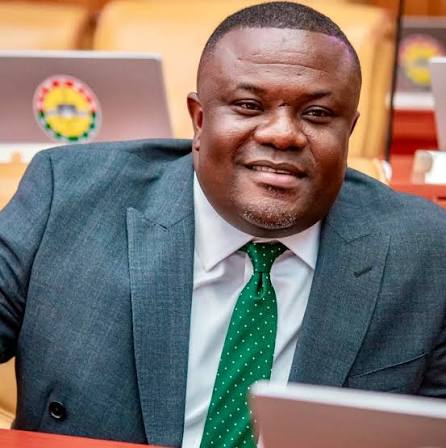
Speaking to Citi News, the Deputy Ranking Member on Parliament’s Energy Committee, Collins Adomako Mensah, acknowledged the government’s effort but noted that key details remain unclear.
“It is welcoming news although we have not been given specific details as to which levies or taxes or margins will be taken off or suspended. The Minority welcomes the attempt by government to cushion the Ghanaian people,” he stated.
While backing the policy direction, the Minority is also raising concerns about accountability, particularly regarding the controversial GH¢1 fuel levy.
According to Adomako Mensah, the government has failed to meet a legal requirement to disclose how much has been generated from the levy and how the funds have been utilized.
“The law stipulated that government was to report to Parliament by the 31st of March as to how much has accrued to the fund from the GHS1 and how it has been used. Up till now that has not been presented to Parliament. We are not too sure how much has come and how it has been used,” he added.
The Minority insists that while immediate relief measures are necessary, transparency and accountability must remain a priority, especially when it comes to public funds tied to fuel pricing.
As the four-week intervention period unfolds, many Ghanaians will be watching closely not only to see if fuel prices drop, but also whether the government will address concerns surrounding the management of the GH¢1 levy.