

Minority Leader in Parliament, Alexander Afenyo-Markin, has accused the government of abandoning the fight against illegal mining, popularly known as galamsey, in favour of pursuing its Gold for Reserves policy.
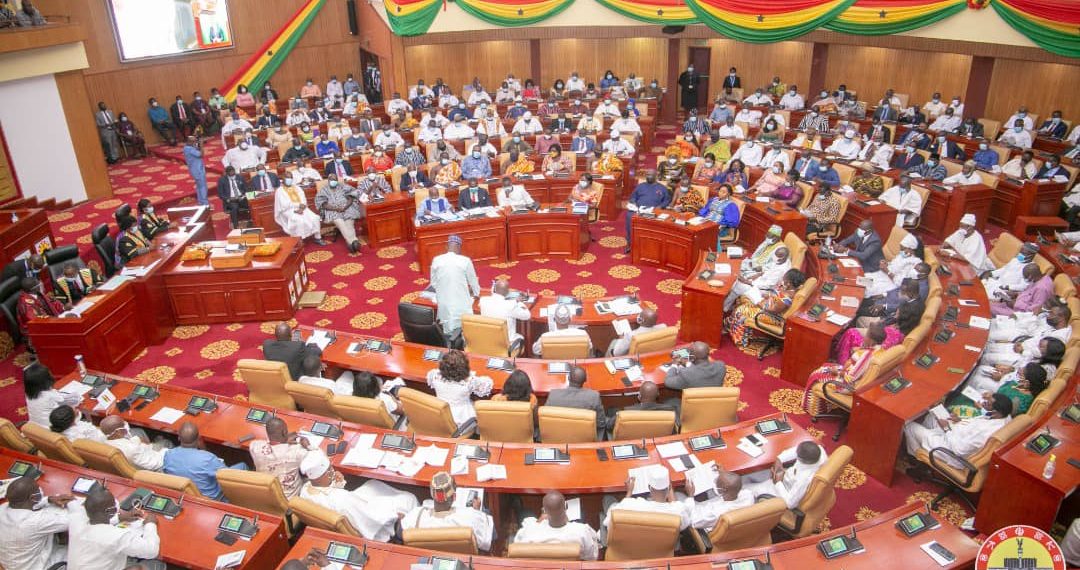
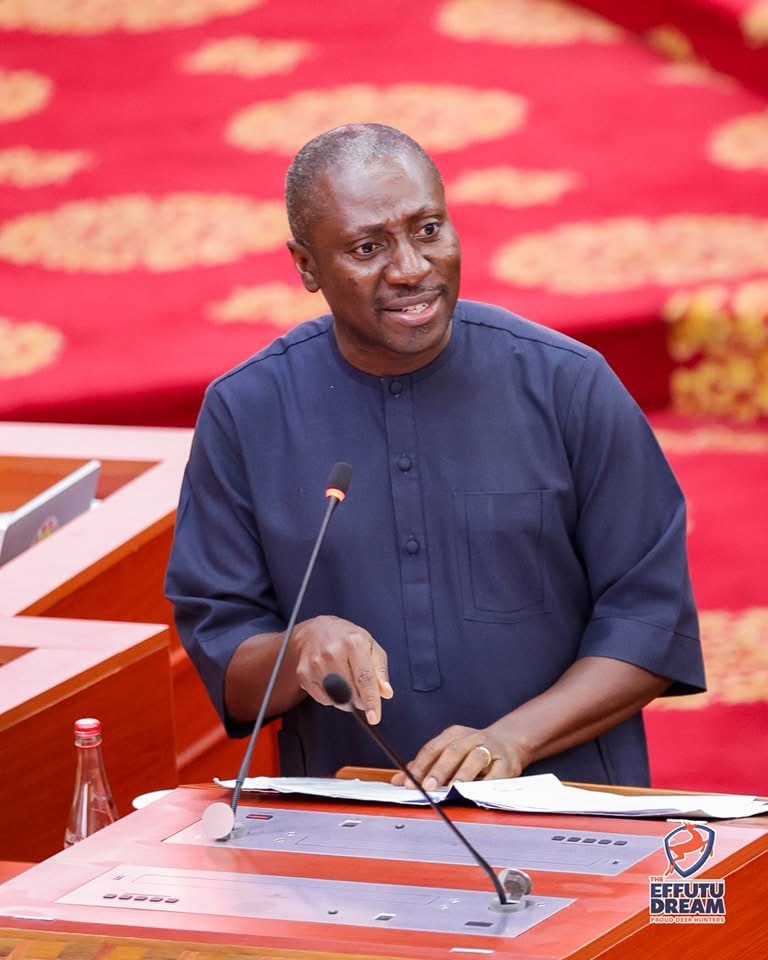
Addressing Parliament on Tuesday, February 3, 2026, Afenyo-Markin alleged that the government has effectively sidelined anti-galamsey operations while presenting a false narrative to the public that it remains committed to protecting the environment.
According to him, the Gold for Reserves policy is a “cynical and desperate agenda” aimed at sourcing gold from illegal mining activities to shore up Ghana’s foreign reserves and stabilise the cedi.
“Galamsey prevention and the fight against galamsey have been abandoned,” the Minority Leader stated. “Illegal mining has been allowed to flourish unchecked, devastating our forests, poisoning our rivers and destroying the livelihoods of our farmers.”
He questioned the government’s motives, arguing that the environmental destruction is being tolerated to feed what he described as a failing financial strategy. “And for what purpose?” he asked. “The evidence suggests a frantic and cynical strategy to source gold from these destructive channels in a bid to prop up the Ghana cedi through this reserve programme.”
Afenyo-Markin warned that the policy amounts to national self-sabotage, insisting that economic gains cannot justify the long-term damage to the country’s natural resources.
“Mr Speaker, we in the Minority state without equivocation that this is a policy of national self-sabotage,” he said. “To the extent that government is not enforcing anti-galamsey laws, the Gold for Reserves policy becomes an endorsement of environmental destruction.”
He further accused the government of “monetising the destruction of our environment and the theft of our future” to sustain what he called a failing financial scheme.
The Gold for Reserves policy is an economic strategy under which the government uses locally mined gold to build its foreign exchange reserves instead of relying mainly on hard currencies such as the US dollar. Under the policy, the central bank acquires gold as part of national reserves, which can then be used to support the currency, pay for imports and strengthen overall financial stability.
Supporters of the policy argue that it helps reduce demand for foreign currency, conserve foreign exchange and stabilise the exchange rate. However, the Minority insists that without a rigorous crackdown on illegal mining, the policy risks legitimising galamsey and worsening environmental degradation.